



Best Interior Wall Cladding Panels 2026: The Definitive Trend & Material Guide
The best interior wall cladding panels for 2026 are defined by a fusion of sustainable bamboo fibers, moisture-resistant WPC, and high-relief "sensory" textures. This year, the global design industry shifts away from flat surfaces toward tactile minimalism that prioritizes acoustic comfort and carbon-neutral manufacturing.
- Select high-durability materials for high-traffic zones.
- Balance acoustic performance with visual aesthetics.
- Evaluate VOC emissions and sustainability ratings.
- Coordinate panel textures with 2026’s warm neutral palettes.
Why 2026 is the Year of "Sensory Surfaces"
In 2026, interior design moves beyond the visual to the tactile. "Sensory Surfaces" represent a shift where wall cladding is used to create emotional depth through texture. We are seeing a move toward Tactile Minimalism, where the complexity of the wall replaces the need for excessive decor.
High-relief profiles, such as deep fluting and reeded patterns, are the standard for luxury interiors. These surfaces interact with light throughout the day, creating shifting shadows that give a room a dynamic feel. This trend is heavily influenced by Biophilic Textures, mimicking organic patterns found in nature to improve occupant well-being.
Common Mistakes to Avoid:
- Overusing high-gloss finishes: Glossy, reflective surfaces are trending "out" for 2026; matte and satin "soft-touch" finishes are preferred.
- Ignoring the light source: Installing deep 3D panels in rooms with exclusively overhead lighting can create harsh, unflattering shadows.
Top 5 Wall Cladding Materials for 2026
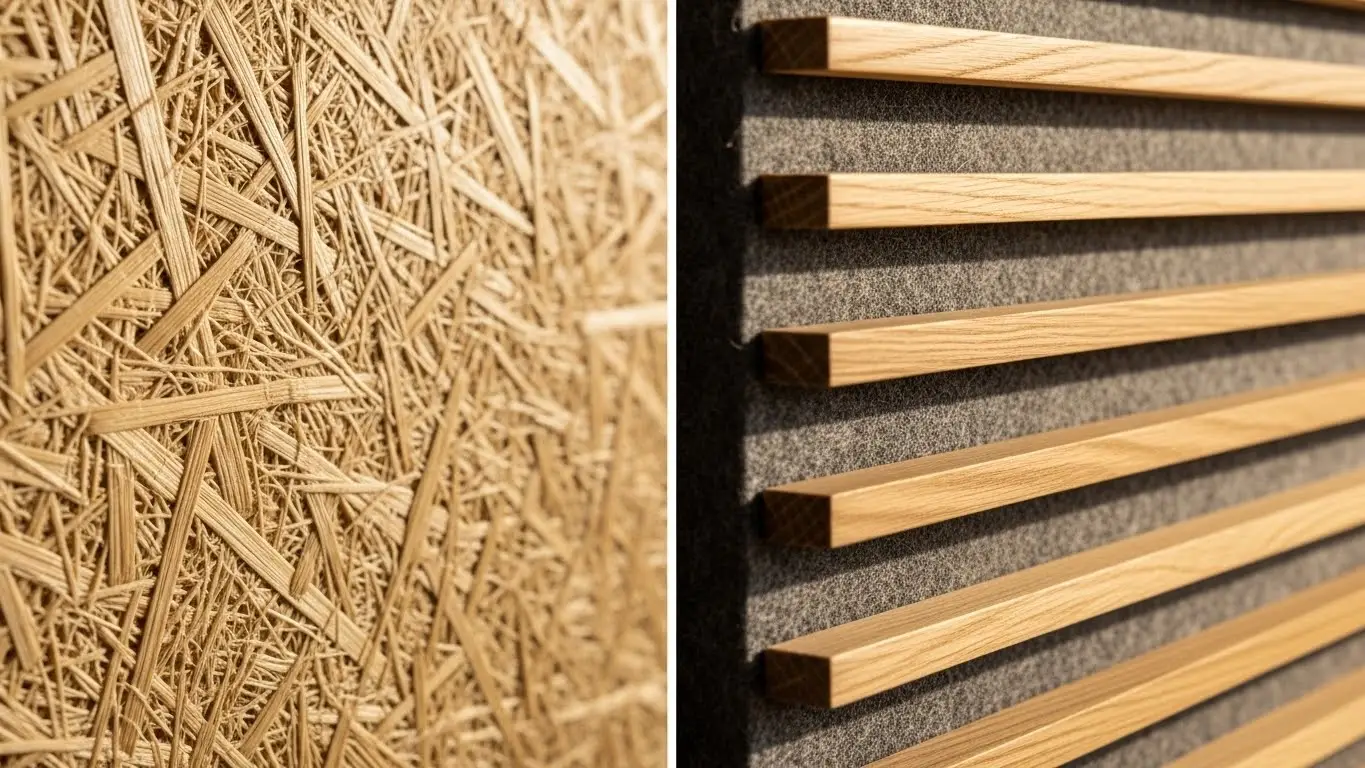
Sustainable Bamboo Fiber Panels (The 2026 Leader)
Bamboo fiber panels have emerged as the premier choice for eco-conscious procurement. As a rapidly renewable resource, bamboo offers a significantly lower carbon footprint than traditional timber or MDF. These panels are prized for being VOC-free (Volatile Organic Compounds), ensuring superior indoor air quality.
Advanced WPC (Wood Plastic Composite) Cladding
WPC panels have evolved to offer hyper-realistic wood grains without the maintenance of real wood. For 2026, advanced WPC variants offer moisture absorption rates of less than 1% (needs verification), making them ideal for high-humidity environments like kitchens or luxury basement lounges.
Acoustic Slat Panels for Home Offices
With the continued rise of the hybrid work model, acoustic slat panels—specifically those featuring recycled felt backing—are essential. These panels reduce sound reverberation while providing the popular "linear" aesthetic that defines modern professional spaces.
Material Science Checklist:
- Durability: WPC and Bamboo offer superior impact resistance over PVC.
- Sustainability: Look for ISO 14001 certification or similar green-building credentials.
- Safety: Ensure panels meet Class B or Class A fire-rating standards depending on local building codes.
2026 Style Trends: From Fluted to Geometric
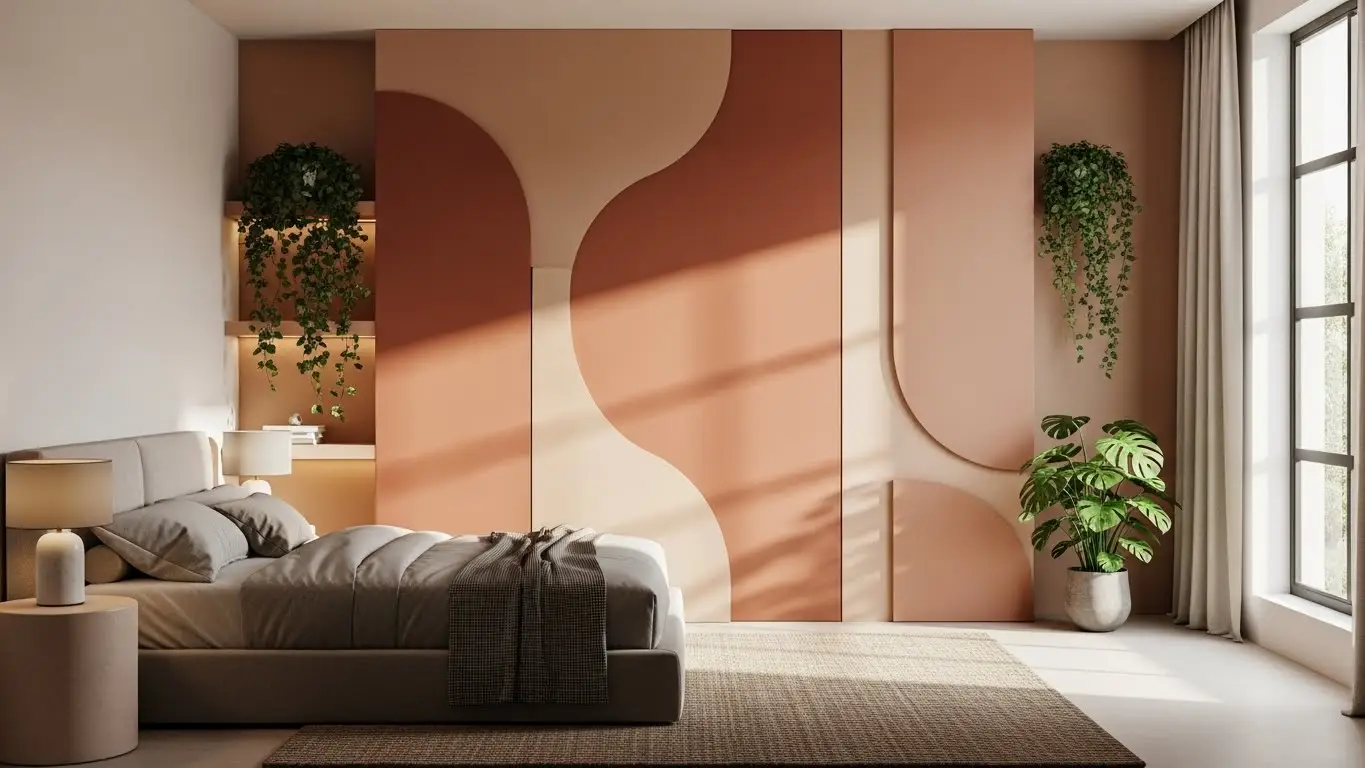
Style in 2026 is dominated by two distinct directions: Micro-Slats and Organic Curves.
Micro-slats provide a refined, architectural look that works well in narrow hallways or as bed headboards. Conversely, organic curves and "pill-shaped" geometric panels are being used to soften the harsh angles of modern minimalist architecture.
The 2026 color palette has moved toward "Earth-Modern" tones. Expect to see heavy use of:
- Espresso Brown: A deep, grounding alternative to black.
- Terracotta and Sand: Warm neutrals that complement bamboo textures.
- Muted Sage: To reinforce the biophilic connection.
Common Mistakes to Avoid:
- Clashing Textures: Pairing highly geometric wall panels with busy, patterned wallpaper often creates visual exhaustion.
- Scale Mismatch: Using large, wide-fluted panels in a small powder room can make the space feel claustrophobic.
Installation & Maintenance: Professional vs. DIY
Modern cladding systems emphasize efficiency. Most 2026 panel series utilize a Tongue-and-Groove or Clip-lock system, which hides fasteners and ensures a seamless finish.
For Professionals: Precision is key. When installing 3D or fluted panels, ensure the first panel is perfectly plumb using a laser level. A 1mm deviation at the start can lead to a noticeable gap after 10 panels. Use high-tack modified silane (MS) polymer adhesives for a permanent, flexible bond.
For DIYers: WPC and PVC panels are generally DIY-friendly because they can be cut with standard woodworking tools. However, bamboo fiber panels may require specialized blades to prevent splintering.
Maintenance Checklist:
- PVC/WPC: Wipe with a damp microfiber cloth and pH-neutral soap.
- Acoustic Felt: Use a vacuum with a brush attachment to remove dust from the recesses between slats.
- Avoid: Harsh chemical solvents or abrasive scouring pads, which can damage the "soft-touch" matte coatings.
FAQ
Are wall panels still in style for 2026?
Yes, wall panels remain a staple of interior design in 2026, though the trend has shifted from flat "feature walls" to full-room tactile textures like fluted WPC and acoustic slats.
What is the most durable wall cladding?
WPC (Wood Plastic Composite) and bamboo fiber panels are considered the most durable options for 2026 due to their high impact resistance and stability in varying temperatures
Can I use WPC panels in the bathroom?
Yes, WPC panels are highly moisture-resistant and are an excellent alternative to tile in bathrooms, provided the edges are properly sealed to prevent water ingress behind the panels.
Are these panels fire-rated?
Most professional-grade cladding panels are treated to meet Class B fire-safety standards, but you must check the specific manufacturer’s technical data sheet for local compliance.
Do I need a professional to install fluted panels?
While many systems are "click-to-lock" and DIY-friendly, professional installation is recommended for large-scale projects or walls requiring complex electrical cutouts to ensure a seamless finish.
How do I clean 3D wall panels?
3D panels should be dusted regularly with a soft brush or vacuum; for deeper cleaning, use a damp cloth with mild detergent, avoiding any abrasive tools that could scratch the finish.
What is the lifespan of bamboo fiber panels?
High-quality bamboo fiber panels are designed to last 15–20 years in residential settings, provided they are kept away from direct, prolonged water saturation.
Are these panels VOC-free?
Most modern bamboo fiber and high-grade WPC panels are manufactured to be low-VOC or VOC-free, significantly improving indoor air quality compared to traditional painted MDF.
Conclusion
The interior wall cladding landscape of 2026 is defined by a commitment to "Sensory Surfaces" and high-performance, sustainable materials. Whether you are specifying bamboo fiber for an eco-certified commercial project or installing acoustic slats in a home office, the focus is on depth, texture, and longevity.


