



Best Wooden Wall Panels for Modern Architecture
Finding the best wooden wall panels for modern architecture means moving past old ideas. We are not talking about the dark, heavy paneling of a 1970s den. Modern wood design is about clean lines, natural texture, minimalism, and acoustic comfort.
A wood wall is one of the most powerful tools for a designer. It can make a cold, sterile room feel warm and intentional. It can solve echo problems in an open-plan space. It can create a stunning focal point that adds real value to your home.
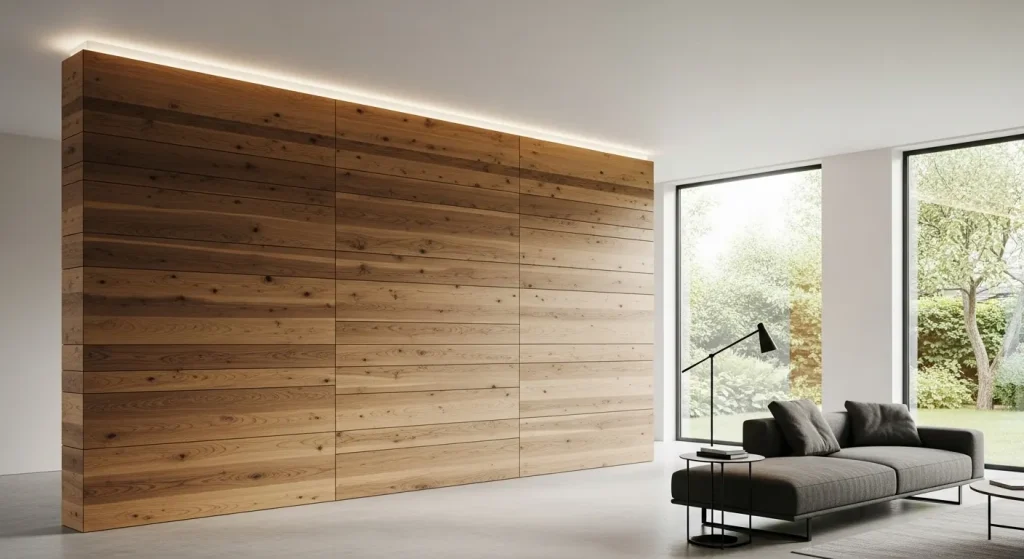
This guide is your complete resource. We will explore the types of panels that define modern design, from acoustic slat walls to sustainable bamboo. We will cover the best materials, design choices, and the expert tips that separate a "DIY" look from a high-end, architectural finish.
What Defines a "Modern" Wooden Wall Panel?
A modern wooden wall panel is defined by its clean, geometric lines, natural texture, and minimalist beauty.2 It focuses on 3D shapes (like slats or flutes) and functional benefits, like sound absorption. It avoids heavy carvings, rustic knots, or glossy, artificial-looking finishes.
Modern paneling is not just a covering; it is an architectural feature. The key principles are:
- Clean Lines: Vertical or horizontal slats are the most popular. This creates a strong, linear, and organized look.
- Natural Texture: The finish is almost always matte or satin. This allows the natural grain of the wood (the "biophilia") to be the star.
- 3D Form: The panels are not flat. The gaps between slats, or the curves of a textured bamboo wall boards, create a dynamic play of light and shadow.
- Acoustic Function: Modern, open-plan homes are often loud and echo-filled.3 The best modern panels (especially those with felt backing) are designed to absorb sound.4
What Are the Best Types of Modern Wooden Wall Panels?
The best modern panels are acoustic slat panels, engineered veneer panels, natural bamboo, and 3D fiber panels. Each offers a different mix of aesthetics, cost, and performance. Your choice will depend on your room's needs and your budget.
Below, we break down these top four categories that are defining modern interiors.
1. Acoustic Wood Slat Panels (The "Japandi" Staple)
Acoustic wood slat panels are a top choice for modern interiors.5 They consist of real wood slats mounted on a thick, sound-absorbing recycled felt backing.6 This design is both visually stunning and highly functional for controlling echo.
These panels are the most popular style for a reason. They are the core element of "Japandi" (Japanese + Scandinavian) design.
- How They Work: The wood slats scatter sound waves, while the PET felt backing (often made from recycled bottles) traps and absorbs them. This is why solid wood acoustic slat panels are a top pick for media rooms, home offices, and living rooms.
- Where to Use Them: They are perfect for a modern wood slat wall design as a media wall behind a TV, as a headboard in a bedroom, or in a home office to improve call quality.
- What to Know: They are most often sold in pre-made, 8-foot-tall panels. This makes installation very fast.
2. Engineered Wood Slat Panels (The Stability Champion)
Engineered wood slat panels offer the 100% real-wood look of solid timber but with superior stability. They use a thin, real-wood "veneer" (like oak or walnut) over a dense, man-made core (like MDF or plywood).
This is a critical distinction from solid timber. A timber vs engineered wood slats comparison often comes down to one thing: stability.
- The Stability Benefit: Solid wood will expand and contract with changes in humidity.7 This is a natural process. An engineered core, on the other hand, is inert. It does not move.
- Anecdote: I have seen projects go wrong. A homeowner once installed beautiful, solid walnut slats in a basement. They did not let the wood acclimatize. When the home's humidity changed, the solid wood expanded and buckled, popping right off the wall. An engineered panel would have been perfectly fine.
- The Trade-off: The only downside is that you cannot refinish an engineered panel. The veneer is too thin to be sanded. A solid timber panel can be sanded and re-stained 20 years from now.
3. Natural Bamboo Panels (The Sustainable Powerhouse)
Natural bamboo panels are a fantastic, eco-friendly, and durable choice. Bamboo is a fast-growing grass, not a tree, and it is often harder and more dense than hardwoods like oak. It offers a clean, fine-grain look that is perfect for modern interiors.
Bamboo wooden wall panels are one of my top recommendations for clients who want a natural material that is also high-performance.
- Sustainability: This is its biggest benefit. Natural bamboo wall cladding is harvested in 3-5 years. A hardwood tree can take 50-100 years.
- Durability: Strand-woven bamboo is one of the hardest "wood" products on the market.8 It is incredibly resistant to dents and scratches.
- The Look: Bamboo's grain is very linear and fine.9 It does not have the large, swirling knots of pine or oak. This gives it a very clean, minimalist, and modern appearance.
- Options: It comes in many forms, from flat panels to textured bamboo wall boards with 3D fluted or reeded designs.
4. 3D Wood Fiber Decorative Panels (The Sculptural Choice)
3D wood fiber panels are a bold, sculptural choice. These panels are not about the wood grain. They are about shape, light, and shadow. They are made from compressed wood fiber decorative panels (like MDF) and come in endless textures: waves, flutes, and geometric patterns.
Their main benefit is that they are paintable. You can paint them the same color as your wall (e.g., matte black, deep green, or even a soft white). This creates a stunning, monochrome, "texture-on-texture" look that is very high-end.
- Where to Use Them: They are perfect for a feature wall in a dining room, an entryway, or behind a bar.10
- The Look: When painted, the wall is no longer about color, but about how the light hits the 3D shapes. It is subtle and dramatic at the same time.
How Do I Choose the Right Wood for a Modern Look?
The best wood species for a modern look are light and airy (like Oak) or dark and moody (like Walnut). The wood's grain and color set the entire tone of the room. Your choice here is critical.
This is the most popular style. It is defined by light woods that make a space feel larger, brighter, and more open.
- White Oak: The king of modern design. It has a beautiful, linear grain and a neutral, warm-light-tan color.
- Maple: A very hard, durable wood with a very fine, light grain.11 It is a very "quiet" and minimalist wood.
- Natural Bamboo (Blonde): As mentioned, this is a perfect choice. It is light, bright, and has a clean, linear look.
The Dark & Moody Look (Mid-Century Modern)
This style uses dark woods to create a rich, high-contrast, and sophisticated feel. It is perfect for a media wall or a home office.
- Walnut: The number one choice for a dark, premium look. It has a rich, deep-brown color with beautiful grain variations.
- Carbonized Bamboo: To get a darker color, bamboo is "carbonized" (or steamed). This gives it a warm, "caramel" or "coffee" color that is very beautiful.
- Black-Stained Oak: You can also get oak panels stained with a matte-black finish. This is very popular for home theaters, as it looks sleek and helps control light.
How Does Installation Impact the Final "Modern" Look?
The installation details are what separate a good wall from a great one. A modern look is all about "clean" transitions. You must plan for corners, edges, and outlets.
How to Get That "Floating Wall" Look
A key "pro" detail is the "shadow gap" or "reveal."
- What It Is: This means stopping your wood panels just before they hit the ceiling, floor, or side walls. You leave a small, 1/2-inch gap.
- What It Does: This tiny gap, often painted black, makes the entire wood wall look like it is "floating" in place. It looks intentional, not like a mistake.
- Experience: This is a high-end architectural detail I specify in my designs. It is much cleaner than just jamming a panel against the ceiling or trying to hide the edge with a bulky piece of trim.
How Do You Handle Outlets and Switches?
This is my number one pet peeve. A beautiful, dark walnut wall can be ruined by a cheap, white plastic outlet cover.
- The Problem: The white "screams" for attention and looks like a thoughtless error.
- The Pro-Tip: This is how I handle it on every job. Do not use the white outlet. Buy a black outlet and a black, screwless cover plate. It will cost you an extra $10. It will blend into the black felt or the shadow of a dark slat. It disappears. This one tiny detail shows true craftsmanship.
Can I Install These Panels Myself?
Yes. Many of these panels, especially the pre-made acoustic panels on felt, are very DIY-friendly. You can learn the basics by reading our full guide on how to install wooden wall panels.
The general process is:
- Acclimatize: Let your wood panels sit in the room for 48-72 hours.
- Cut to Height: Use a fine-toothed saw to cut the panels.13 (Pro-tip: Cut through painter's tape to prevent the wood from splintering).
- Attach: Use a combination of construction adhesive on the back and black screws (or brad nails) through the felt into your wall studs.
What About Maintenance?
Modern wood panels are surprisingly low-maintenance. They are far easier to care for than painted drywall, which scuffs and chips.
- The Process: 99% of the work is dry dusting. Use a vacuum with a soft brush attachment. This is the fastest and best way to clean slat panels.
- The Rules: Never use a wet, sopping cloth. Never use a steam cleaner. Never use harsh, all-purpose sprays. You are cleaning the finish, not the wood.
- We have a complete guide you can read on maintenance tips for bamboo and wooden wall panels that covers all the details.
Are There "Modern" Wood Alternatives for Bathrooms?
Yes. You must not use real wood (solid or engineered) in a high-moisture area like a bathroom. The humidity will cause it to warp, swell, or grow mold.
The modern solution is WPC (Wood-Plastic Composite) slat panels.
- What They Are: WPC is a mix of recycled wood fibers and plastic.16 It is 100% waterproof.
- The Look: They are designed to look just like real wood slat panels, with the slats and the "felt" all made from this composite.
- The Use: This is the only material you should use for a slat-wall look in a shower, behind a vanity, or in a damp basement.
- Our guide on wood vs WPC wall cladding compares these materials in full.
The Final Verdict: What Are the Best Panels for You?
The "best" panel is the one that matches your room's function and your design goals. There is no single right answer, only the right choice for your project.
Here is a simple breakdown to help you decide.
| Panel Type | Best For... | Why Choose It? |
| Acoustic Slat Panels17 | Media walls, home offices, living rooms.18 | Function. The #1 choice for sound absorption. |
| Engineered Slat Panels | DIY projects, basements, kitchens. | Stability. The real-wood look without the risk of warping. |
| Natural Bamboo Panels | Eco-friendly homes, high-traffic areas. | Sustainability. The "green" choice, and harder than oak. |
| 3D Fiber Panels | Bold feature walls, dining rooms. | Customization. Paintable for a high-design, monochrome look. |
| WPC Slat Panels | Bathrooms, basements, showers. | Waterproofing. The only choice for wet areas. |
By choosing one of these, you are not just covering a wall. You are adding a permanent, high-value architectural feature. You are choosing one of the best wooden wall panels available, and you will be able to enjoy the warmth, texture, and quiet it brings to your home for years to come.


