



Eco-Friendly Wall Panels Explained: From Source to Site
Eco-Friendly Wall Panels are changing how we think about walls, not just how they look. Instead of using heavy, resource-hungry materials, these panels combine recycled content, smart composites, and low-VOC finishes in one simple system. They can protect a façade, upgrade an office interior, or refresh an old corridor with less waste and fewer emissions. At the same time, Eco-Friendly Wall Panels still need to be strong, safe, and easy to install. How do they really work, from raw materials to final installation on site? That's what we'll unpack step by step.
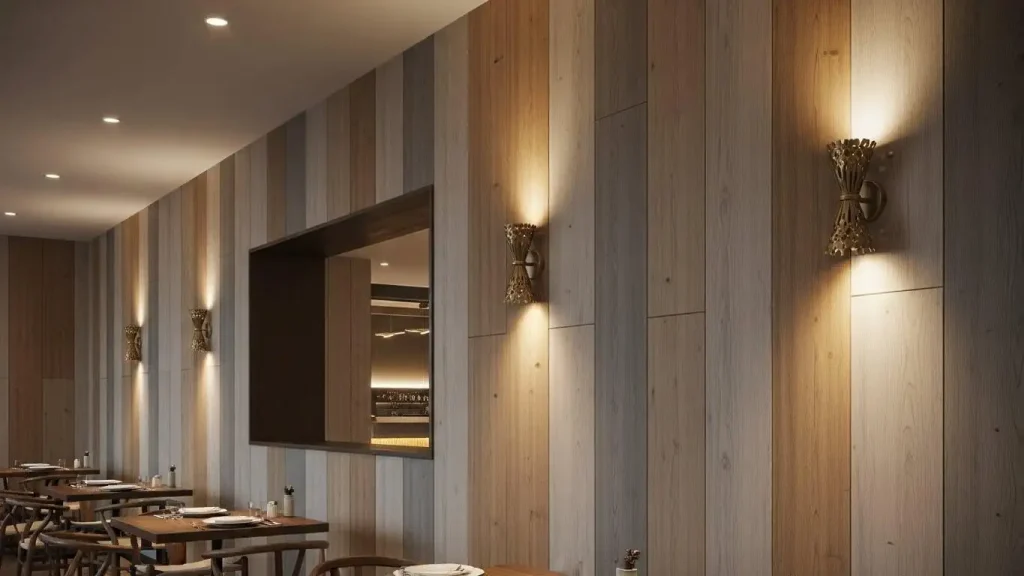
From Raw Materials to Reliable Eco-Friendly Wall Panels
When we design Eco-Friendly Wall Panels at Hengsu, we always start with the core. A product cannot be "green" if it still relies heavily on virgin timber or high-emission binders. That is why our cladding and interior wall systems are based on recycled PVC, WPC (wood plastic composite), and bamboo fiber composites. In a typical specification, more than 80% of the material content can come from recycled or rapidly renewable sources, which directly helps reduce the project's overall carbon footprint.
Bamboo and recovered wood fibers form the bio-based backbone of the panel. Bamboo grows quickly and can be harvested in short cycles, while recycled wood fibers give a second life to material that might otherwise end up as waste. These fibers are bonded with eco-friendly resins and stabilisers to create a dense, dimensionally stable core. For installers, that means panels that feel solid but remain light enough for one or two people to handle and fix safely on site.
Surface finishes are just as important as the substrate. Hengsu Eco-Friendly Wall Panels are available in matte, textured, and natural wood grain options, along with calm earth tones and green hues. These finishes help designers create warm, biophilic spaces without relying on solid timber. Because the coatings are low-VOC and UV-resistant, the panels can be used confidently in interior spaces as well as on facades, balconies, or semi-outdoor corridors where sunlight and changing weather are a daily reality.
What you cannot see inside the panel matters, too. We prioritize formaldehyde-free or ultra-low-emission systems and select fire-retardant solutions that meet Class B1 or equivalent standards without relying on heavy smoke or highly toxic additives. Anti-mold and anti-microbial treatments are chosen with hospitals, schools, and multi-family housing in mind, where indoor air quality is directly linked to occupant wellbeing.
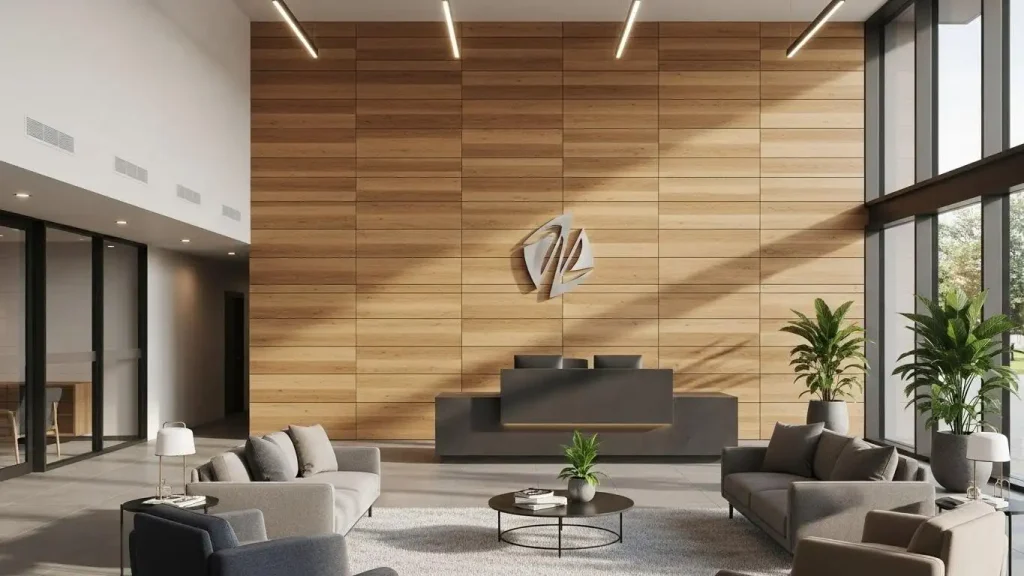
Performance, Comfort, and Compliance on Real Job Sites
For the teams we work with, Eco-Friendly Wall Panels are only interesting if they behave like serious building products. The same three topics come up again and again in design meetings: how do they last, how do they feel, and will they pass local approvals?
From a durability point of view, architects want walls that still look clean and sharp after years of footsteps, trolleys, cleaning routines, and sunlight. The composite core in Hengsu panels offers good impact and scratch resistance, so edges and corners are less likely to chip in busy corridors or lobbies. Moisture resistance is another critical factor. Compared with many traditional wood-based panels, our eco-friendly systems are far less likely to swell, stain, or support mold growth in bathrooms, kitchens, basements, or coastal locations.
Comfort in use is tied to acoustics and thermal behaviour. High-density Eco-Friendly Wall Panels, especially when paired with acoustic backers, can help soften noise in open-plan offices, educational spaces, and hotel corridors. The same dense core contributes to thermal regulation, reducing unwanted heat transfer and helping HVAC systems work more efficiently. On their own, the panels are not a full insulation package, but they are an important part of a layered, energy-conscious envelope.
Regulation and certification are now part of almost every mid- to large-scale project. Eco-Friendly Wall Panels from Hengsu can support green building schemes such as LEED, BREEAM, WELL, or DGNB when they offer:
✅Verified recycled and rapidly renewable content
✅Proven low VOC emissions for healthier indoor air
✅Documented fire performance in line with the building type
Where suitable, we align our documentation with familiar labels such as FSC for responsibly sourced fibers or low-emission programs such as Greenguard-type certifications. For facility managers and developers, this paperwork is not just a marketing add-on; it becomes a tool to manage risk and demonstrate long-term responsibility.
At the same time, we know nobody wants a "worthy but ugly" solution. That is why Hengsu Eco-Friendly Wall Panels are supplied in practical lengths such as 2.4 m for typical room heights and can be cut to fit ceilings, reveals, and built-in furniture. Designers can combine woodgrain, stone-inspired, or solid-color looks to build either calm, timeless backgrounds or strong brand-focused statements.
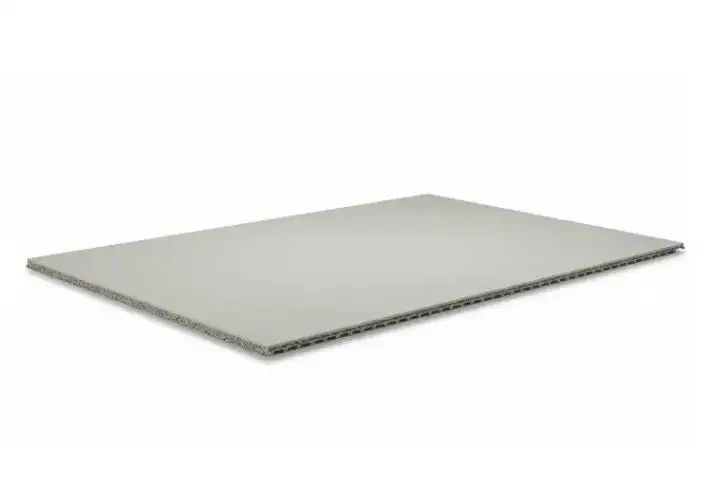
Choosing Eco-Friendly Wall Panels that Actually Work for You
Architects and contractors often tell us that the market for Eco-Friendly Wall Panels feels confusing. Many claims sound similar, and it is hard to know which points really matter on site. Based on our project experience, we recommend evaluating potential systems in three simple dimensions: technical performance, environmental value, and design fit.
✅Technical - Request data sheets that cover fire ratings (for example, Class B1 or equivalent), impact and scratch resistance, moisture performance, and UV stability. Confirm whether the Eco-Friendly Wall Panels can be used indoors, outdoors, or both. Lightweight panels - often around 8 kg/m² - can help reduce installation time and worker fatigue, especially on large façades or high-rise refurbishments.
✅Environmental - Do not stop at a single eco-icon on the brochure. Ask about the real percentage of recycled or bio-based content, the VOC test results, and whether there is a take-back or panel return plan at end of life. At Hengsu, panels can be returned for recycling, which fits circular construction strategies and reduces waste management costs for the owner.
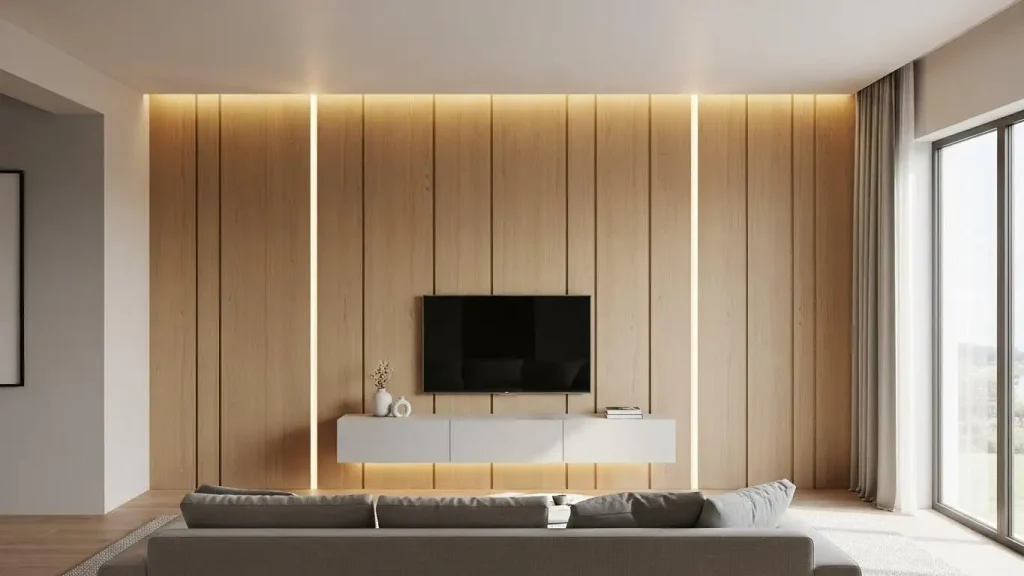
✅Design - Review full-size samples in real project lighting. Eco-Friendly Wall Panels should feel convincing in the hand and look authentic from different viewing distances. Matte and textured wood grains often hide everyday marks better than high gloss, which makes them a sensible choice for schools, hospitals, or family apartments. Neutral earth tones tend to stay "in style" even when furniture or branding changes.
Installation and maintenance are also part of the sustainability equation. Systems that use click-lock or tongue-and-groove joints can reduce offcut waste and shorten install time. Modular layouts make it easier to swap a damaged panel without reworking an entire wall. For cleaning, our recommendation is to stick to mild detergents and avoid aggressive chemicals, which protects both the surface and the indoor environment.
As a manufacturer, Hengsu's task is not just to sell Eco-Friendly Wall Panels but to help project teams move smoothly from concept to site. We provide technical drawings, test reports, and practical detailing advice so that the chosen system matches the project's performance targets, budget, and visual direction.
If you are planning a new façade, transport hub, office fit-out, or residential scheme and need a balance of aesthetics, durability, and measurable sustainability, get in touch with the Hengsu team for a tailored Eco-Friendly Wall Panels proposal. Together we can specify wall systems that look right on day one, feel comfortable in daily use, and support your environmental goals from source to site - and beyond.


