



Contents
HSCS
Fire-Resistant WPC Panels: Connect Performance Claims With Products and Installation Details
FPR WPC panels can attract buyers looking to decorative walls that have a proven fire rating. The problem is that a product description, a material test and a fire-rated wall assembly addresses different questions. It's tempting to view them as interchangeable and choose an inappropriate specification.
The starting point for the interior designer, contractor or project purchaser is the necessary performance for the desired location. After that, tie that element to the particular panel, supporting documents, and installation setup prior to accepting the decorative finish.
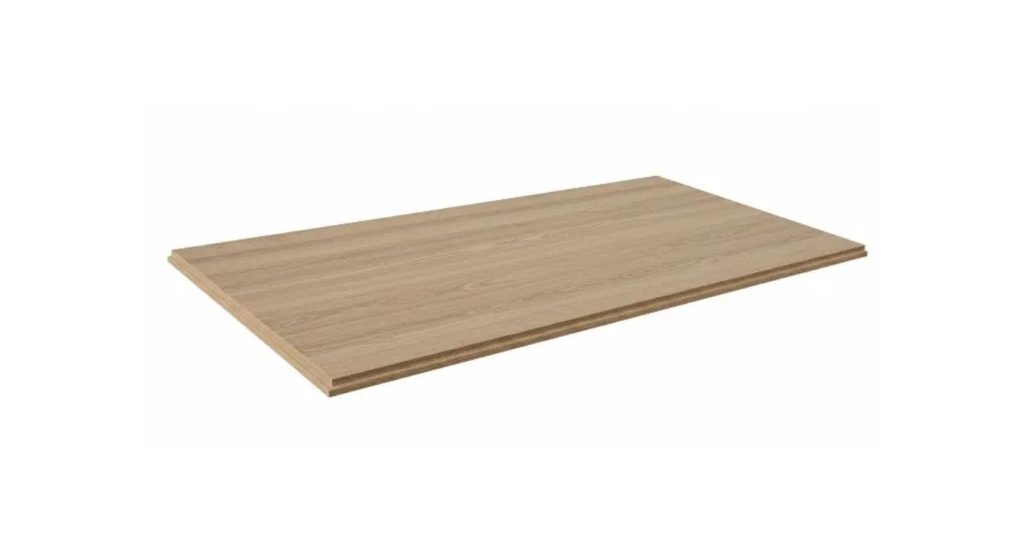
Using the Required Performance, determine the Search Term.
Fire-resistant is used to describe products on a daily basis, as "flame retardant. The reaction to fire is actually a word for the way in which a material or product can contribute to fire under certain conditions. Fire resistance is the ability of a building element or assembly under a specified fire exposure.
It is therefore not possible to establish an hourly rating for a partition based on an interior finish classification. Nor does flame-retardant indicate that a panel is non-combustible or will not burn. Prompt: What is being claimed about the property? What evidence is being offered?
Don't forget to include that distinction in the purchasing specification. State the test or classification and intended use, and don't state a need for fireproof panels without stating the test or classification and intended use.
Find out what is the Product Being Considered from Hengsu
According to Hengsu's product page on WPC wall panels, they claim flame retardancy as a feature of their wall panels. That gives you a motivation to ask for supporting data, and it doesn't necessarily give you a confirmed finish, thickness or installation classification for each.
Verify the Product code, core, dimensions, profile and surface finish. The specification provided shall specify exactly the construction of the decorative product, since the names of WPC and bamboo-fiber are used throughout the Hengsu's website.
Use another profile, or another decorative surface, as a suggested change for consideration. Evidence for a similar product does not necessarily apply to a visually similar product. This is important if there are discrepancies in the names of one panel in samples, quotations and project schedules.
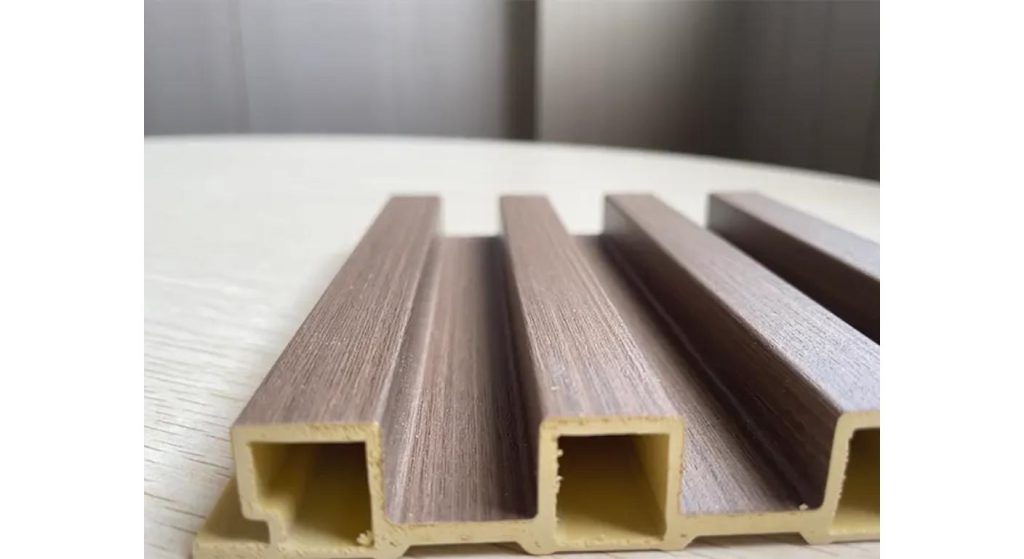
When selecting a finish, first determine the requirement, then choose the finish.
Inform the supplier of the location (country), building type, room function and wall or ceiling application of the panel. The finish of a private room should not be automatically carried over to another room (such as a corridor) where different finishes are desired.
Locate the responsible designer or fire specialist of the project, who will be able to determine the performance requirement that applies. Let the supplier know, before asking for a similar product and report. This will minimise the risk of approving a representative sample and lack of adequate documentation.
The Hengsu interior panel range can provide design options, and design choice and technical acceptance shall be connected with each other. Have several possible finishes on hand until the project team determines what documented product may be used.
Read Through the Report Beyond its Cover Page
Ask for the complete test or classification documents and appendices, and any limits of scope indicated. Look at the issuing organization, report number, test method, specimen description and reported result. Verify authenticity of documents and ensure that they match the supplier's proposed product.
Hengsu's certification page collects the company and product documents, such as formaldehyde document, quality inspection report, etc. These can be helpful questions about purchasing, however, an emissions report does not constitute fire performance. Ask for the fire certificate and do not accept all certificates as being equivalent.
Inquire about the significance of the classification according to the system named. Avoid converting letter grades to other countries' grades based on just the letters. If a test method covers smoke or other properties, also check the smoke or other properties against the project requirement.
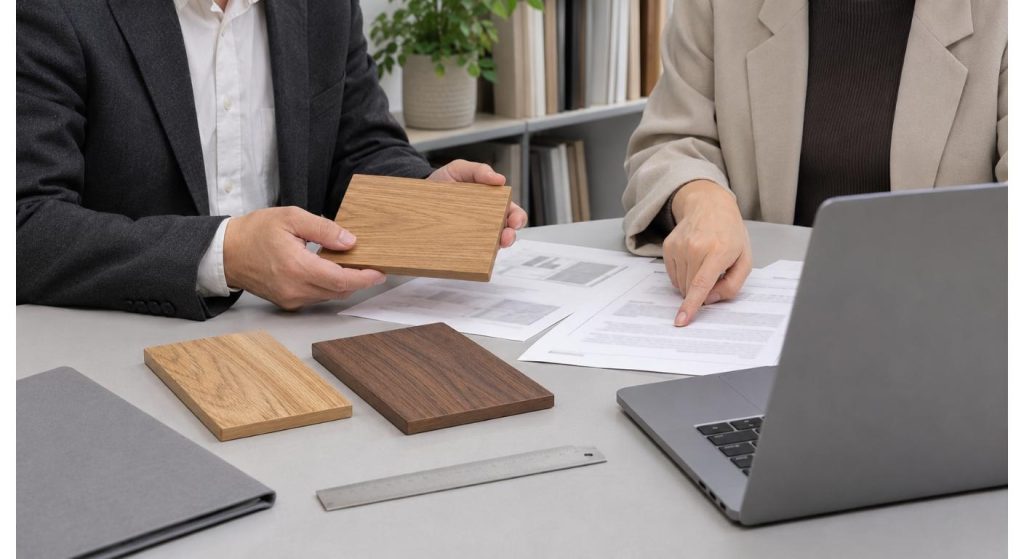
Look at the Tested Panel to see what was behind it.
The arrangement tested is in addition to the panel. Search for the documentations referring to the substrate, mounting method, orientation, joints, air gap and any backing. Inquire about the relationship between the proposed installation for the site and that arrangement.
Where applicable to the evidence, adhesives, battens and insulation and trims should be identified. Replacing a fixing technique or installing an acoustic lining could alter the assembly under consideration. Have the proposed construction evaluated in writing outside of the scope as stated.
If there is any Hengsu's WPC integrated wall panel in the design, ask for the build-up and installation of the wall panel. The term integrated does not imply that the decorative panel is a substitute for a mandatory fire resistant wall/protective lining.
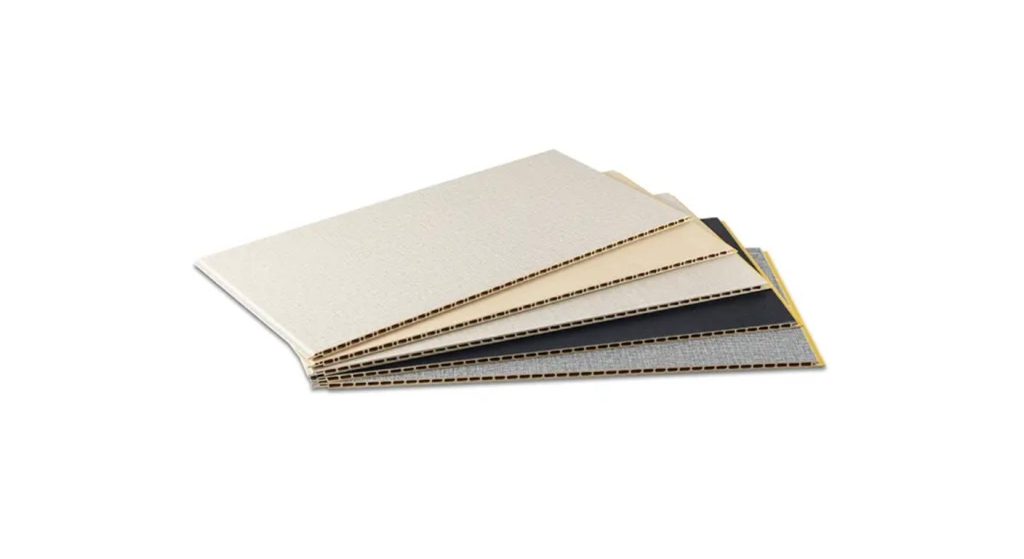
Maintain Openings and changes to the Approved Design.
Plan for locations of outlets, lighting, access panels, corners, and transitions prior to installation. The decoration pattern should complement the wall decoration pattern and not mask any information needing to be viewed or maintained.
Determine which penetrations and connections are part of the wall assembly and which are just part of the decorative finish. If a fire-rated construction is involved, have the responsible designer clear these up. Avoid just banging together a complete solution, based on a brochure from a panel.
Note modifications of the approved arrangement. Any other adhesive, surface coating, backing or profile should go back to the review process before use. Small visual changes may be different materials and yet the wall that is realised may be virtually the same.
Maintain the Connection between Approval and Delivery
After acceptance of a product keep the approved sample, specification, report references and installation information in one place. Check how the packaging and delivery records pinpoint the identity of the supplied panels in order to check against the approved selection by the site team.
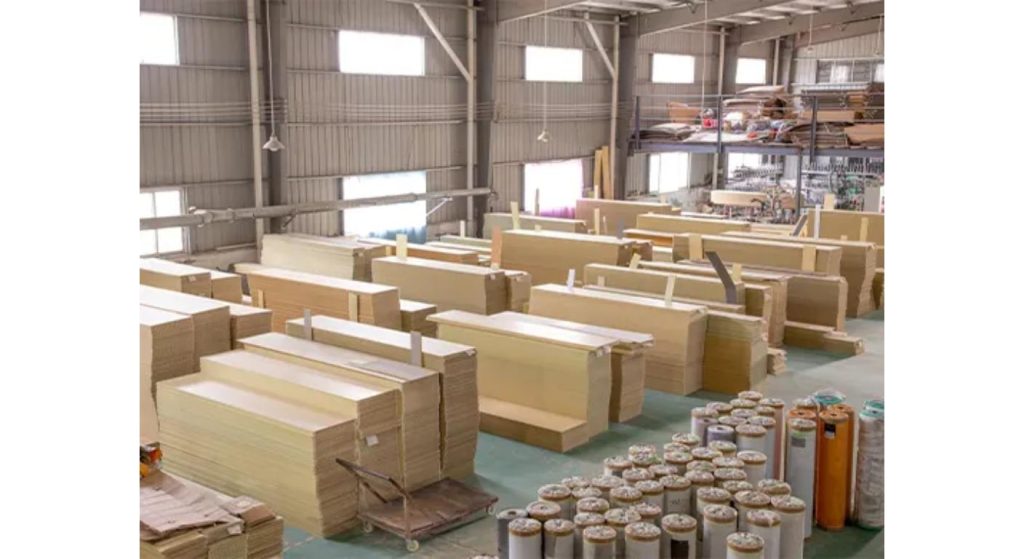
Inspect received materials prior to blending them into stock or installing them. Verify identifiers, dimensions, finish and visible condition and clear up discrepancies with the supplier. Appearance checks do not provide a guarantee of fire performance alone but are used to help maintain consistency.
Maintain installation records commensurate with the job. Photographs of hidden layers and notes of product changes may be helpful in determining what was installed. Provide the appropriate maintenance instructions to avoid the use of coatings or replacement materials in future refurbishments that have not been checked.
| Record | Match required |
| Product schedule | Code, profile, thickness, and finish |
| Fire documentation | Specimen identity and stated scope |
| Installation detail | Substrate, backing, and fixings |
| Delivery record | Approved product and batch identifiers |
| Change log | Reviewed substitutions and revisions |
| Handover file | Installed specification and care instructions |
Avoid making a broad claim when making an enquiry.
Please consult Hengsu regarding the planned use, desired classification, chosen appearance, and planned mounting system. Check to see if the specific product has adequate documentation and what additional information is desired by the project reviewer.
Fire resistant WPC panels should be chosen by a clear correlation between the claim, the provided product and installation. After this connection, the decorative outcome can be designed without losing the control of the technical specification by the design team.
FAQs
Q1. Are fire resistant WPC Panel fireproof?
Wrong, flame retardant does not mean a product is not able to burn. Do not rely upon an absolute fireproof statement – refer to the documented result and scope.
Q2. Does a panel classification make a fire rated partition?
No. The fire-resistance rating for a partition will vary depending on the particular assembly and supporting evidence. A decorative finish classification is a response to another question.
Q3. Is it possible to have a single report for all the colors and thicknesses?
Do not assume so. Review the product range and product variations explicitly mentioned in the documents and seek clarification about the product selection to be made.
Q4. Does a Formaldehyde Report indicate fire performance?
No. Refers to a different property. Ask for the specific fire test or classification paper for the specific product.
Q5. Is it possible to change the backing/adhesive after approval?Check the change prior to installing. Verify that the new plan is still in scope of the evidence and get assessment if needed.


