



Contents
HSCS
Interior Bamboo Wood Panels: The Science-Backed Guide to Healthier, Greener Indoor Spaces
When both decision making and budgets are at a premium both procurement managers and interior designers need the facts. Traditionally, the only benefit of Interior Bamboo Panels has been the aesthetics. The introduction of newer bamboo charcoal composites has revolutionized the role of cladding. Passive cladding can actively maintain healthy air quality and comfort. Active regulation of humidity and reduction of building maintenance and lifecycle costs are added benefits of these products. This is only the tip of the iceberg. The market is evolving and so are the more progressive and disciplined building companies.
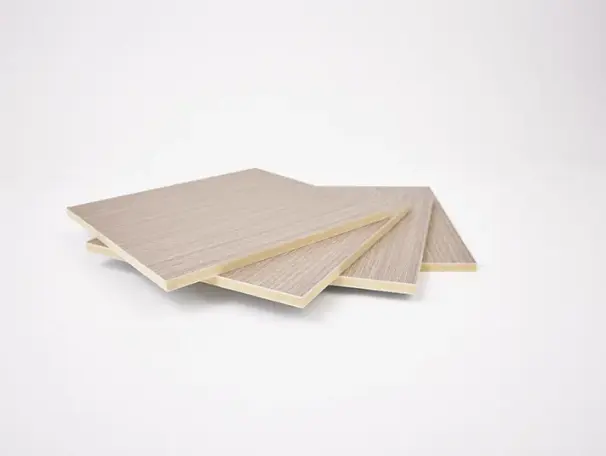
The Science of Making the Shift
When it comes to Indoor Air Quality Wall Panels, the first point to note is that the majority of essence of these products is negative. This is due to the fact that they release MEN (Malodourous Emissions Negative) VOCs. Bamboo Activated Carbon is different.
The removal of pollutants is affected by the structure of the adsorbent used. Bamboo charcoal is porous and has the greatest adsorptive capacity. The porosity and surface area of bamboo charcoal contributes to its great performance. Interestingly, and to the detriment of the competition, loess removes only 69.9% and 56.6% of the same substances respectively. They are all arguably good alternatives to VOCs, but they cannot compare to bamboo charcoal's ability to remove pollutants of all sizes.
The charcoal is also able to remove more of the same gases. Recent research achieved a 94% formaldehyde degradation rate with modified bamboo-based activated carbon, demonstrating its potential as an active air cleaning agent rather than just a passive filter:
• High adsorption efficiency: Traps odors, toxins, and allergens continuously
• Active degradation capability: Breaks down formaldehyde and toluene on contact
• Natural and chemical-free: No synthetic additives or harmful byproducts
Responding to a Supply Chain Shift
Global procurement teams are taking notice of a clear trend: the bamboo materials market is projected to grow from 79.36 billion in 2025 to 85.66 billion in 2026 at a 7.9% CAGR. Not less from demand for renewable, advanced performance materials, decorative growth is happening in many different industries from automotive to consumer products.
This growth is along lines of MateralScience's primary, most relevant market : sustainable building materials, rehase growing trade reports, LEED, WELL, and BREEAM certified building materials. A '\green building' materials({R02, growth}) market, bamboo product(s)({R02, growth})'s Bamboo based panels' well (defintie) performance advantages vs. Wood and MDF.
Why Interior Bamboo Wood Panels Outperform Traditional Alernatives
- Durability and Stability:
•Safer from undulation and splitting: Bamboo, which has a high density based and layered structure, possesses an advantage over many softwoods in terms of cellular stability.
•Water Safe: bamboo charcoal panels do not have Mdf's propensity to be vulnerable to swelling after prolonged exposure to moisture, in addition to their density.
•Impact Resistant: In high impact areas, such as high traffic commercial areas, lobbies, classrooms, and corridors, they do not have a propensity to dent.
- Maintenance and Lifecycle Value:
•Lots of benefit for limited work: Provide safety from user maintenance of swelling, splitting, denting, etc.
•Lower replacement frequency: While many high priced hardwoods need to be replaced sometimes less than 50 years, bamboo panels are comparably longer.
•Good value: Bamboo panels are between 'green' materials MDF and premium hardwoods in price, yet ‘lasts’ longest.
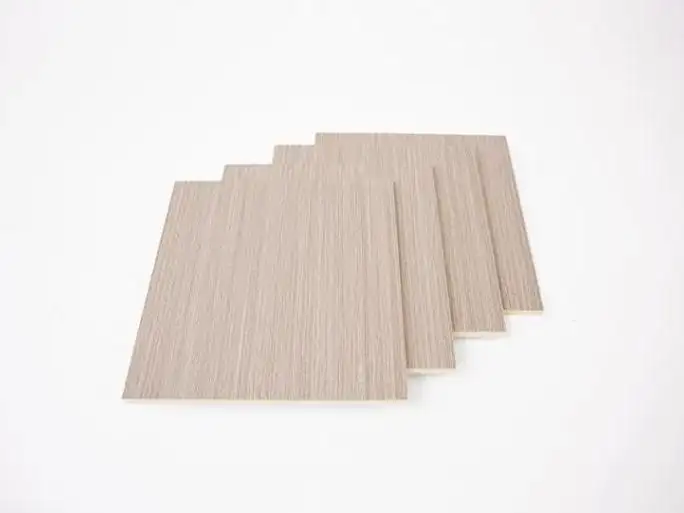
Hengsu Technology Meets Modern Market Demands
Hengsu has had a priority in eco building materials since 1995. A team in marketing invests in years of bamboo carbonization process to effectively reach how split and high density they are materials.
•Bamboo charcoal component active air purification absorbs VOCs and odors.
•Controls moisture at 45-65% RH to avoid any possibility of mold growth.
•Nano-silver treatment provides 99.2% antibacterial effectiveness.
•Surface PVC is waterproof, and can be wiped down to restore cleanliness.
•The tongue-and-groove system helps to save construction time.
•Natural wood tones provide design versatility and customization.
•Channeling sustainable bamboo adds to your LEED score.
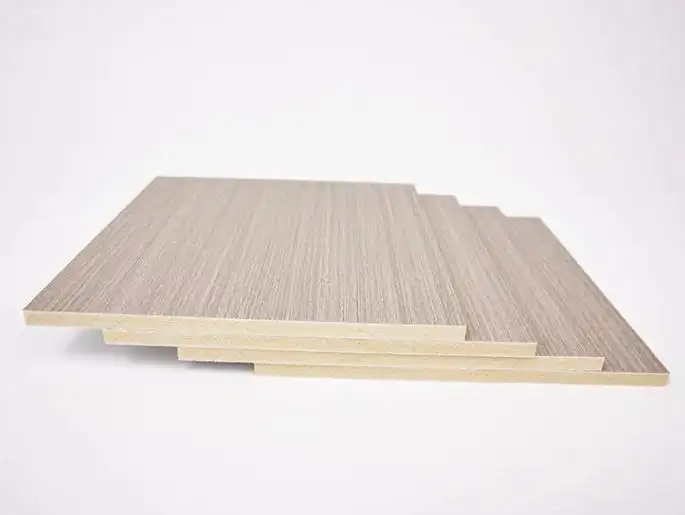
Thank Bamboo Wood Panels for Your Flexibility
Interior bamboo wood panels are not restricted to residential construction, but also provide versatility in different commercial construction as well:
• In healthcare: The antibacterial surface and air purification keep the environment safe for your patients.
• In the hospitality: Moisture resistant, noise cancelling (and aesthetics)!
• In the educational: Impact resistant (and low maintenance) construction with LEED credit compliance.
• In the office: Clean air, sound insulation and a professional appearance.
• In retail and public locations: Construction with design versatility that's simple to maintain.
The Bamboo Panels are a Step Forward in Cladding
Bamboo wood panels with bamboo charcoal technology is a step forward in wall cladding. Positive market response, fall in replacement costs, show a lower maintenance profile, and greater sustainability. The science support the product.
It is time to specify smarter! Take advantage of the tech team's technical assistance, product specifications, and sample order all at your fingertips with just a click on the Hengsu website!
FAQs
Q1: How long can we expect to get out of the Interior Bamboo Wood Panels in a bathroom that has high levels of humidity?
A: After installation, our bamboo charcoal PVC wall boards will get at least 20 years out of the product without the worries of warping, peeling, or the presence of any sort of mold. The wall boards are waterproof and used in conjunction with bamboo charcoal they can adapt to any bathroom, kitchen, or basement's humidity.
Q2: Are these wall boards recyclable and/or eco friendly when disposed of?
A: Yes. The bamboo charcoal is 100% biodegradable, and we use PVC with recyclable content. The panels are accepted at many local recycling centers. If you have a large project you can contact Hengsu about the disposal.
Q3: Will the Interior Bamboo Wood Panels get ruined from things like soap?
A: No. If you want to use soap you can get a damp cloth and wipe them when they get dirty. They get stained very rarely, and you can avoid using wax and sealants with our wall boards.
Q4: Are they compliant with Fire Safety build regulations?
A: Hengsu’s bamboo charcoal PVC wall boards are compliant and are made using noncombustible furnishings with Class B1 standards. Check with your local regulations for official fire testing/docs from Hengsu.
Q5: Can they be placed over top of other walls or tiles?
A: Yes. The system is very slim, and they can simply be slid into place over any wall surface (dry, flat, and clean), and removal of the wall is not necessary. This reduces use of more materials and costs for the project.


