



Modern Magic: Contemporary Types of Interior Wall Paneling
Interior wall paneling has emerged as one of the most dynamic and transformative elements in modern interior design. Far beyond its historical role as simple wall protection, today’s wall panels combine function, form, and flair—turning ordinary walls into expressive canvases that enhance spatial character, comfort, and lifestyle experience. From sleek minimalist finishes to richly textured statements, contemporary wall paneling solutions have something for every design vision and application scenario.
Why Choose Interior Wall Paneling?
Modern wall paneling delivers a compelling mix of aesthetic appeal and practical performance:
-
Design Versatility: Panels can create dramatic feature walls, add visual rhythm, or deliver seamless minimalist planes that align with contemporary decor themes.
-
Durability & Functionality: Quality wall panels resist wear, damage, and stains more effectively than traditional paint or wallpaper, making them suitable for both residential and high‑traffic commercial spaces.
-
Enhanced Comfort: Many panel systems offer improved thermal performance and acoustic benefits—helping spaces feel warmer, quieter, and more inviting.
-
Low Maintenance: Easy to clean and maintain, modern decorative panels retain their fresh look with minimal effort.
Whether you’re renovating a living room, upgrading an office reception area, or designing a boutique commercial interior, choosing the right wall panel can elevate style and performance in equal measure.
Contemporary Wall Paneling Types
Below are some of the most popular and effective types of interior wall paneling that designers and homeowners are choosing today:
1. Wood Wall Panels
Wood remains one of the most timeless paneling choices, prized for its natural warmth and texture. From rich walnut and oak to lighter maple finishes, wood panels can suit everything from rustic charm to modern sophistication. These panels can be installed vertically for height‑enhancing effects or horizontally to extend visual breadth in smaller rooms.
Wood paneling can be engineered—layered with medium‑density fiberboard (MDF) cores to prevent warping and enhance durability—while retaining authentic wood grain aesthetics.
2. MDF (Medium‑Density Fiberboard) Panels
MDF panels combine versatility with cost‑effective performance. Manufactured from densely compressed wood fibers, MDF offers a smooth surface that is ideal for paint finishes or custom laminates. These panels adapt beautifully to modern decor, delivering clean lines and consistent visual appeal at a more accessible price point than solid wood.
3. PVC and WPC Panels
PVC and WPC (Wood‑Plastic Composite) wall panels provide exceptional durability, moisture resistance, and easy installation—particularly useful in kitchens, bathrooms, or utility areas. WPC blends natural wood fibers with high‑performance polymers, creating panels that mimic wood’s appearance while resisting moisture and decay, making them suitable for both interior and exterior contexts.
These plastic‑based panels are available in a wide spectrum of colors and patterns, including highly realistic wood grain and stone effects, expanding design options for contemporary applications.
4. 3D Textured Panels
Three‑dimensional wall panels introduce sculptural depth and tactile interest to interior surfaces. Their raised forms create dynamic light and shadow effects, turning walls into visual focal points. From geometric motifs to organic waves, 3D panels offer a unique contemporary expression that complements minimalist or avant‑garde interiors.
5. Fabric and Acoustic Panels
Fabric‑wrapped wall panels bring soft texture and refined visual richness into interiors. They are excellent for spaces that benefit from sound absorption, such as home theaters, recording rooms, and corporate meeting spaces. These panels merge functional sound control with elegant surface design, enhancing both the form and acoustics of a room.
Key Design Trends in Wall Paneling
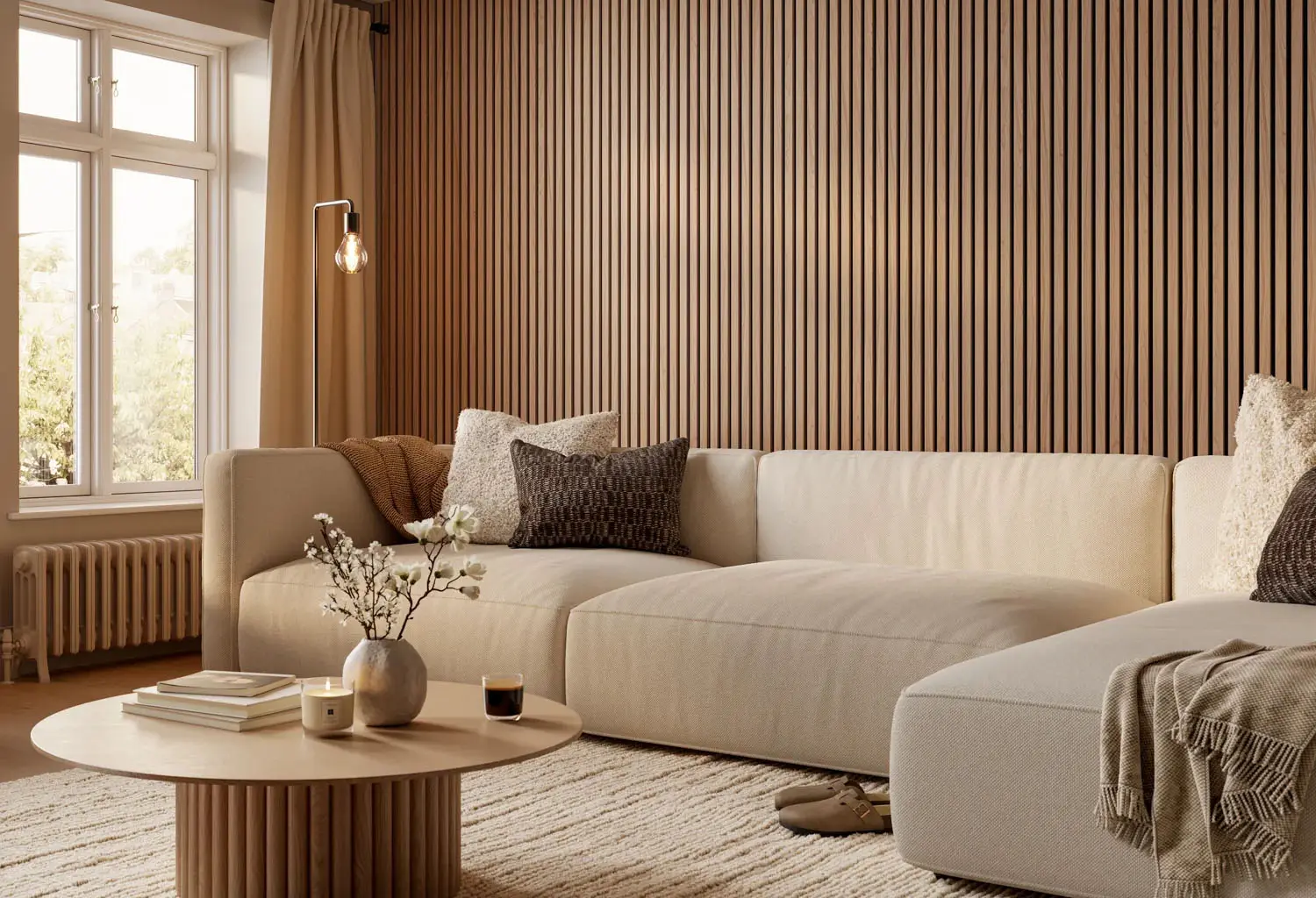
Vertical Slat Paneling
Vertical slat walls create architectural rhythm and draw the eye upward, making ceilings appear higher and spaces more expansive. This trend continues to dominate modern residential and commercial interiors, blending natural material warmth with contemporary linear geometry.
Minimalist and Seamless Finishes
Seamless panel systems with minimal joints provide a smooth, uninterrupted aesthetic that pairs well with modern furniture and open‑plan layouts. Clean, low‑contrast colors and fine surface textures help maintain calm visual environments.
Acoustic Optimization
As designers focus more on experience and comfort, acoustic wall solutions are gaining traction. Panels engineered with sound‑absorbing cores or fabrics help reduce reverberation in large spaces like lobbies, studios, and lounges, improving usability without compromising style.
Choosing the Right Wall Panel for Your Space
Selecting the ideal wall panel involves balancing aesthetic goals, performance needs, and installation context:
-
Consider Room Function: Moisture‑resistant panels excel in kitchens and baths, while acoustic‑enhanced options suit entertainment areas.
-
Match Design Intent: Choose panel textures, colors, and materials that support your desired ambience—whether minimalist, organic, or bold.
-
Installation and Maintenance: Look for panels that offer straightforward installation and long‑term resilience, reducing maintenance costs and effort over time.
Final Thoughts
Interior wall paneling is more than a finishing touch—it’s a strategic design choice that shapes atmosphere, enhances performance, and conveys personality. From the rich warmth of wood and WPC to textured 3D surfaces and acoustic fabrics, contemporary wall panels unlock design potential for every space. By understanding the strengths of each panel type and aligning them with your vision, you can achieve interiors that are both beautiful and enduring.
Ready to transform your interiors? Explore HSCSDécor’s extensive wall panel collections and find the perfect solution for your next project.


