



Modular WPC Wall Systems: A Practical Guide To Smart Builds
Modular WPC Wall Systems are one of the most practical ways to upgrade interiors and semi-covered spaces without turning a project into a long, dusty construction job. At Hengsu, we manufacture WPC wall solutions for buyers who want clean design, repeatable quality, and a faster route from sample approval to real installation.
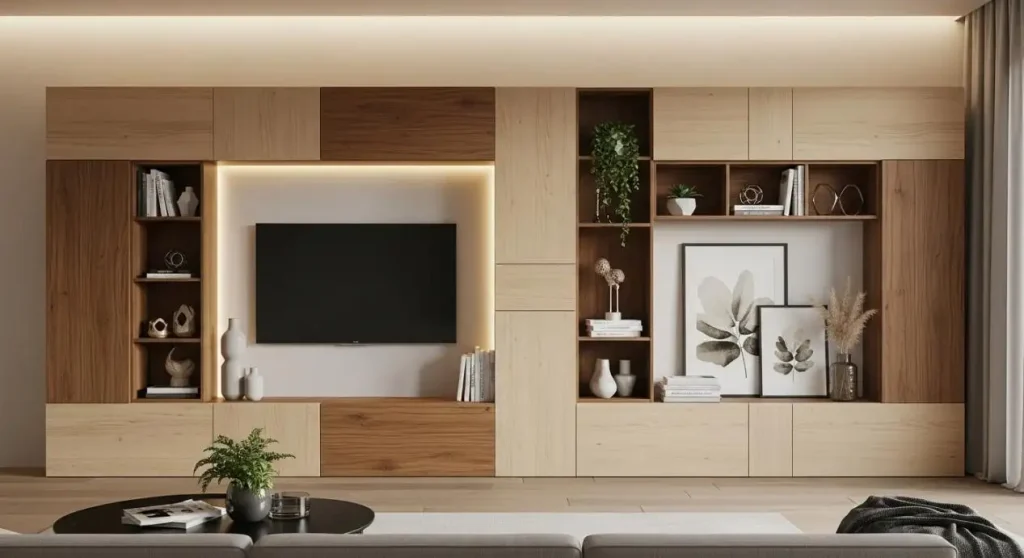
This guide is written for new buyers. We will explain what "modular" really means, which performance points matter most, and how to specify a system that works in real buildings—not only in a showroom.
What Modular WPC Wall Systems Really Mean in Projects
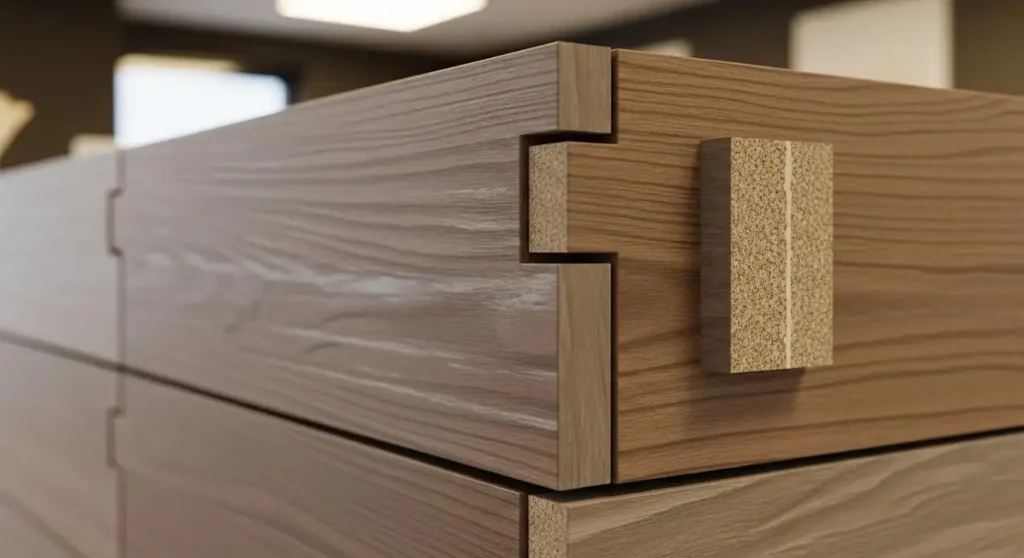
A "modular" system is not only a panel. It is a set of parts that are designed to work together: wall panels, connection edges, trims, corners, and start/end profiles. The goal is simple—predictable fit and quicker installation.
In many projects, traditional wall finishing depends heavily on site conditions. If the wall is not flat, or the humidity changes, small errors can become visible. Modular WPC Wall Systems reduce that risk by using a defined profile geometry and matching accessories, so installers follow a repeatable method.
For commercial upgrades, this matters even more. When a shop, lobby, or rental space must reopen fast, a system approach is usually safer than a "build everything on site" approach.
Material Basics New Buyers Should Understand
How WPC Gets Its Stability
WPC (wood-plastic composite) is commonly made by combining plastic with wood fibers/particles. The plastic component helps reduce biological attack and water-related issues compared with natural wood, while the wood content helps stiffness and appearance. A key point for new buyers is that WPC performance should be judged by test methods and data, not only by surface texture.
For buyers who need objective checks, ASTM provides a widely used evaluation path for WPC products. For example, ASTM D7031 is a standard guide covering test methods used to evaluate mechanical and physical properties for WPC products.
In practice, when you request a quotation, you should also request the matching performance documentation for your application (interior wall, humid area, semi-outdoor, etc.). The same "WPC" label can cover different formulations and different results.
A Practical Performance Checklist for Smart Builds
When buyers say "smart build," they usually mean fewer surprises after installation. Below is a simple checklist we use at Hengsu when helping customers choose a Modular WPC Wall Systems specification.
Moisture Control and Water Absorption
Moisture is the main reason wall finishes fail early—swelling, odor, mold risk behind the surface, or adhesive problems. With modular WPC, the smarter approach is to focus on measurable behavior.
✓ Ask for water absorption results under a recognized test condition (for example, 24-hour water immersion).
✓ Check whether the system is designed with ventilation space (or a batten framework) when the wall may hold moisture.
✓ For humid zones, confirm sealing details at edges and corners to avoid water entry behind the panels.
Some published WPC technical data shows water absorption around 0.75% by weight after 24 hours under referenced ASTM methods (reported as part of performance testing).
Your target number may vary by formulation and panel structure, but the logic stays the same: request data, then match it to the use scene.
Heat, Expansion, and Real-World Tolerances
Even interior projects face temperature swings—sunlight near windows, HVAC cycles, or warm corridors. Materials expand and contract. If you ignore this, you can get edge stress, noise, or slight buckling.
A research paper on PVC-based WPC reports an average linear thermal expansion coefficient around 55.49 × 10⁻⁶/°C (in a defined temperature range).
That number is not a "universal constant" for all WPC, but it gives new buyers a helpful reference: expansion exists, so installation allowances matter.
✓ Keep expansion gaps where the system requires it (especially long runs).
✓ Use correct start/end trims to "hide" allowances without forcing the panel.
✓ For areas with strong sunlight, treat the project as a higher-movement zone.
Fire Safety: Know The Language Before You Buy
Fire requirements differ by country and building type. In Europe, many buyers will see classifications under EN 13501-1, such as B-s1,d0, which indicates limited contribution to fire, very low smoke, and no flaming droplets.
✓ Don’t rely on marketing words like "fireproof." Ask for the test report and the application scope.
✓ Confirm whether the rating is for the panel only or the complete wall assembly.
Profiles, Finishes, and Details That Decide the Final Look
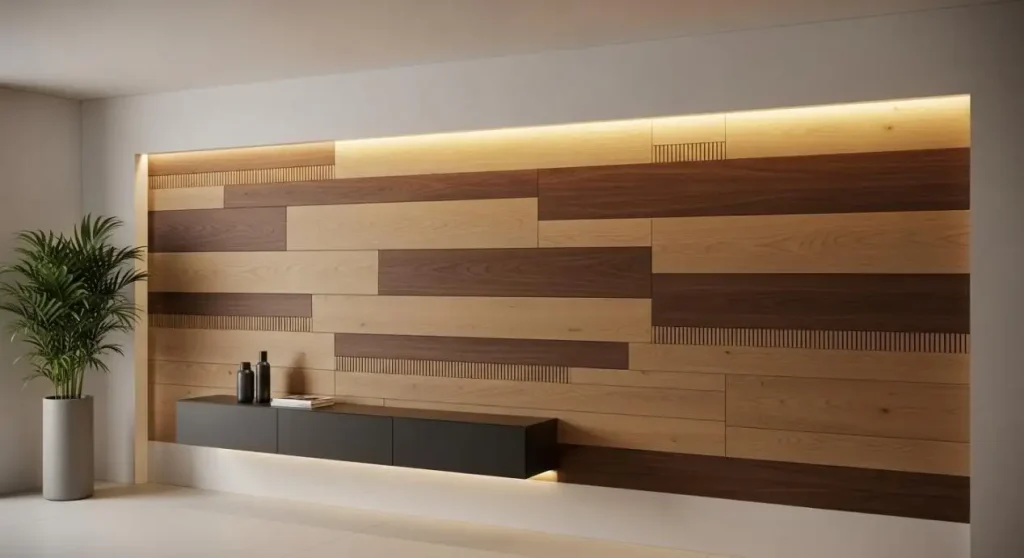
Modular WPC Wall Systems are selected twice: first by the buyer, then by the installer. If the detailing is unclear, even a good panel can look "cheap" on the wall.
At Hengsu, we usually guide new buyers through three decisions:
✓ Panel geometry: flat, ribbed, slat-look, or micro-groove styles based on the design goal.
✓ Surface finish: matte is often more forgiving under strong light; deeper textures hide small scuffs better.
✓ Accessory completeness: inside corners, outside corners, end caps, and transition trims should be planned early, not patched later.
A smart buyer also checks cleanability. If the project is retail, hospitality, or public space, the surface should support routine wiping without leaving obvious marks.
Installation Workflow That Saves Time and Prevents Rework
Many buyers focus on panel cost only. In reality, installation efficiency often decides the final project cost and delivery date.
A practical workflow looks like this:
✓ Step 1: Substrate check (flatness, moisture risk, and anchoring points).
✓ Step 2: Layout plan (panel direction, seam positions, and openings).
✓ Step 3: Framework or direct fixing (based on wall condition and local method).
✓ Step 4: Panel locking + trims (work in one consistent direction).
✓ Step 5: Final inspection (seams, corners, and surface protection removal).
For new buyers, the key lesson is simple: a modular system performs best when it is treated as a system. Mixing unmatched trims or skipping allowances usually creates the problems people wrongly blame on "material quality."
Hengsu CTA: How to Source the Right Modular WPC Wall Systems
If you are sourcing Modular WPC Wall Systems for retail spaces, apartments, offices, or brand customization, contact Hengsu with three inputs: your installation scene (dry / humid / semi-outdoor), your target style (flat / slat / textured), and your estimated order volume.
We will:
✓ Recommend a practical panel profile and trim set for your wall condition
✓ Share a clear installation suggestion that reduces risk of rework
✓ Provide a cost-effective proposal aligned with real project timelines
When you treat the wall as a system—not a single panel—you get a cleaner finish, smoother installation, and a smarter build that stays stable over time.


