



Top 5 Exterior Wall Cladding Ideas to Transform Your Building’s Look and Performance
When planning the exterior of a house or commercial building, wall cladding plays a central role in both form and function. Exterior wall cladding not only enhances a home’s visual appeal and architectural identity, but also protects the structure from weather, moisture, pests, fire, and everyday wear. Choosing the right cladding idea ensures your walls look stunning while delivering long‑lasting performance and minimal maintenance.
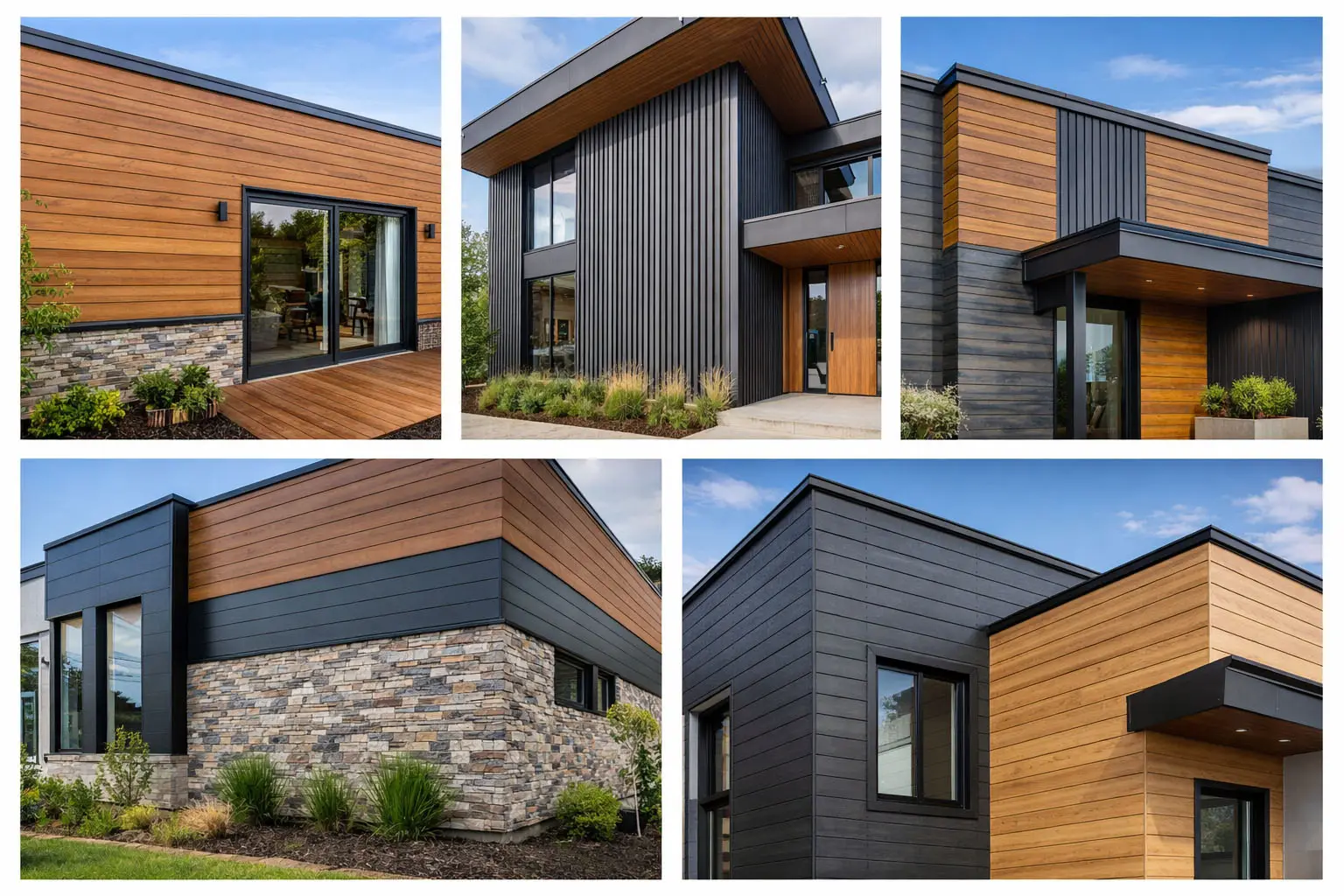
Today we will explore five innovative and practical exterior wall cladding ideas — with insights on design styles, materials, and ways to elevate your building’s curb appeal using modern cladding systems like WPC wall panels from HSCSDECOR.
1. Wood‑Grain Composite Cladding: Warmth Meets Durability
One of the most timeless yet contemporary exterior cladding ideas is the use of wood‑grain composite panels. These cladding boards replicate the natural warmth and texture of timber while overcoming the traditional downsides of wood, such as rot, decay, frequent painting, and termite issues.
Why It Works:
-
Wood grain composite cladding brings a natural look that complements modern, rustic, and transitional home styles alike.
-
Materials like WPC — engineered from a blend of wood fibers and plastic — tend to be moisture‑resistant, dimensionally stable, and long‑lasting.
-
This cladding style can be installed horizontally or vertically depending on your design aesthetic, creating a dynamic exterior texture that stands out.
Design Tips:
-
Pair wood‑grain cladding with neutral stone or masonry accents to balance warmth with architectural strength.
-
Select wide or narrow board profiles to influence visual rhythm — broader boards can make a space appear modern and expansive, while narrower boards create a refined, classic look.
2. Vertical Slatted Cladding: Enhancing Height & Modern Expression
Vertical slatted cladding has become a popular choice for contemporary exterior design. By orienting panels vertically, the wall visually draws the eye upward, creating a sense of height and architectural drama.
Benefits of Vertical Cladding:
-
Emphasizes building height and elevates a minimalist exterior aesthetic.
-
Works exceptionally well on multi‑story buildings, facades with generous glazing, or modern projects seeking clean lines.
-
Pair with contrasting horizontal elements like terraces, pergolas, or walkways for layered visual contrast.
Material Options:
While timber can achieve this look traditionally, WPC and composite panels are increasingly preferred because of their weather resistance, stable coloration, and low maintenance in outdoor conditions.
3. Mixed Orientation Cladding: Dynamic Visual Interest
An increasingly popular exterior design concept is mixed orientation cladding, where vertical and horizontal panels are combined on the same surface. Rather than adhering to a single direction, alternating panel orientations creates visual texture and architectural depth.
Design Advantages:
-
Offers visual segmentation that highlights architectural features like corners, entryways, or cantilevered sections.
-
Enhances contrast and balance in facades — especially on buildings with larger surface areas.
-
Paired with varied colors and materials, it can transform an ordinary facade into a striking one.
Practical Considerations:
When using mixed orientation cladding, plan transitions between materials carefully and consider water shedding, flashing, and installation tolerances to ensure performance and longevity.
4. Contemporary Multi‑Material Cladding: Blending Natural & Engineered Textures
The art of cladding design is not limited to a single material. Combining different cladding materials — such as WPC, metal, stone veneer, fiber cement, or even render finishes — can create a richly layered facade full of texture and personality.
Why Multiple Materials Work:
-
They imbue depth and contrast, turning functional walls into visual focal points.
-
Materials can play complementary roles — for instance, natural stone or brick veneer for grounding, with smooth WPC boards for contemporary flair.
-
Modern materials offer complementary benefits: stone and brick for thermal mass and character, WPC for flexibility and ease of installation.
Design Inspiration:
-
Use stone around the base of the building and composite boards above to articulate grounding and elevation.
-
Metal accents or trims can introduce sleek lines around windows or as horizontal bands.
-
Pair vertical panels with textured fiber cement surfaces for a refined, multi‑layered look.
5. Customized Color & Texture Cladding: Personalize Your Exterior Palette
The look of cladding doesn’t stop at form and orientation. The color and surface texture have an equally powerful effect on curb appeal. Modern cladding materials, including WPC composites, offer a wide range of factory‑finished colors, woodgrain textures, and embossing designs without the need for painting or staining.
Creative Approaches:
-
Select lighter hues to amplify natural light reflection and create a breezy, modern facade.
-
Use darker, earthier tones to imbue a sense of architectural solidity and presence.
-
Textured embossing or matte finishes add sensory richness and hide dust or visual wear over time.
Performance Benefits:
High‑quality coatings and composite profiles not only look beautiful but also resist fading, scratching, moisture intrusion, and UV damage — reducing long‑term maintenance.
How to Choose the Right Cladding for Your Project
Choosing exterior cladding goes beyond design trends — it must align with your location’s climate, the building’s architecture, budget, and desired lifespan. Here are strategic considerations:
Climate & Performance
-
Coastal regions benefit from materials resistant to salt air and moisture.
-
UV‑intense areas need color‑stable cladding with UV inhibitors.
-
Hot climates may favor lighter tones and high heat‑reflexive coatings.
Maintenance Goals
-
Traditional wood may demand regular painting and sealing.
-
Modern composites like WPC retain color and performance with minimal intervention.
Architectural Context
-
Traditional home styles may complement horizontal cladding or classic timber looks.
-
Contemporary or minimalist buildings often shine with vertical orientation, sleek finishes, and true mixed materials.
HSCSDECOR Cladding Solutions: Style, Strength & Sustainability
At HSCSDECOR, we understand that exterior wall cladding is more than decoration — it’s a protective shield and an expression of design intent. Our cladding solutions — including WPC wall panels, advanced composite finishes, and wood‑inspired cladding boards — are engineered for durability, environmental sustainability, and architectural beauty.
Why Choose HSCSDECOR:
-
Durable Materials: Engineered for moisture resistance, fading prevention, and temperature stability.
-
Design Variety: A wide range of profiles, textures, and factory‑finished color options.
-
Long‑Term Performance: Low maintenance needs and enduring visual appeal.
Whether you’re renovating an existing facade or designing a new building exterior, the right cladding idea can elevate both performance and curb appeal. Explore HSCSDECOR’s product range and design inspiration to turn your exterior vision into reality.


