



Wall Cladding Panels: The Practical Upgrade That also Appears Luxury.
Wall cladding panels have long since passed through the phase of a mere decorative finish. They are now applied to homes, apartments, offices, hotels, restaurants, retail stores, and government buildings since they are the only system that offers style, protection, and performance. Cladding panels can give the exterior a smoother appearance, increased durability and increased ease of maintaining, whether used as an exterior facade or a feature wall inside, as opposed to most of the more traditional wall finishes.
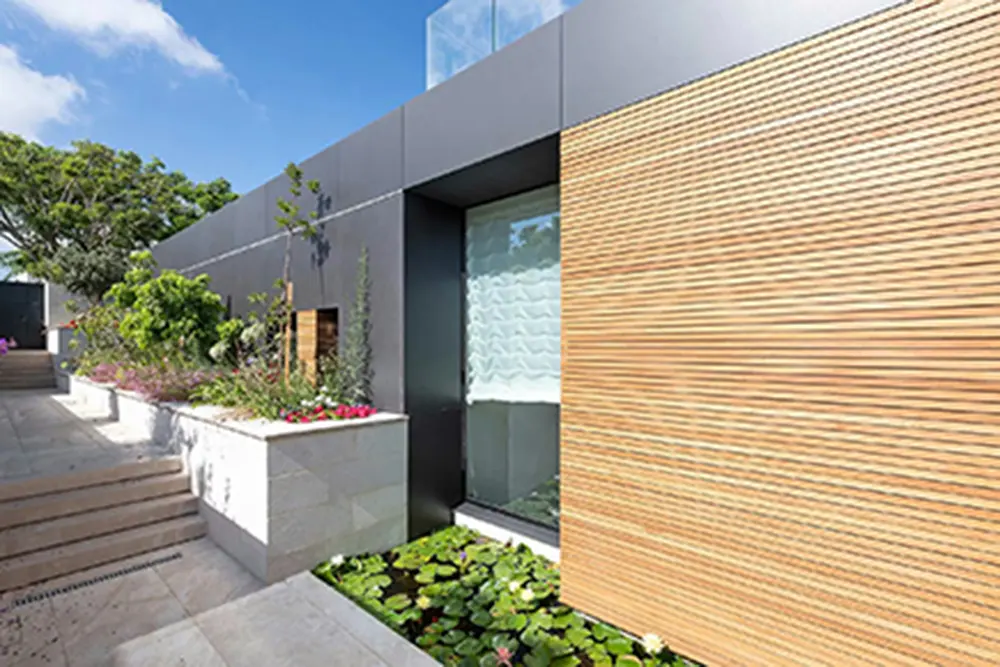
The following is an in-depth examination of the largest advantages of the wall cladding panels- and why they are commonly regarded as a profitable long term investment choice.
1) Rapid, melodramatic change of appearance.
Cladding panels are one of the fastest methods to arrive at a modern, premium and purposeful look, however, on a wall. Plastered walls may be dull; it is added to give it texture, depth, and design.
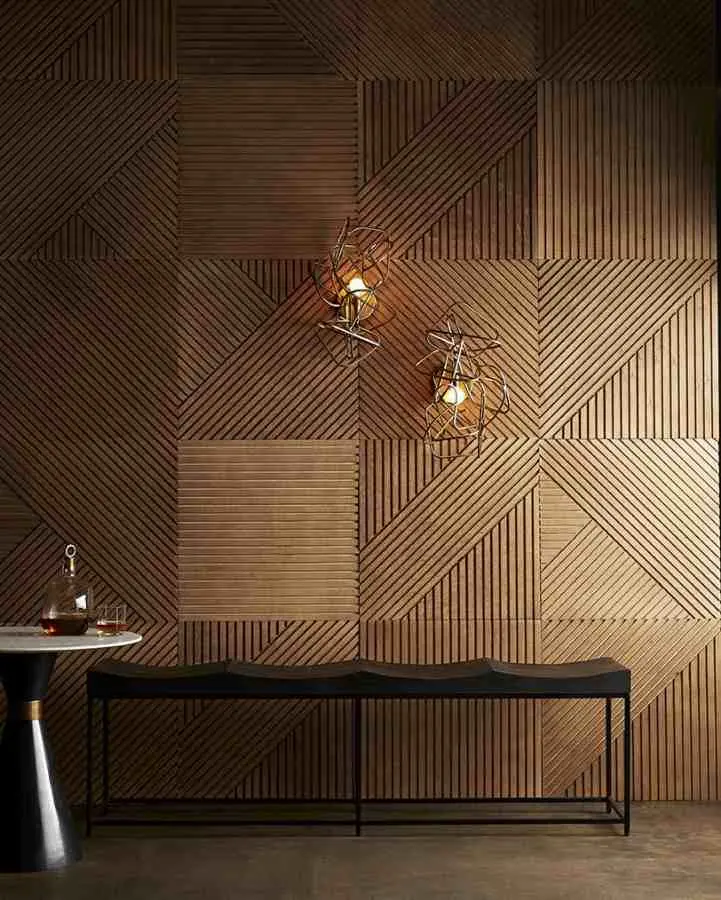
Since the cladding is available in a large selection of finishes, consisting of wood appearance, stone appearance, concrete appearance, metallic, solid colors, matte, gloss, and patterned surfaces, you can find almost any appearance. When used on the exterior, panels are able to give the building a clean architectural appearance that immediately enhances the curb appeal.Wall cladding panels are often seen as statement walls in the interior space, including TV wall backgrounds, reception areas, hotel headboards, and branded retail walls.
The outcome is a smooth, mass-produced finish which provides a clean and consistent look all over.
2) Better aviation rain, UV, humidity and pollution shielding
Outside walls are battered: they are hit by the sun and rain, humidity, the wind, changes in temperature, pollution, dust, etc. Normal finishes such as paint and plaster may fade, crack, peel or stain with time. Wall cladding panels provide an additional protective coating which helps protect the structure underneath.
Most exterior cladding systems are rainscreen systems, i.e. they can help to control the moisture since they allow air to circulate and drainage can occur behind the panel layer (when properly designed and installed). This lessens the possibility of water being stagnant against the wall- significant in construction in case of similar climatic conditions, i.e. humid or rainy.
In brief: cladding makes your building more presentable and gives it a longer lifespan, as well as less frequent external repairs.
3) Performance improved under the everyday wear in high pedestrian interiors
Inside, the walls tend to be subject to everyday abuse such as scuffs, scratches, bangs, fingerprints and regular clean-ups. This is particularly so in commercial areas such as restaurants, offices, corridors, lobbies, elevators, clinics and retail stores. Painting and repairing become a vicious circle.
Panels can be clad to give them a sturdier look that is suited to daily usage. A variety of panel materials have a good impact resistance and are more lenient compared to painted drywall. That means that cladding is a convenient option in the environments where the wall finish must remain presentable in the real-life conditions.
4) Surfaces with low maintenance that are simple to clean
Among such advantages that people enjoy with cladding panels is their easy maintenance. Many wall panels can be wiped off on a regular basis, in comparison to textured paint or porous substances that are easy to stain, and are therefore well suited to processes where cleanliness is a concern, as well as where appearance is a concern.
This is a big advantage in:
- Kitchens and eating areas where spills and grease are frequent and frequent cleaning is done.
- Wet areas that are exposed to high humidity and direct contacts with water.
- Fingerprints, scuffs Retail and public places.
- Rentals (greater wear, greater turnover)
Reduced maintenance does not only save money but also saves time and efforts by the property owners and facility managers.
5) The possible improvement of heat insulation and temperature control
Wall cladding panels may allow improved thermal comfort- particularly when they are constructed as an entire exterior wall build-up. The panels are mounted with a air gap in most systems which is ventilated and they may be combined with insulation.This prevents heat transfer and enhances stability of the temperature in the indoors.
Cladding may also prevent direct exposure of the main wall to heat and rain even in the absence of any additional insulation. Over time, this can reduce thermal stress on the underlying structure and support longer-lasting wall performance.
To deal with hot climates, it is possible to minimize heat gain to make interiors more comfortable and possibly to reduce the cooling requirements.
6) Possible improvement of the sound control and noise suppression
Some systems of cladding may help in creating a better acoustical environment, especially when combined with some backing layers, insulation, or acoustically damping items. Cladding is not necessarily a way of soundproofing, but the combination of materials can be used to minimize the spread of noise and echo to make offices, meeting rooms, apartments, hotels, and corridors feel better.
When noise control is a major objective, then it is better to choose the system that is acoustically oriented, and it is not supposed that all panels can do the same.
7) Quickens the installation and produces more consistent results
Panel cladding can be applied faster and with generally more predictable results than some of the more traditional means of finishing a job, such as laying stone block after block, plastering, or going through several stages of applying several layers of paint. Most systems deal with standardized panel sizes and fixing techniques and this makes the installations smooth and saves on the uncertainty that is present in wet trades.
This matters a lot for:
- Business upgrades (shorten offtime)
- Huge facade (velocity and uniformity)
- Multi-unit residential (repeatable installation)
A quicker completion will imply quicker project turnover- and in many cases; reduced labor costs.
8) Large variety of materials in various requirements and prices
The term wall cladding panels is a general one and this is wonderful to the designer and the builders since it leaves them with flexibility. A type can be selected based on the various factors such as appearance, cost, moisture resistance, impact resistance, or exterior performance depending on your priorities.
Commonly used wall cladding panels are:
- Wall panels (PVC good in the interior and wet areas)
- WPC wall panels: composed of wood-plastic composite materials, which are applicable both inside and to some shielded exterior applications.
- HPL panels (high-pressure laminate): this material is very popular in high-traffic interiors and exterior facades, particularly when it is used in rainscreen cladding systems.
- Fiber cement panels: fiber cement is strong and dimensionally stable hence ideal to be used on the exterior.
- Metal composite panels: they have smooth, modern look and are usually applied to the exteriors of commercial buildings.
- Stone / faux stone panels (high quality appearance, light options also possible)
This diversity has seen cladding being made available in both low-budget and high-end architectural constructions.
9) Functional in covering less than perfect walls and concealing the problem areas
Renovations are usually accompanied with uneven surfaces, patched spots, stains, or hair line cracks. Cladding can be used in place of massive wall preparation to cover and homogenize the surface to provide a clean and uniform finish.
Cladding may also be used to hide little paths of service (such as wiring paths), based on the system and layout- and makes spaces look tidier without significant structural modifications.
10) Brings value to the perception and helps in branding
Good wall decoration transforms the perception of a space by the people. In the case of homes, higher level exterior facade and durable interior features have the potential to enhance the level of buyer attraction. In the case of commercial spaces, branding can be reinforced by cladding namely at the front of the stores, at reception desks, and on feature walls.
Even under the same type of structure, a textured wall with a contemporary finish may seem more premium than plain paint. That value as perceived can be a tangible business benefit in hospitality, retail and office settings.


