



Best PVC Wall Cladding Panels 2026: The Ultimate Interior Guide
In 2026, the best PVC wall cladding panels are defined by a shift toward sustainable bamboo-fiber composites and high-definition tactile textures that mimic natural stone and wood. These advanced panels provide a waterproof, low-maintenance alternative to traditional materials while meeting the strict "Green Building" standards required for modern residential and commercial projects.
What you will control with this guide:
- Material Selection: Distinguish between WPC, SPC, and Bamboo-fiber cores.
- Trend Alignment: Identify the colors and textures dominating 2026 design.
- Technical Compliance: Ensure your panels meet B1 fire and E0 emission ratings.
- Budget Optimization: Compare long-term durability vs. upfront installation costs.
Why PVC & WPC Cladding is Dominating 2026 Trends
The 2026 interior landscape has moved away from cold, flat surfaces toward "Warm Minimalism" and "Biophilic Design." PVC and Wood Plastic Composite (WPC) panels are at the forefront because they allow designers to introduce organic textures—like deep oak grains or raw slate—without the weight or environmental impact of harvesting old-growth timber.
For high-traffic or humid environments, professionals are increasingly specifying the best low maintenance wall cladding panels 2026, as these modern iterations feature UV-cured top layers that resist yellowing and micro-scratches. This focus on "Tactile Minimalism" means that the visual appeal is matched by a premium physical feel, making these panels a staple in 2026 luxury renovations.
Top 5 Best PVC Wall Panel Types for 2026
1. Bamboo-Wood Fiber (The Eco-Choice)
Bamboo-wood fiber panels are the premier sustainable option for 2026. By utilizing fast-growing bamboo stalks pulverized into fiber and bonded with high-grade polymers, these panels offer an E0 formaldehyde rating (less than 0.3 mg/L emissions), making them safe for immediate occupancy in bedrooms and nurseries.
2. WPC Fluted Panels (The Designer Favorite)
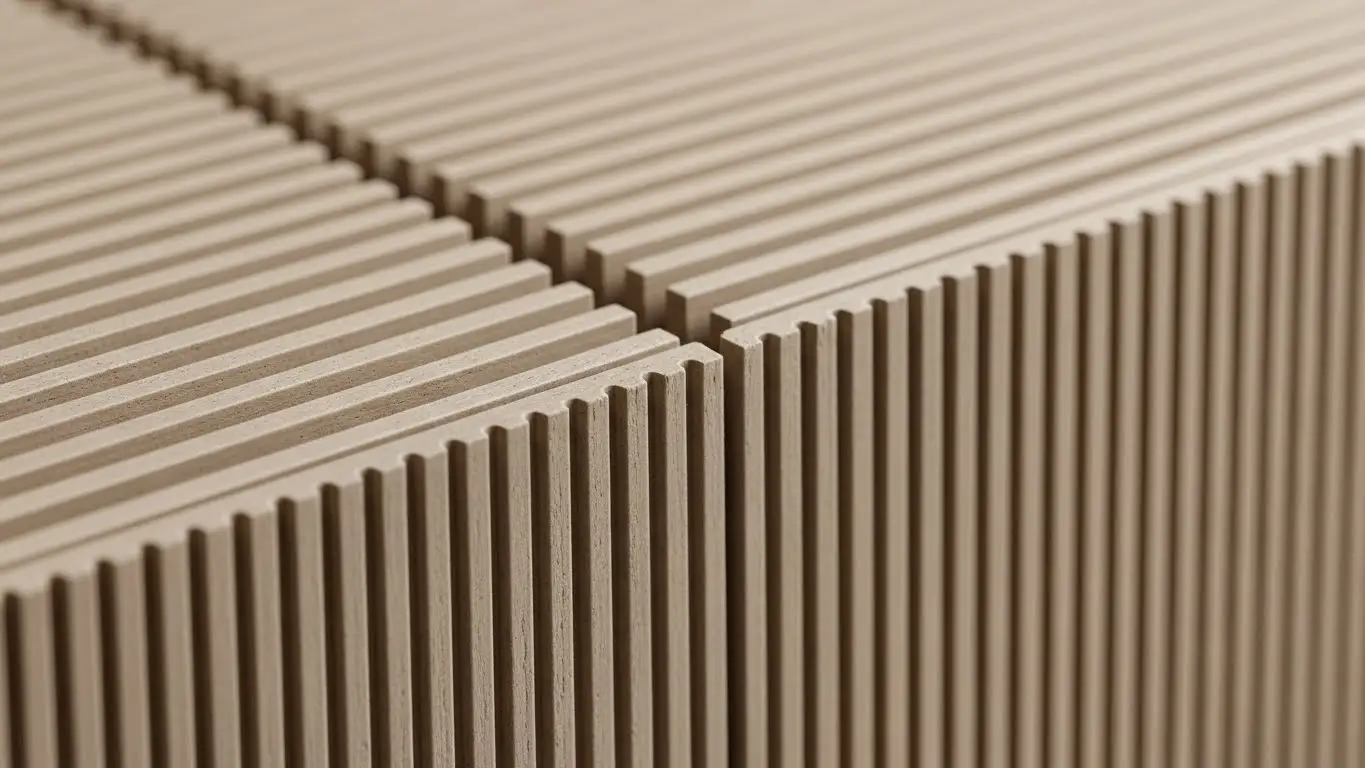
WPC (Wood Plastic Composite) fluted panels remain the top choice for feature walls. The 2026 trend favors "micro-flutes"—narrower, more refined vertical slats that add height to a room. Designers often choose the best WPC wall cladding panels 2026 for their superior structural stability and ability to hold deep, matte "Sand" or "Ochre" pigments.
3. Marble-Finish PVC Sheets (Luxury on a Budget)
Using 2026-gen high-definition thermal transfer printing, these sheets achieve a Delta E (color accuracy) value of less than 1.0, making them virtually indistinguishable from real marble. Delta E is a standard metric used to quantify the difference between a displayed color and the original material; a value below 1.0 is imperceptible to the human eye.
4. 3D Geometric Panels (Acoustic & Aesthetic)
New geometric PVC panels feature a hollow-core design that acts as a natural acoustic buffer. These are ideal for home offices or media rooms where reducing echo is as important as the visual impact.
Technical Comparison: PVC vs. WPC vs. Bamboo Fiber
| Feature | Standard PVC | WPC (Composite) | Bamboo-Wood Fiber |
| Core Material | Virgin/Recycled Vinyl | Wood Flour + Polymer | Bamboo Fiber + Polymer |
| Water Resistance | 100% Waterproof | High | 100% Waterproof |
| Fire Rating | B1 (Flame Retardant) | B1 (Flame Retardant) | B1 (Flame Retardant) |
| Eco-Score | Moderate | High | Excellent (Renewable) |
| Durability | Flexible/Impact Resistant | Rigid/Heavy Duty | High Tensile Strength |
For projects requiring the highest level of impact resistance and floor-to-wall continuity, the best SPC wall cladding panels 2026 are often the preferred choice due to their stone-polymer core.
2026 Installation Standards: Best Practices for Longevity
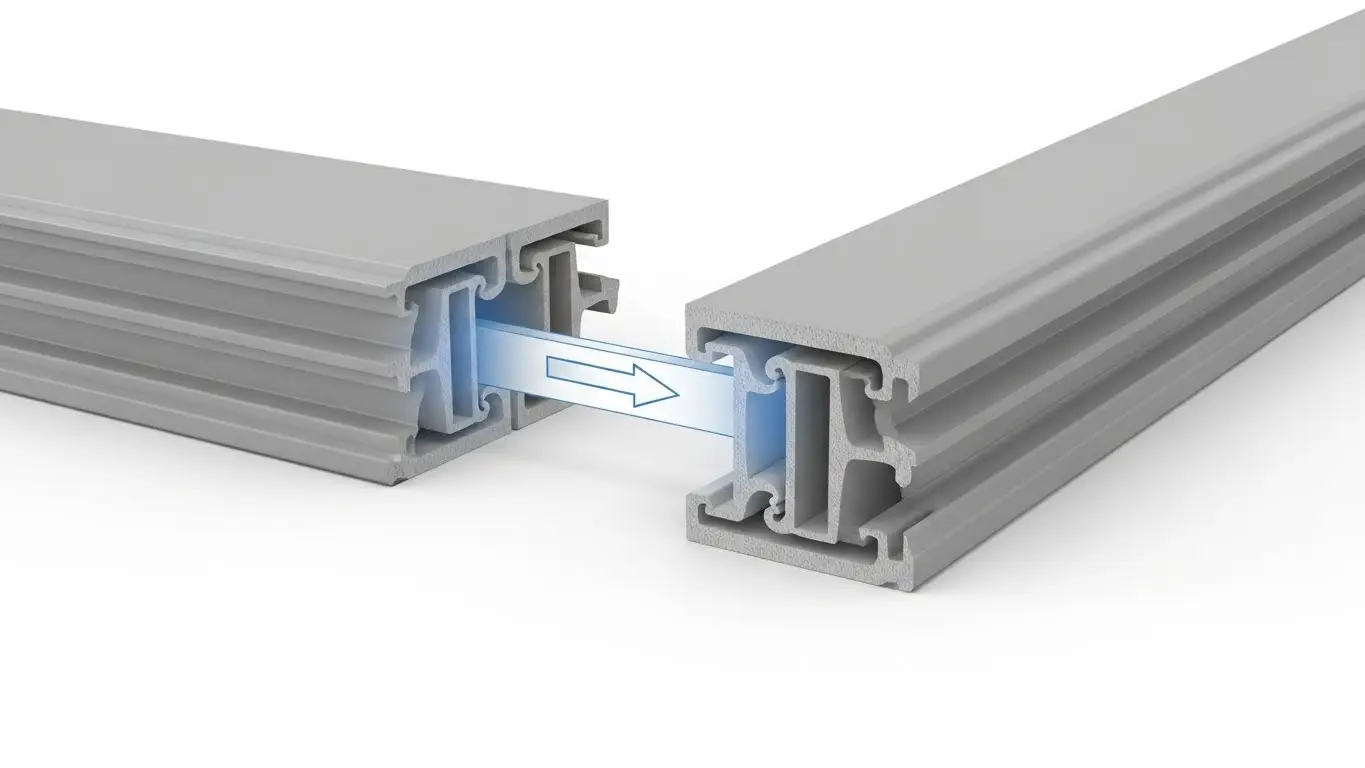
Successful installation in 2026 relies on precision and the right chemistry. Follow these steps to ensure a lifetime of performance:
- Surface Acclimatization: Store panels in the destination room for 48 hours to allow the core to stabilize to the local temperature.
- Substrate Prep: Ensure walls are dry and flat. For uneven surfaces, use anti-rot treated wooden or aluminum battens spaced at 30cm intervals.
- Adhesive Selection: Use only pH-neutral, solvent-free polymer adhesives.
- Thermal Expansion Gaps: Leave a 2–3mm gap at the ceiling and floor lines, hidden by skirting or coving, to account for seasonal expansion.
Common Mistakes to Avoid:
- Using Acidic Sealants: These can react with the PVC film, causing delamination or color fading (needs verification).
- Direct Sunlight Exposure: Installing standard interior panels in areas with high UV exposure without a UV-rated topcoat can lead to "chalking."
Maintenance & Longevity: What to Expect in Year 5+
By year five, the high-quality PVC panels of 2026 will maintain their structural integrity if cleaned correctly.
- Routine Cleaning: Use a soft cotton cloth with lukewarm water and a mild, non-abrasive detergent.
- Avoid Harsh Chemicals: Never use chloride-based cleaners or abrasive pads, as these can micro-scratch the protective wear layer.
- Heat Sensitivity: Standard PVC is heat resistant up to 60°C. For kitchen installations, always use a stainless steel splashback behind stovetops to prevent thermal distortion.
FAQ: PVC Wall Cladding Panels 2026
Are PVC wall panels safe for bedrooms in 2026?
Yes, 2026-standard panels are safe provided they meet E0 or E1 VOC emission standards. Bamboo-fiber panels are specifically recommended for bedrooms due to their near-zero formaldehyde content.
Can you use PVC panels over existing tiles?
Yes, PVC panels can be installed directly over sound, flat tiles using high-grab polymer adhesives. This is a common "no-demolition" renovation hack for 2026.
Do PVC panels cause mold behind the walls?
PVC itself is inorganic and mold-resistant. However, in damp environments, you must ensure the wall is dry before installation or use a batten system to provide a 5mm ventilation gap behind the panels.
What is the fire rating for 2026 interior panels?
Most high-quality PVC and WPC panels are rated Class B1 (flame retardant). This means they do not support active combustion and will self-extinguish once the flame source is removed.
How long do 2026-gen PVC panels last?
With proper maintenance, interior PVC wall cladding has an expected lifespan of 15 to 25 years. Commercial-grade panels with thicker wear layers may last even longer (needs verification).
Are these panels recyclable?
Yes, most modern PVC and WPC panels are 100% recyclable. Many 2026 manufacturers offer "take-back" programs for off-cuts and old panels to support circular economy goals.
Conclusion
Choosing the best PVC wall cladding panels in 2026 is no longer just about aesthetics; it is about finding the perfect balance between sustainable materials like bamboo fiber and high-performance technical specs like B1 fire resistance. Whether you are opting for the deep textures of WPC fluted panels or the sleek finish of SPC, these solutions provide a durable, waterproof, and stylish future for interior design.


