



Best Wood Grain Wall Cladding Panels 2026: The Ultimate Guide
In 2026, the best wood grain wall cladding panels prioritize sensory texture, eco-friendly bamboo fiber cores, and "Maximum Dimension" profiles that offer both visual depth and acoustic benefits. Selecting the right panel today means balancing the warm aesthetics of natural timber with advanced moisture-resistant technology like WPC and SPC.
What you’ll control with this guide:
- Material Selection: Choose between WPC, SPC, and Bamboo fiber based on room humidity.
- Trend Alignment: Identify the 2026 "Curated Nostalgia" and "Earthy Minimalism" looks.
- Technical Specs: Verify B1 fire ratings and expansion coefficients before buying.
- Installation Success: Avoid common warping issues with the right mounting techniques.
2026 Trend Report: Why Wood Grain Cladding is Evolving
The "flat" wall is officially a thing of the past. As we move through 2026, interior design is shifting toward Maximum Dimension, where walls are treated as architectural sculptures rather than mere backdrops. Wood grain panels are evolving to include deep, CNC-routed grooves and tactile surfaces that mimic the "raw" touch of reclaimed timber.
We are seeing a massive resurgence in Curated Nostalgia, which replaces sterile grays with warm, dark oaks and honey-toned walnuts. These panels aren't just for looks; 2026 designs use them to create "Sensory Walls" that feel warm to the touch and provide significant acoustic dampening for home offices.
Example: Using high-relief fluted panels in a "Dark Walnut" finish to create a seamless floor-to-ceiling wrap that transitions onto the ceiling.
Common Mistakes to Avoid:
- Over-relying on cool-toned grays, which are being replaced by "Cremèle Neutrals" (sand and caramel tones).
- Ignoring the "touch" factor—avoid ultra-glossy finishes that look like cheap plastic in natural light.
Top 3 Materials for Wood Grain Panels in 2026
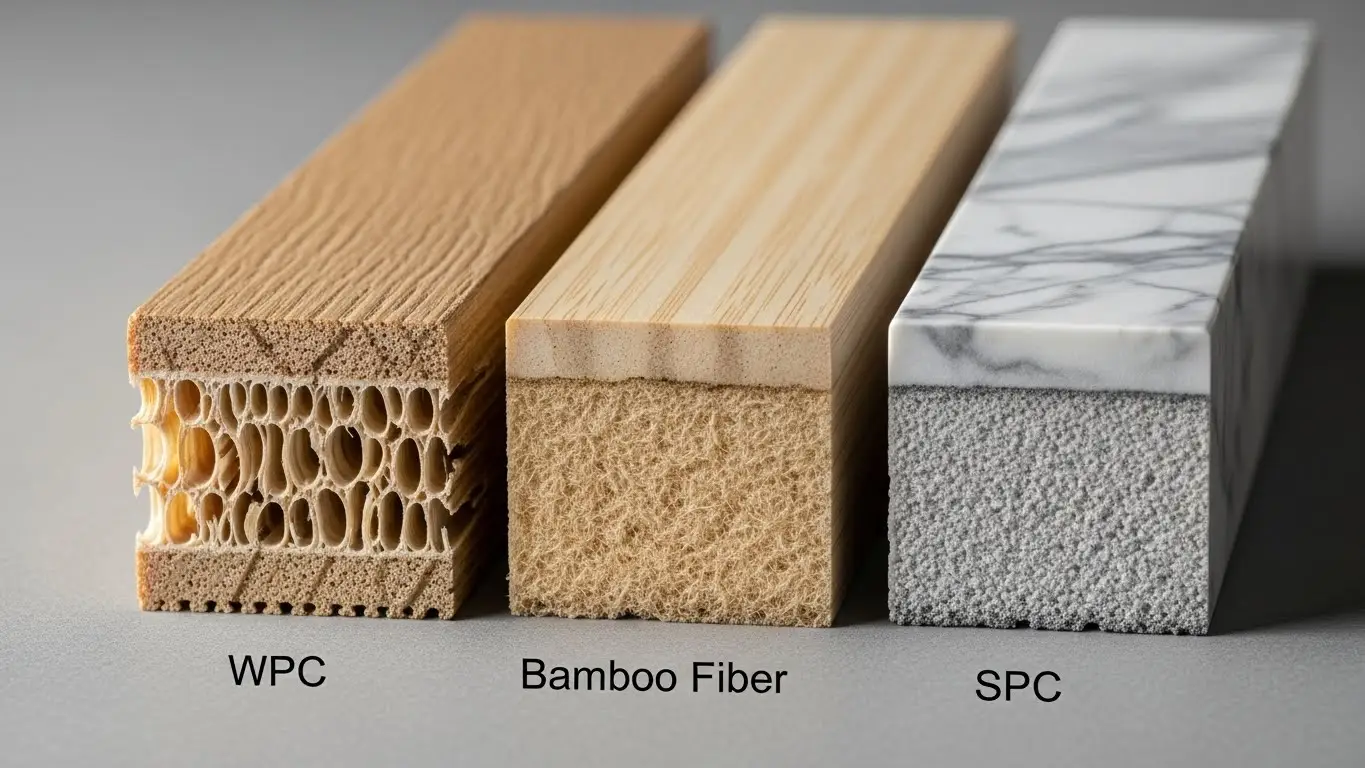
Choosing the right substrate is critical for longevity. While they may all look like wood, their performance in 2026 builds varies significantly.
WPC (Wood Plastic Composite) – The All-Rounder
WPC remains the gold standard for residential interiors. It combines wood fibers with thermoplastics to create a panel that is lighter than stone but more durable than pure timber. For high-traffic areas, check out the best WPC wall cladding panels 2026 for options that feature co-extrusion layers for extra scratch resistance.
Bamboo-Wood Fiber – The Eco-Conscious Choice
Bamboo fiber panels are the breakthrough of the year. They offer the highest sustainability rating due to the rapid renewal of bamboo. These panels are typically more breathable and have a lower VOC (Volatile Organic Compound) emission rate, making them ideal for bedrooms.
SPC (Stone Plastic Composite) – The Heavy Duty Option
If your project involves commercial spaces or areas prone to heavy impacts, SPC is the answer. With a core made of limestone powder, these panels are virtually indestructible. View the best SPC wall cladding panels 2026 to see how stone-core technology now achieves hyper-realistic wood grain textures.
| Feature | WPC Panels | Bamboo Fiber | SPC Panels |
| Waterproof Rating | High (Co-extruded) | Moderate | 100% Waterproof |
| Weight | Lightweight | Ultra-Light | Heavy/Rigid |
| Durability | 20–30 Years | 15–20 Years | 25+ Years |
| Best For | Living Rooms | Eco-Homes | Kitchens/Malls |
Best Wood Grain Cladding for Specific Rooms
Not every wood grain panel belongs in every room. In 2026, the trend is "Blended Expression"—mixing different panel types to suit the room’s function.
- The Living Room (Acoustic Focus): Use wide-slat WPC panels. These provide the "Maximum Dimension" look while diffusing sound waves, perfect for home theater setups.
- The Bathroom (Waterproof Focus): Moisture is the enemy of wood. For these wet zones, you must use 100% waterproof substrates. Look into the best PVC wall cladding panels 2026 for wood-look options that won't swell or grow mold in high humidity.
- The Home Office (Productivity Focus): Earthy tones like "Olive Green" wood grains or "Honey Oak" help reduce eye strain and promote concentration.
Example: Installing a "Beige Travertine" wood-grain SPC panel as a bathroom backsplash to achieve a "Spa-Core" aesthetic.
Buying Guide: What to Look for in 2026
Before you place an order, ensure the panels meet these 2026 technical standards:
- Fire Resistance Rating (B1): Most commercial codes now require a B1 rating (Flame-spread index verified via ASTM E84). This ensures the panel is flame-retardant and won't contribute significantly to smoke development.
- Tongue-and-Groove "Click" System: Modern panels should feature an interlocking system that hides fasteners and allows for thermal expansion.
- Expansion Coefficient: WPC can expand/contract by (needs verification: typically 0.1% to 0.3%) based on temperature. Ask for the technical datasheet (DoP) to ensure the panels fit your climate.
Common Mistakes to Avoid:
- Buying "Interior-only" panels for an outdoor patio; UV rays will cause non-co-extruded panels to fade within 12 months.
- Skipping the "Wear Layer" check—ensure the wood grain film is protected by a UV-stabilized coating.
Installation & Maintenance Secrets (How to Make Them Last 20+ Years)
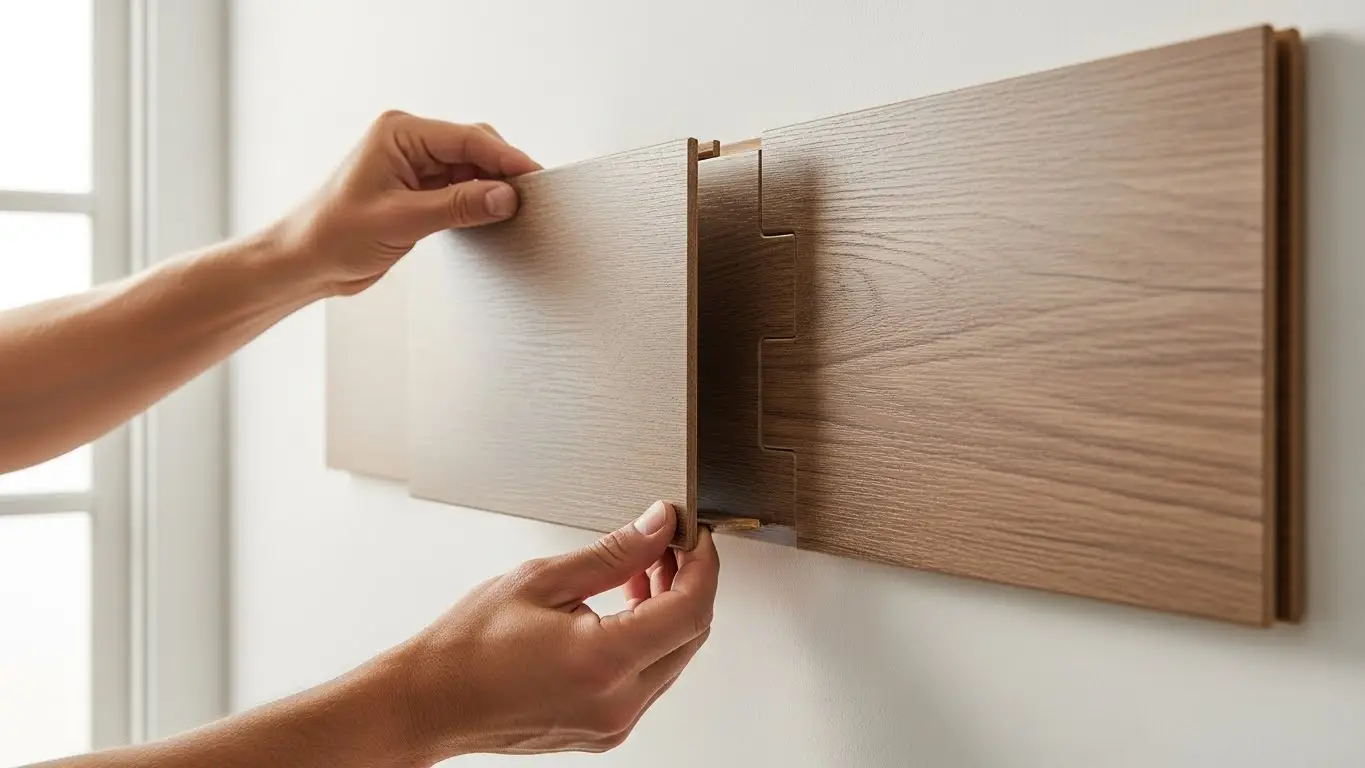
High-quality panels like WPC can last 20 to 30 years, but only if installed correctly.
Professional Installation Steps:
- Acclimatization: Let panels sit in the room for 48 hours to adjust to local humidity.
- Gap Management: Leave a 3-5mm expansion gap at the top and bottom of the wall.
- Adhesive Choice: Use a high-quality neutral silicone or structural adhesive that remains flexible after curing.
Maintenance Checklist:
- Dusting: Use a soft-bristle brush or microfiber cloth weekly to keep the grain patterns sharp.
- Cleaning: Use mild soap and water. Never use abrasive scrubbers or bleach.
- Protection: Avoid placing high-heat lamps directly against WPC surfaces to prevent localized warping.
Frequently Asked Questions
Are wood grain wall panels better than real wood?
Yes, for most modern applications. WPC and SPC panels offer the same aesthetic as real wood but are waterproof, pest-resistant, and require zero staining or sealing, whereas real wood can warp and rot over time.
How long does wood grain cladding last?
High-quality WPC and SPC panels typically last between 20 and 30 years. Their composite structure makes them resistant to corrosion, mold, and environmental damage that usually limits the lifespan of traditional timber.
Can I install wood grain panels over existing tiles?
Yes, SPC and lightweight WPC panels can be installed over tiles using a strong structural adhesive, provided the tiles are clean, flat, and securely bonded to the wall.
Do wood grain panels fade in the sun?
Indoor-rated panels may fade if exposed to constant direct sunlight. However, co-extruded panels with UV inhibitors are specifically designed to resist fading and maintain their original look for decades.
What is a B1 fire rating for wall panels?
A B1 rating signifies that the material is "difficult to ignite." It is a technical standard (often Euroclass B) that means the panels are flame-retardant and safe for use in both residential and most commercial interiors.
Which panel is best for a humid bathroom?
SPC or specialized co-extruded WPC panels are best. For 100% waterproofing in shower zones, SPC (Stone Plastic Composite) is the most reliable choice as it contains no organic wood fibers that could absorb moisture.
Conclusion
The best wood grain wall cladding panels of 2026 bridge the gap between high-end architectural design and practical, low-maintenance living. Whether you choose the eco-friendly profile of bamboo fiber or the indestructible core of SPC, focusing on texture and technical ratings will ensure your space remains timeless.


