



Contents
HSCS
Selecting Composite Wall Panels Based on Structure, Performance and Application
The composite wall panels are gaining popularity in the residential, commercial and hospitality sectors as it is a combination of multiple layers of materials and provides an integrated wall solution.
But not every composite panel will offer the same performance. Some are simply decorative finishes, others have extra features like water resistance, insulation or enhanced durability.
When it comes to choosing a composite wall panel, there's more to consider than just looks or thickness for architects, contractors and distributors.
Before purchasing, the internal structure, surface material, installation method and requirements of the project should be considered.
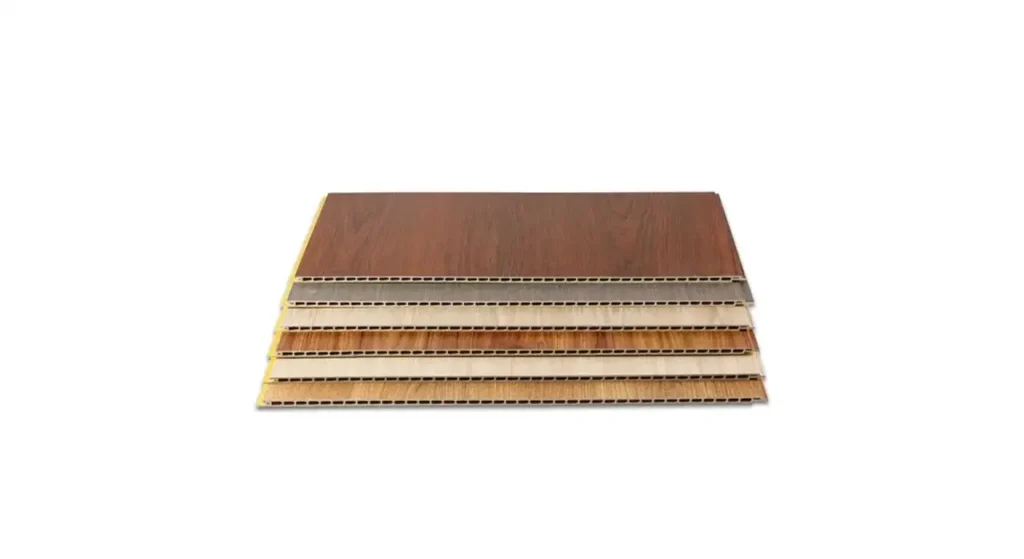
What is Composite Wall Panels?
The composite wall panels are building materials which consist of two or more layers of material that each have a specific function.
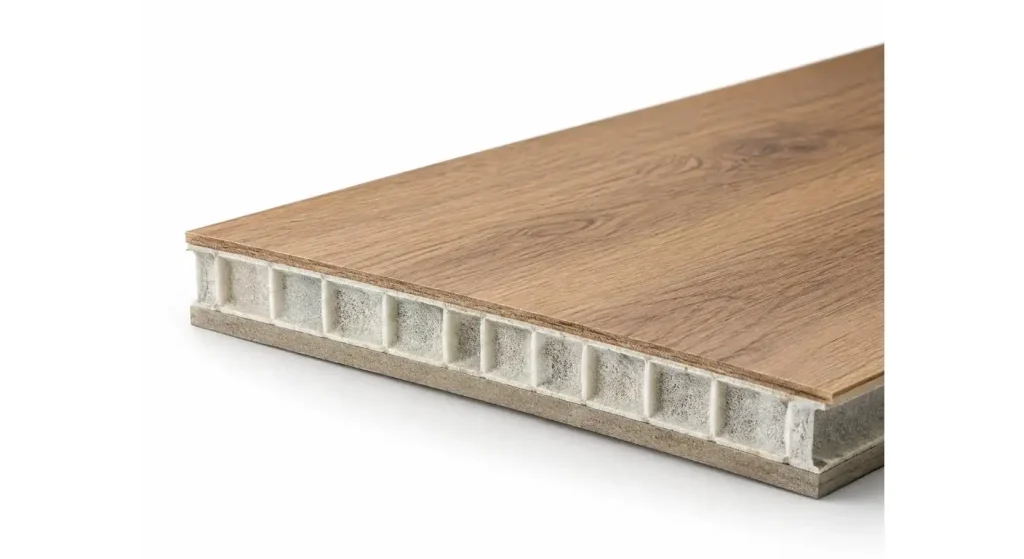
A typical composite panel will consist of a decorative surface layer, structural core layer and protective backing layer.
The various combinations result in varying performance features.
Wood-plastic composite panels, for instance, prioritize natural look and water resistance; and insulated composite panels can also feature extra thermal cores.
HSCSDECOR's Wood Plastics Composite Integrated Wall Panel is a decorative surface panel which also has integrated panel construction for interior use.
The first step is to understand the panel structure as the same panel description – “composite wall panel” – can be used for very different products.
Identify the Project Requirement and begin the process.
The final choice of the composite wall panel will rely upon the location and application it is being used for.
When it comes to residential renovations, it's possible that appearance and simple installation and maintenance are the first things on the list.
Hotels, offices and commercial buildings might expect greater durability, moisture proofing and uniformity of look and feel over expansive areas.
In areas where water is present, like bathrooms or kitchens, there is a need for extra water resistant and water sealing of the joints.
Higher resistance to weather conditions and temperature fluctuations may be necessary for outdoor applications.
Buyers should take care to specify before selecting a supplier:
- Installation location
- Required appearance
- Environmental conditions
- Expected service life
- Maintenance requirements
This is good for avoiding just selecting a panel for surface design.
Know about Composite Panel Structure and Materials
The performance of a composite wall panel mainly depends on its layer design.
The appearance and its resistance to scratching or staining is a surface layer.
Weight, strength and potential insulation properties are affected by the core layer.
The backing layer helps to provide stability and installation performance.
The specific combination is dependent upon the project.
For instance, easier handling interior panels might be more important with lighter weight products, or commercial applications might need more impact resistance.
HSCSDECOR WPC Wall panel Interior is the wall panel interior made of WPC material with decorative surfaces.
When evaluating suppliers, buyers need to ask for detailed information on each layer, rather than just the final look.
Determine beyond the obvious.
Measurable properties should be used to judge a high quality composite wall panel.
Factors such as moisture resistance, dimensional stability, surface durability and installation compatibility are important.
Although a showroom panel might appear good, it may not behave as intended once subjected to long-term exposure to humidity, temperature variations or frequent cleaning.
In commercial applications a further factor, such as fire classification, impact resistance or acoustic performance can also be of significance.
The purchaser shall obtain all technical documents available and verify the validity of the test data to the specific model of the product being purchased.
Words like ‘waterproof' or ‘ecofriendly' in the marketing description always need to be backed up with product specifications.
| Evaluation Item | What to Check | Required Information |
| Panel Structure | Layer composition | Surface, core and backing materials |
| Moisture Performance | Water resistance capability | Test data or specification |
| Surface Durability | Scratch and stain resistance | Product performance information |
| Installation Method | Fixing and connection system | Installation guide |
| Application Suitability | Indoor or outdoor use | Recommended applications |
Making composite wall panels a viable alternative to traditional wall materials.
One of the reasons behind most people's choice of composite panels is that they are more convenient to install than the traditional wall finishing techniques.
Installing time can be reduced and replacement may be easier using composite panels than ceramic tiles.
They can offer greater protection to the surface of the wall and better texture than wallpaper or paint.
But, the limitations of each material varies.
Appropriate wall preparation and fixing techniques may be needed for composite panels.
Their choice should be based on the environment and not be indiscriminate - replacing all traditional materials.
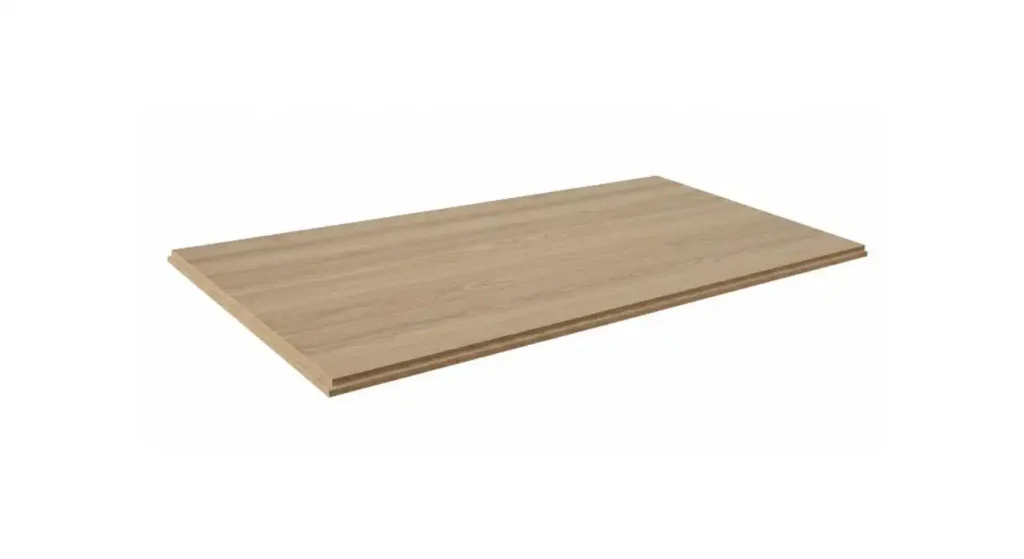
Additionally, HSCSDECOR offers the Interior Decorative Wall Panel solutions for modern interior finishing projects.
Take installation and maintenance requirements into account.
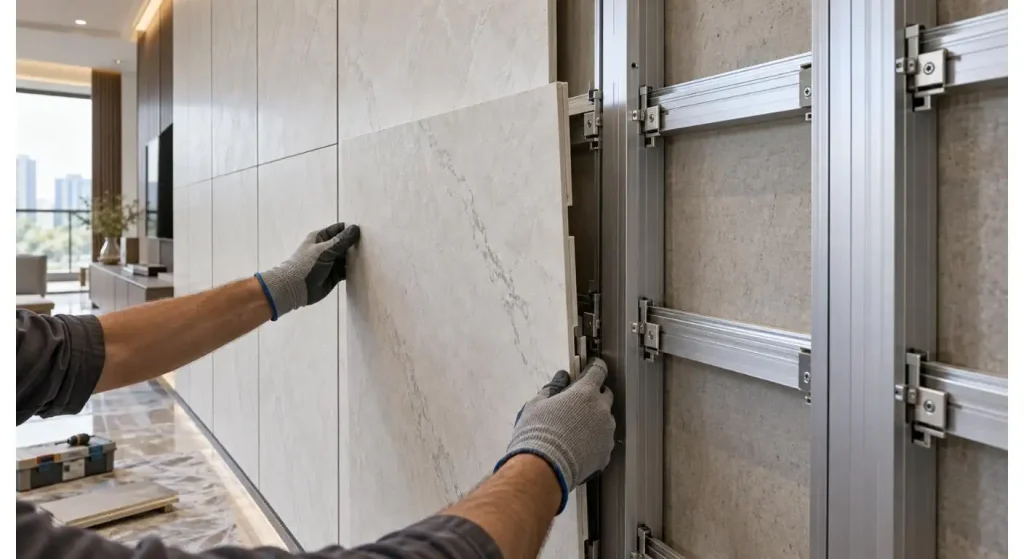
The quality of installation to which the composite wall panels are used depends directly on the performance of the panel itself.
If fixed improperly, if the substrates are not even and the joints are not treated properly, the appearance and durability can be affected.
Prior to ordering, buyers are to be advised to confirm:
- Panel dimensions
- Connection method
- Required accessories
- Installation sequence
- Maintenance recommendations
If the project is large, it is advisable to install a sample before the wide-spread installation.
This will enable contractors to assess alignment, cutting requirements and finishing details.
A good supplier would offer clear instructions on installation as well as panels.
Before you make a purchase, review the supplier documents.
Don't just look at product pictures and quotes when evaluating suppliers.
Some crucial documents could contain:
- - Product specifications
- - Material composition information
- - Installation instructions
- - Test reports
- - Sample approval records
HSCSDECOR's WPC Wall Panel Normal Panel (V Seam) is an example of why it is important for buyers to check and verify the precise panel profile, size and structure before placing bulk orders.
Stable product quality from batch to batch is particularly critical to distributors and contractors.
The trial is available for everyone to use so that users can try it out before placing bulk orders.
A sample installation is used to ascertain if the product meets project requirements.
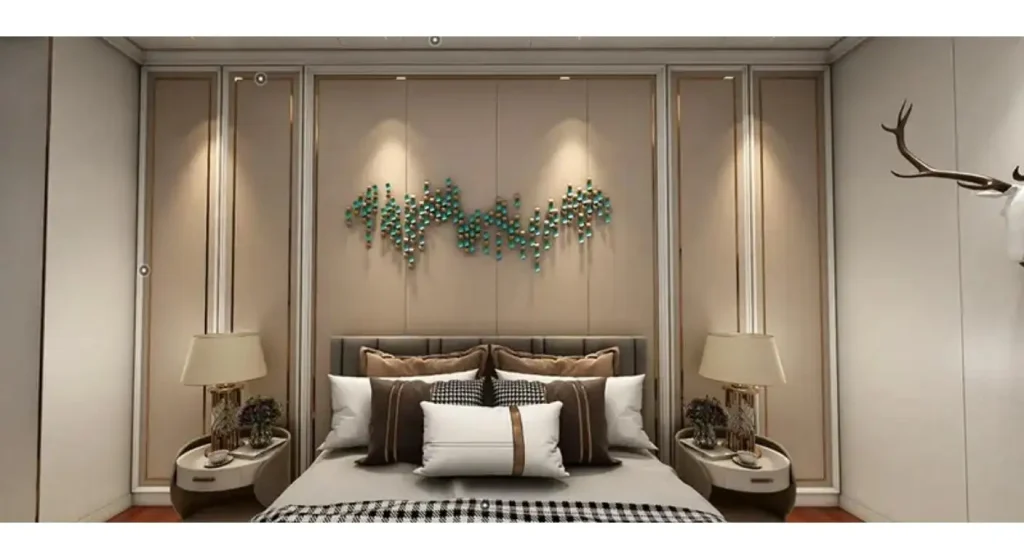
The assessment should comprise of:
- Surface appearance
- Color consistency
- Joint alignment
- Cutting performance
- Installation efficiency
When testing a panel for commercial projects, there may be some things that the panel can't let you know that testing the panel in the real environment can show.
Sample approval process helps to reduce risk prior to large scale purchase.
| Inspection Area | Evaluation Method | Acceptance Focus |
| Surface Finish | Visual inspection | Consistent appearance |
| Panel Joints | Trial installation | Accurate alignment |
| Cutting Process | On-site cutting test | Easy processing |
| Installation Speed | Time evaluation | Efficient construction |
| Final Appearance | Completed sample review | Meets design requirements |
Conclusion
Association of modern construction with interior design projects, flexible solutions are provided in composite wall panels.
But there's more to selecting the best than just looks. It is only by considering structure, materials, installation requirements and project conditions that a panel can provide long-term performance.
Buyers can review the technical information and samples prior to buying, and choose composite wall panels more suitable for their application.
FAQs
Q1. What are composite wall panels made of?
Typically, composite wall panels are a combination of several layers, including decorative finishes, cores and backings. This composition varies, depending on the product type.
Q2. Are composite wall panels water tight?
Certain panels can be moisture resistant, although waterproofing will be determined by panel construction and installation specifics.
Q3. Are composite wall panels going to become an alternative to conventional tiles?
They can be used as an alternative to some of the conventional wall finishes, in appropriate uses. This selection is based on the environment and project needs.
Q4. Can composite wall panels be used in commercial buildings?
Yes. When aesthetics and durability are taken into account, many composite panels are employed in retail, offices and hotels.
Q5. What do buyers need to know about before ordering composite wall panels?
Material structure, specifications, material installation requirements, test documents, sample performance.


