



Custom Solid Wood Slat Panels Explained: Finishes, Grades, Stability
Custom Solid Wood Slat Panels are often chosen for one simple reason: they make a space look warmer and more intentional, without forcing designers to rebuild the entire wall system. But for new buyers, the first quote and the first sample can also bring confusion. Why does one panel look "premium" while another looks similar in photos? Why do some slats stay straight for years, while others show small gaps or slight cupping after one season?
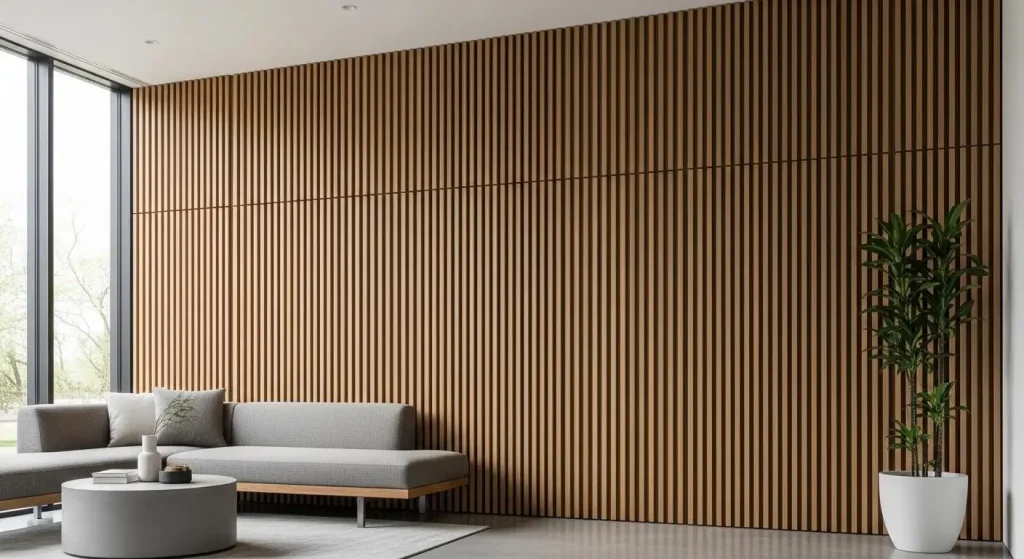
At Hengsu, we manufacture Custom Solid Wood Slat Panels for residential, retail, hospitality, and commercial interiors. In this guide, we explain the three topics that decide long-term satisfaction: finishes, wood grades, and stability—in a practical order that helps you buy with confidence.
What Custom Solid Wood Slat Panels Really Are (And What They Are Not)
Custom Solid Wood Slat Panels are decorative and functional wall/ceiling elements made from real wood slats, built to a repeatable spacing and visual rhythm. They are commonly used for feature walls, reception backdrops, corridor ceilings, showroom zones, and "soft acoustic" areas where people want a calmer feel.
A buyer-friendly way to understand them is to separate appearance structure from material behavior. The appearance is what you see: slat width, spacing, shadow line, and tone. The behavior is what you live with: how the wood reacts to humidity, temperature, and installation method.
Here is the simple mindset we recommend: solid wood gives you a natural look, but it also brings natural movement. Your job as a buyer is not to "eliminate movement." Your job is to choose specifications that control movement and keep the panel stable in real interiors.
• Choose slat geometry that suits the viewing distance
• Match finish and color to lighting conditions
• Confirm stability controls before you confirm a price
Finish Options Explained: Color, Protection, and Touch
Finishes do two jobs at the same time: they set the final visual tone, and they protect the wood surface from daily contact. For Custom Solid Wood Slat Panels, the finish choice is not only about "matte vs. glossy." It also affects how fingerprints show, how easy cleaning feels, and how the panel ages.
Most interior projects favor matte or low-sheen finishes because they hide small scratches and reduce glare from spotlights. For retail or hospitality areas, a stronger protective topcoat is often selected to improve wear resistance.
• Matte finishes reduce reflection and look more natural
• Deeper stain tones can visually "tighten" a space with strong lighting
• Clear coats highlight grain, but also reveal natural color variation
How to Choose a Finish for Real Environments
Use the end-use scene as your filter. For example, a lobby wall touched by many visitors should prioritize cleanability. A bedroom feature wall may prioritize warmth and softness. If the project uses warm lighting, darker stains often look richer. Under cool lighting, the same stain can appear flatter.
From a practical manufacturing standpoint, good finishing also requires controlled moisture and even absorption. Solid wood can absorb stain differently from piece to piece. That is not a defect—it is the nature of real wood. The solution is consistent material selection, consistent sanding, and a finishing process designed for repeatability.
Wood Grades: What You Can Expect to See
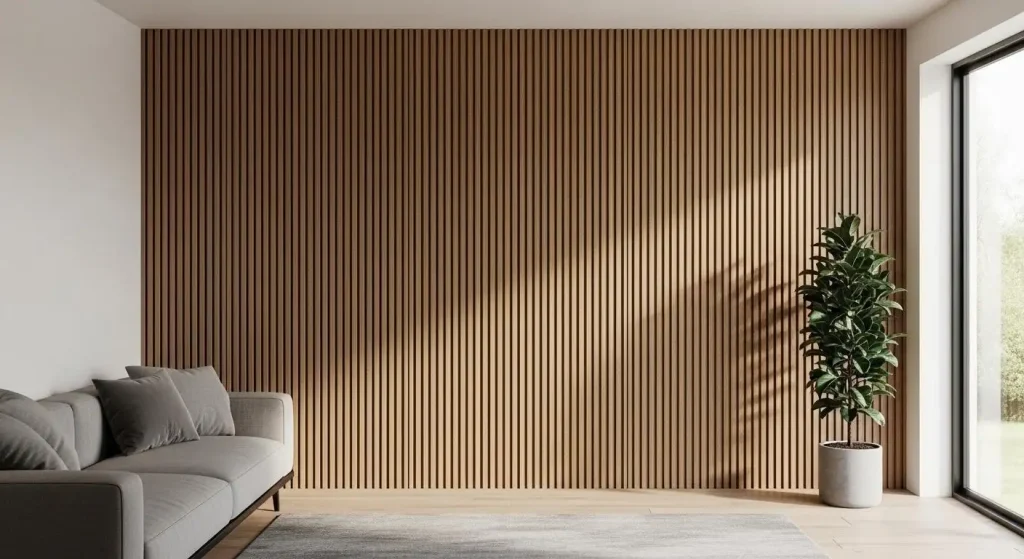
New buyers often assume "Grade" means one thing. In reality, grade is a short way to describe visual rules: how many knots are allowed, how mineral streaks are treated, how color variation is sorted, and whether repaired spots are acceptable.
With Custom Solid Wood Slat Panels, you should pick a grade based on the viewing distance and the brand image you want. A close-up boutique wall may need a cleaner appearance. A large feature wall in a casual venue may benefit from more natural character.
• Cleaner grades reduce knot frequency and create a calmer visual field
• Character grades show more natural features and feel more "authentic"
• Stable supply depends on species selection and sorting discipline
What "Natural Variation" Means in Solid Wood Panels
Solid wood is not printed film. Two slats cut from the same log can still show different grain direction and tone. In many modern interiors, that variation is considered a premium characteristic. The key is to decide how much variation is acceptable before production starts, then confirm it with a control sample.
At Hengsu, we guide buyers to approve samples under the same lighting used in the project when possible. This simple step reduces "surprise difference" after installation, especially for medium-dark stains.
Stability Matters Most: Moisture, Movement, and Wall Conditions
If there is one topic that deserves extra attention, it is stability. Solid wood is hygroscopic, meaning it exchanges moisture with the surrounding air. When humidity rises, wood tends to expand; when humidity drops, it can shrink. This is why stability is a specification topic, not a marketing phrase.
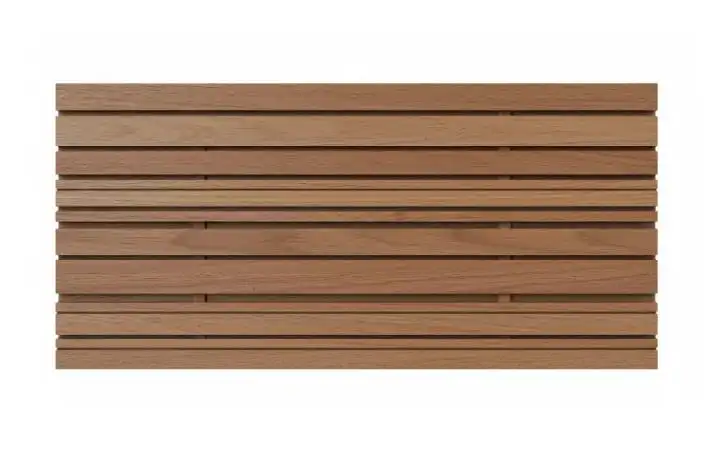
For many interior applications, a commonly used target range for wood moisture content is about 8%–12% at the time of installation, depending on climate and site conditions. If panels are installed in a space that is not yet climate-controlled, the risk of later movement increases.
• Install after the site is dry and HVAC conditions are stable
• Use stable construction details that resist warping and twisting
• Confirm wall flatness and fixing method before final sizing
How Hengsu Builds Stability Into Custom Solid Wood Slat Panels
Stability is created through a combination of correct material conditioning, controlled machining, and smart design choices. Geometry matters. Very thin slats can look elegant, but they can also be more sensitive to movement. Proper backing design and correct fastening reduce the risk of waviness over time.
We also recommend buyers treat stability as a system decision: panel design + wall condition + installation method. A stable panel can still look unstable if the substrate is uneven or if fixing points are not planned.
A Practical Spec Checklist for New Buyers (Use This Before Requesting a Quote)
When buyers request Custom Solid Wood Slat Panels pricing with only one sentence—"solid wood slat wall"—the quote will be less accurate and the project will face more revisions. A short checklist makes communication faster and results more predictable.
• Application: wall, ceiling, partial feature zone, or full coverage
• Visual pattern: slat width and spacing rhythm (even small changes alter the look)
• Finish: clear, stain, or paint; matte/low sheen preference
• Grade target: clean vs. character appearance rules
• Site conditions: interior humidity control, installation timeline, and substrate type
• Quantity and delivery: area coverage, packaging needs, and shipping destination
This checklist is not meant to slow you down. It helps you avoid the two most common risks: choosing a finish that looks different under real lighting, and choosing specs that do not match the building environment.
Why Choose Hengsu for Custom Solid Wood Slat Panels
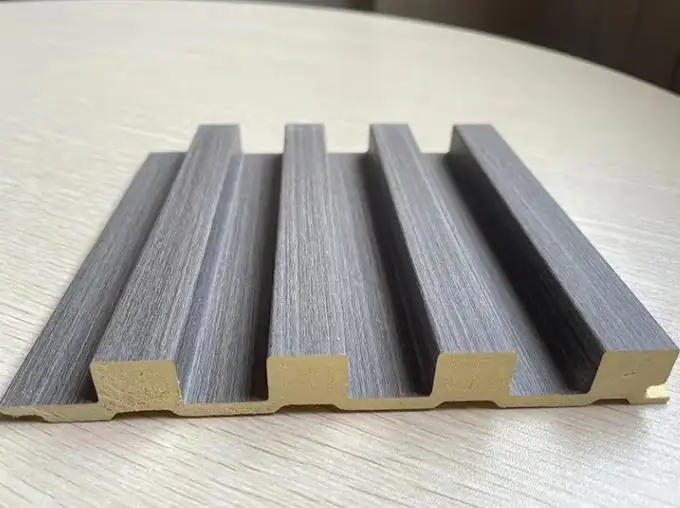
Hengsu supports buyers who want panels that look professional on day one and stay consistent after installation. We approach Custom Solid Wood Slat Panels like a repeatable manufacturing product, not a one-time craft piece. That means clear sampling rules, stable production controls, and a practical specification process that new buyers can follow.
If you are developing a retail program, a hotel wall concept, or a residential upgrade line, we can help you align finish, grade, and stability with your market position—without overcomplicating the decision.
CTA (Call-To-Action):
Ready to source Custom Solid Wood Slat Panels? Contact Hengsu with your project details and volume plan. We will recommend the right configuration, prepare samples for approval, and deliver a cost-effective proposal engineered for reliable installation.


