



Contents
HSCS
Low-Cost WPC Wall Panels: Can They Handle Heat, Sun, And Wear?
Low-Cost WPC Wall Panels are often chosen for fast renovations, but new buyers usually ask one practical question first: can an affordable panel truly handle heat, sun, and daily wear without turning into a "replace-it-next-year" project? At Hengsu, we see this question across retail, contractor bids, and brand customization programs. The good news is that WPC (wood-plastic composite) is not a fragile "decor-only" material when it is designed and installed correctly. The risk is not the concept of WPC. The risk is buying without understanding what actually controls durability.
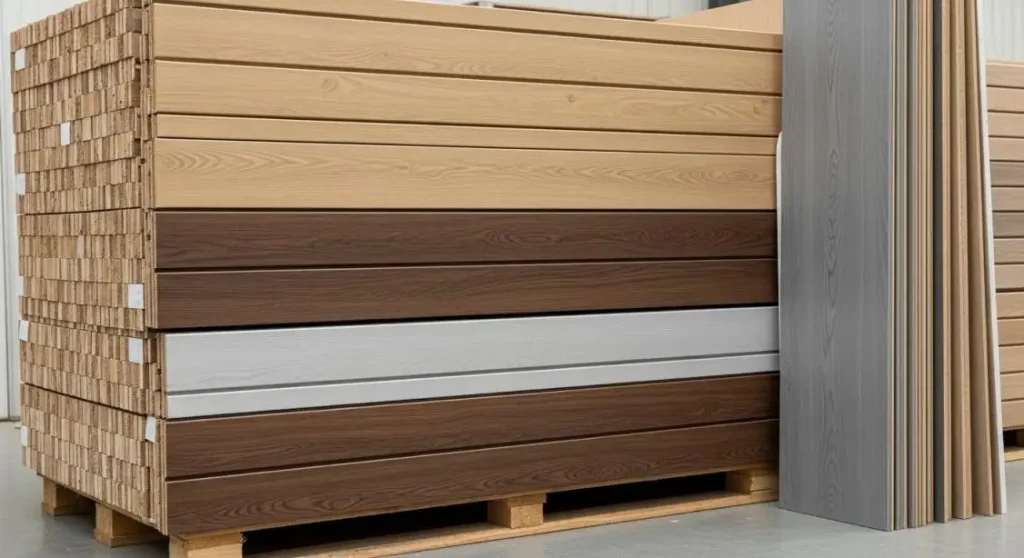
Below is a clear, buyer-friendly way to judge whether Low-Cost WPC Wall Panels match your climate and usage, and what simple choices protect performance in 2026 projects.
What Heat Really Does to Low-Cost WPC Wall Panels
Heat does not "melt" a properly made WPC wall panel in normal architectural use. The real issue is thermal expansion and surface temperature. On sunny days, dark-colored surfaces can get far hotter than the air around them. In many regions, a wall surface can reach 60–70°C under strong sun even when the air temperature is lower. That heat cycle repeats every day, and materials expand and contract.
For Low-Cost WPC Wall Panels, heat tolerance is usually about two things: material formulation and installation design. WPC is a composite, so the polymer matrix and the wood content must be balanced. Too much filler or unstable recycled content can make movement less predictable. At the same time, even a good panel needs space to move.
• Plan proper expansion gaps at edges and joints (many installers use 3–5 mm as a practical reference, depending on profile and layout)
• Avoid forcing tight "zero-gap" fitting near corners, trims, and window lines
• Use compatible trims and fasteners designed for WPC movement
When buyers treat heat as a "design condition," not a surprise, Low-Cost WPC Wall Panels can stay flat and stable for long-term projects.
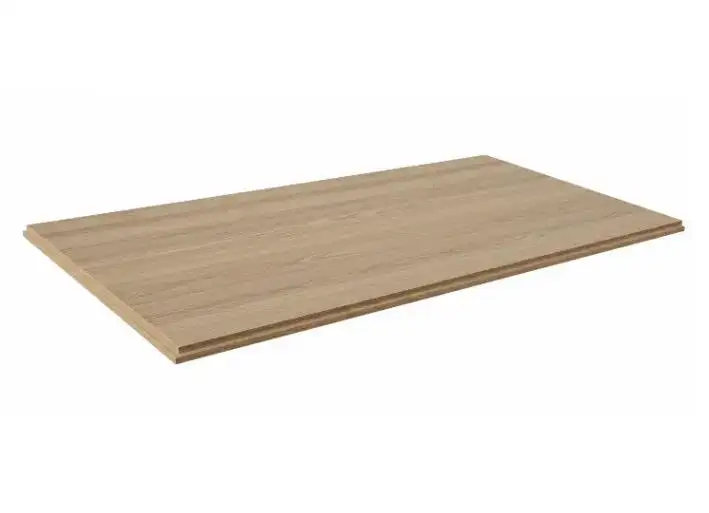
How Sun and UV Exposure Age the Surface
Sunlight is not only "brightness." The most damaging part for exterior-facing surfaces is UV. UV slowly breaks down surface polymers and can cause fading, chalking, or a dry-looking finish if the surface is not protected.
This is where product structure matters. Many modern WPC wall panel designs use a co-extruded cap layer (a thin protective surface layer). For buyers, the cap is the "sunscreen." It is often the difference between a panel that keeps a clean look and one that starts to look tired too early.
What to Look for in UV-Ready Panels
Instead of chasing marketing terms, look for how the supplier explains sunlight performance:
• A clear description of surface protection (such as a co-extrusion cap layer)
• UV-aging testing language that matches real industry practice (many suppliers use hundreds to 1,000+ hours in accelerated UV exposure as a baseline reference)
• Color strategy for your climate (mid-tones often hide aging better than very dark or very bright tones)
At Hengsu, we guide buyers to select the right surface system for the project’s sun exposure. If the wall faces strong afternoon sun, the surface structure matters more than small price differences.
Wear, Scratches, and Cleaning: The Real Daily-Life Test
Wear resistance is not only about being "hard." It is also about how the surface hides small marks and how easy it is to clean. New buyers sometimes expect a wall panel to behave like ceramic tile. That is the wrong comparison. A better comparison is "a durable architectural surface designed for daily contact."
For Low-Cost WPC Wall Panels, wear performance depends on texture, cap layer, and how the wall is used. A hallway, a retail aisle, or a waiting room wall sees repeated contact: bags, shoes, carts, and routine wiping. A TV background wall in a living room is lower wear.
• Choose textures that naturally hide micro-scratches (woodgrain and matte textures are often more forgiving)
• Confirm the cleaning method (mild detergent + soft cloth is usually the correct direction; harsh solvents can damage surfaces)
• Define the use zone: high-touch areas may need more protective surface options than decorative zones
A practical buyer mindset is: wear resistance = surface design + cleaning discipline + correct expectations. Hengsu can recommend a profile and surface finish based on where the wall will actually be used.
Moisture, Heat, and the "Warping" Misunderstanding
Many buyers mix up heat issues and moisture issues. WPC is widely selected because it is more moisture-friendly than many traditional wood-based boards. However, "moisture-friendly" does not mean "ignore water management."
If moisture gets trapped behind panels, heat can amplify the problem by accelerating expansion cycles and stressing joints. This is why professional projects treat wall panels as part of a system, not a standalone decoration.
• Ensure the substrate wall is dry, clean, and stable before installation
• Use a sensible ventilation or spacing design if the wall is in a humid area
• Avoid sealing water inside the structure at corners or bottom edges
When you combine basic moisture discipline with correct gaps for expansion, Low-Cost WPC Wall Panels become a reliable option for many indoor and semi-outdoor design needs.
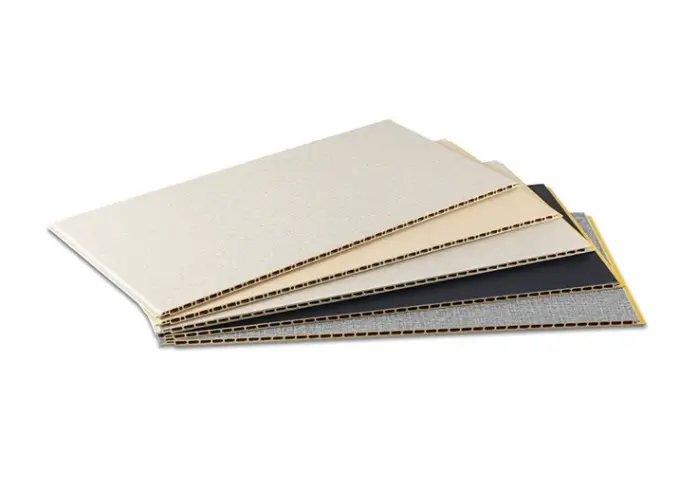
Installation Choices That Decide Performance More Than Price
A surprising fact for new buyers is that "panel failure" is often an installation issue before it is a material issue. Even premium panels can look bad if the wall is uneven, the fasteners are wrong, or expansion space is ignored.
Simple Installation Rules For Long Service Life
These points are not complicated, but they protect your outcome:
• Keep the layout straight and allow for movement at every edge
• Use compatible trims so the panel can expand without buckling
• Follow a consistent fastening method (avoid random spacing that creates stress points)
• Treat sunlight-facing walls as higher-risk zones and design accordingly
At Hengsu, our role as a manufacturer is not only to supply panels. It is to help buyers match the installation method to the climate, wall condition, and expected service life, so your "low-cost" decision stays cost-effective after installation.
Hengsu CTA: Get a Heat-And-UV-Ready Panel Recommendation
If you are sourcing Low-Cost WPC Wall Panels for a hot climate, strong sun exposure, or high-traffic interior spaces, do not guess based on photos alone. Send Hengsu your basic project facts—installation location (indoor/outdoor exposure), wall size, target color tone, and expected daily contact level. We will recommend a practical panel structure and installation approach that helps your walls handle heat, sun, and wear in real use, and provide a cost-effective quotation for your order volume.
• Share your project scenario and target market positioning
• Ask for surface and profile suggestions based on exposure level
• Request samples to verify color, texture, and cleaning feel before mass order
When buyers learn what drives durability, Low-Cost WPC Wall Panels stop being a "budget compromise" and become a controlled, predictable material choice for 2026 projects.


