



Contents
HSCS
Exterior Wall Cladding Australia: Evaluate WPC for Your Project Requirements
Finding the exterior wall cladding Australia can result in good looking finishes but fail to address the questions that establish suitability. Even if the desired look is the same, a coastal renovation, a sheltered suburban home and a building in a bushfire prone location will require different assessments.
The project brief is a helpful beginning point for the Australian designer, builder or import buyer. Hengsu do supply an exterior WPC category, however the product proposed, supporting documents and installation details must be checked for the particular Australian application should they wish to purchase from an overseas supplier.
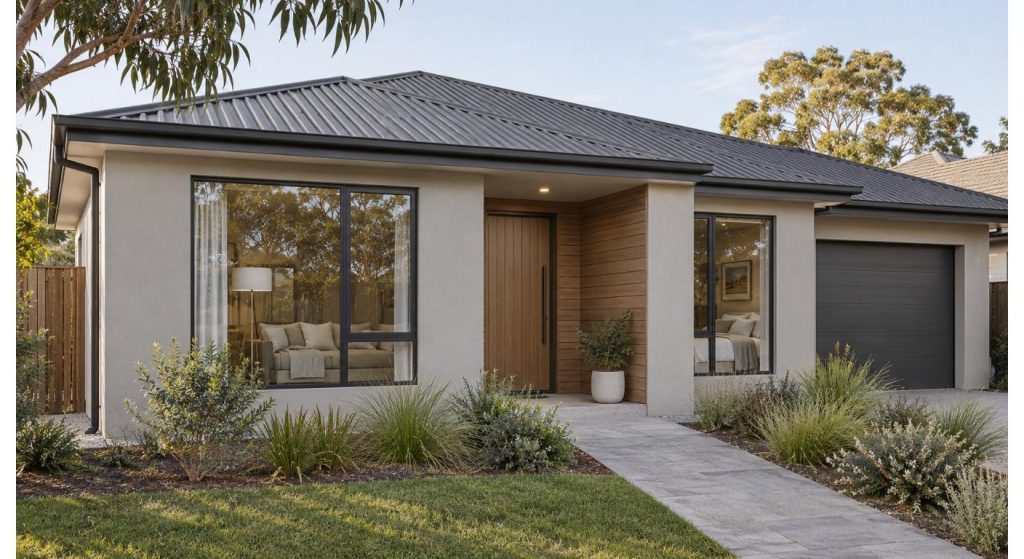
Set up the Project prior to comparing materials.
Document the site address, building use, proposed area of cladding and if the work is a renovation or new construction. Before creating a product shortlist, have the project team define the type of building, applicable construction parameters and the approval procedure.
Verify the edition of the National Construction Code and Jurisdictional arrangements with the building professional in charge. Each state/territory will have its own adoption and transition arrangements which may not be applicable to a nationally marketed statement.
With a clear brief, the supplier can specify the product they are proposing to supply, the arrangement of fixing and the package of documentation.
Determine the True WPC Product on the outside!
Hengsu's WPC wall panel exterior range refers to the exterior decoration of wood-plastic composite materials. Use the category as a first point of reference for an enquiry, rather than as an indication that all profiles or finishes are appropriate for all Australian buildings.
Ask for the specific product code, composition, cross section, dimensions and surface construction. Make sure the product they intend to install is clearly labeled as being for exterior use and that they have the directions that match the product.
Use the same identity on the technical documents, drawings, quotation and sample. Two products can't be interchangeable if they have the same woodgrain look. Any difference in material, thickness, profile, or finish should be noted prior to the project team's review of the evidence.
Explain what Exposure Elevation by Elevation is.
Advise supplier of walls exposed to strong sun, driving rain, shelter and/or salt exposure. Know where wind conditions and/or maintenance accessibility might be of concern. There are multiple facets to the building's climate description.
Inquire about the weathering and durability of the product of choice. Discuss the possibility of finish changes, and whether or not the warranty covers the intended application. UV resistance does not mean that colour will not fade.
If the project is located in a coastal area, review compatibility and durability of metals and other related elements. The visible board is just a component of the system. Ask for the designer and supplier's advice instead of choosing a fastener just because it's listed as being made of stainless.
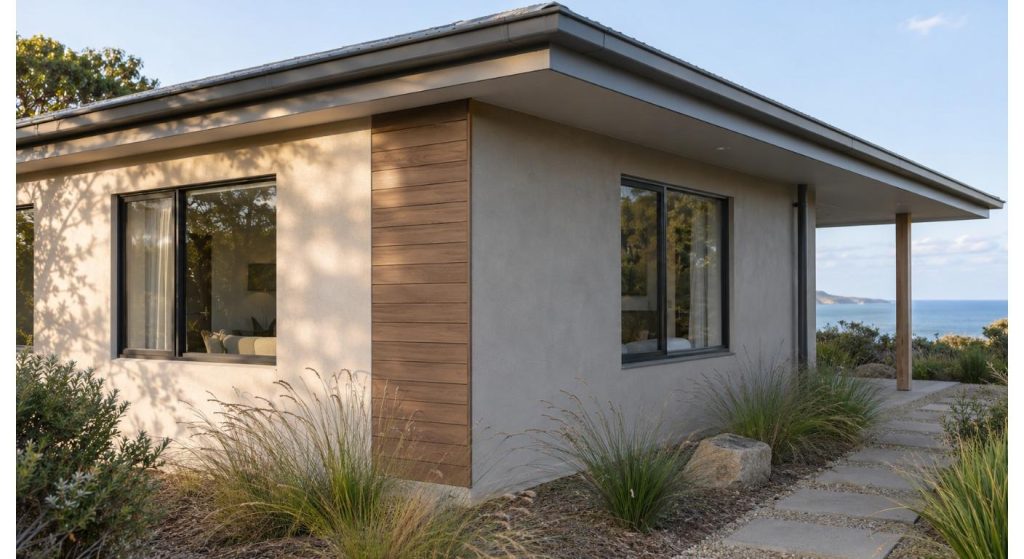
Re-read the Fire and Bushfire Questions on their own.
Requirements relating to general external wall fire and bushfire exposure are related but different design issues. If a product is labelled as flame retardant it does not automatically mean that it has been tested for non-combustibility, a wall fire-resistance rating, or to a specific Bushfire Attack Level.
If the site is identified as being bushfire prone, have the appropriate site assessment and construction requirements identified prior to choosing the cladding. Request proof for the specific product and plan. A BAL classification must not be assumed based on a small flame demonstration or certificate not related to the specific application.
Requirements may exist in other projects which would preclude use of a proposed WPC product. It should be sorted out by the design team prior to purchasing. Decorative preference can never be a substitute for evidence required for the pathway to building and approval.
Design for Water Management and Drying
The wall system containing cladding and its support, membrane, joints and insulation should be evaluated as a whole. A moisture resistant panel is not waterproof. Inquire about the method for dealing with rain reaching joints or openings in the proposed system.
Ask the designer to include comments about drainage, drying and condensation concerns in the design for the specific climate and wall construction. Where applicable, verify cavity and ventilation requirements and product specific installation requirements. Don't use a standard gap from another unrelated product.
Coordinate window reveals, sills, penetrations and top/bottom of cladding. These interfaces should not only share a matching decorative trim, but they should also be built with agreed construction details. Get information prior to ordering to avoid "site improvisations" due to missing parts.
Tell students to ask for evidence that will address the intended use.
Request documents on the Hengsu's certification page. Request full report and any applicable certificates to be readily visible, including the product identity, test method, issuing body, and scope. Exterior-wall suitability is not based on an emissions report or general company certificate.
Review the evidence to see if it is relevant to the proposed substrate, fixings, joints, orientation and backing. If the report references an alternate arrangement, ask additional questions and have the project professional responsible for the report make a determination if additional evaluation is necessary.
Separate supplier information and project acceptance. The supplier supplies evidence for the product and the Australian project team identifies the evidence as it relates to the specified use. Don't use the term Australian certified if a valid document and scope cannot be identified.
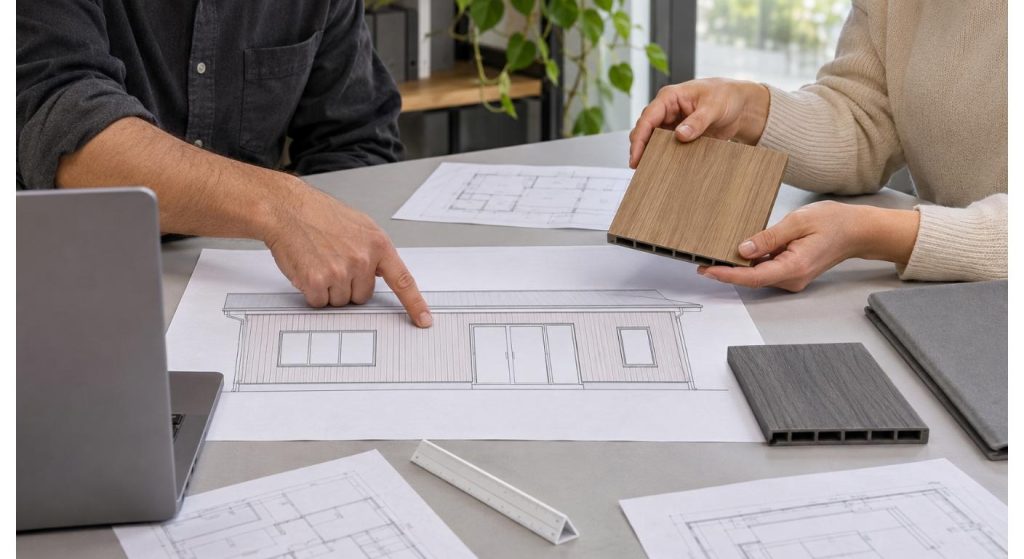
To convert the Accepted Design to an Import Order.
After the proposed system has been reviewed, make an elevation based quantity schedule. Check for usable coverage, board lengths, allowable joints, accessories and cutting allowances. Add support and fixing items required outside of the book.
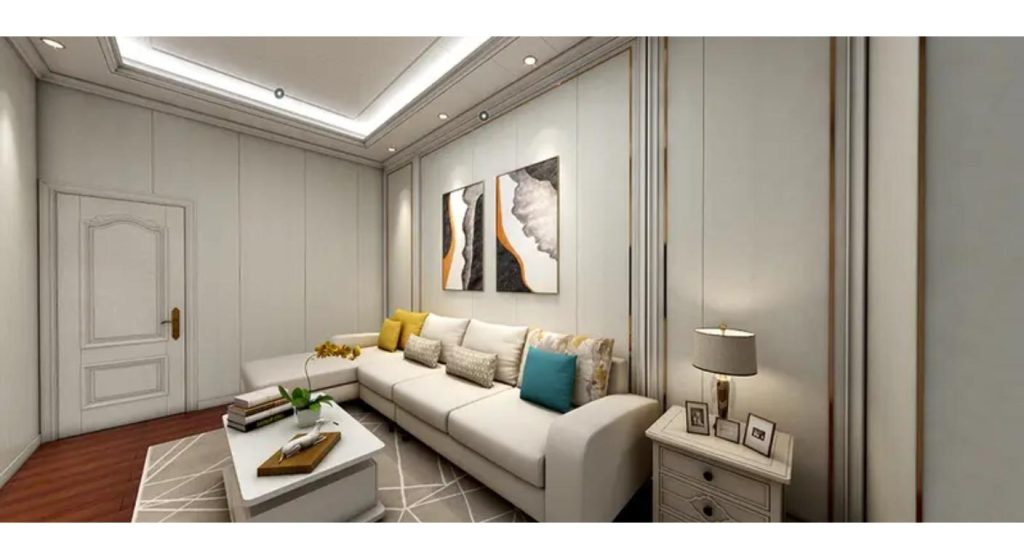
Inquire about the size, weight, description and directions for packaging. Apply these to the planning of transporting, unloading and storing. Check lead time and replacement organization for actual order, don't expect stock onshore overseas or installation onshore.
Contact Hengsu with the approved brief, and ask for a supply proposal based on this configuration. Maintain agreed product reference and exclusions in order to avoid a change in the selection reviewed, simply as a result of commercial changes.
| Project record | Confirmation needed |
| Site brief | Location, building use, and exposure |
| Product selection | Exact code, profile, and finish |
| Technical review | Evidence and accepted scope |
| Wall design | Approved junction and fixing details |
| Import order | Quantities, accessories, and exclusions |
| Handover | Installed references and care guidance |
The appearance of the facility after the technical suitability has been approved.
Examine physical samples of proposed roof, window frames and adjacent finishes. Next, evaluate a representative mock-up with a joint and an opening/termination. Look for daylight appearance and finishing details that are functional.
Verify cleaning & inspection instructions for the provided surface. Transfer the approved Product Information and installation records to help evaluate future repairs in comparison to the product installed.
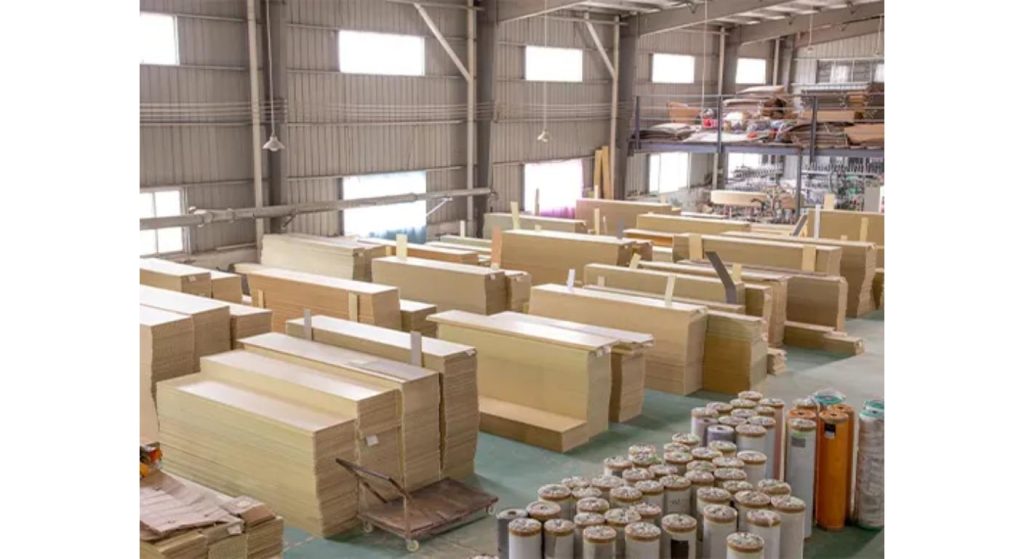
Overall, exterior wall cladding Australia is a selection job to do based on the site. Begin by considering the location, building requirements, then consider the wall scenario in its entirety and use the verified evidence obtained to determine if an exterior WPC solution should be part of the project.
FAQs
Q1. Are all exterior WPC panels appropriate for Australia?
No, this depends on the product, building, exposure, installation and requirements. Get proposed use reviewed prior to ordering.
Q2. Does a flame retardancy provide a BAL classification?
No. Ask for evidence of what it meets pertaining to the specific bushfire requirements for the specific product and arrangement. Never use a general description of fire.
Q3. Is there any one installation detail for Australia?
Not automatically. Exposure, weather, and site conditions, as well as the nature of the project, may alter the design. Follow product directions and project information as appropriate.
Q4. Does Hengsu's site say it's Australian certified?
The checked outside classification does not imply a selected system's approval in Australia. Ask for and review the necessary paperwork.
Q5. When making an enquiry, what should an Australian Buyer include?
Provide location, building details, elevations, exposure and project requirements. Include desired finishes, quantities, and desired installation pattern.
Not Next


