



Contents
HSCS
Wholesale Wall Panels: Create a Product Range That Supports Repeat Orders
Whenever a person goes to buy wholesale wall panels, it is not just about the lowest price that they pay for each of the panels. Importers and distributors must also have an easy-to-handle product line, samples that are easy to identify, accessories that are compatible with them, and an easy way to place repeat orders.
The first shipment should provide a system that is easy for sales people, warehouse and installers to understand. That would mean for Hengsu's decorative panel line, linking product selection up with clear specifications, packing information and replenishment arrangements in advance before growing the number of finishes..
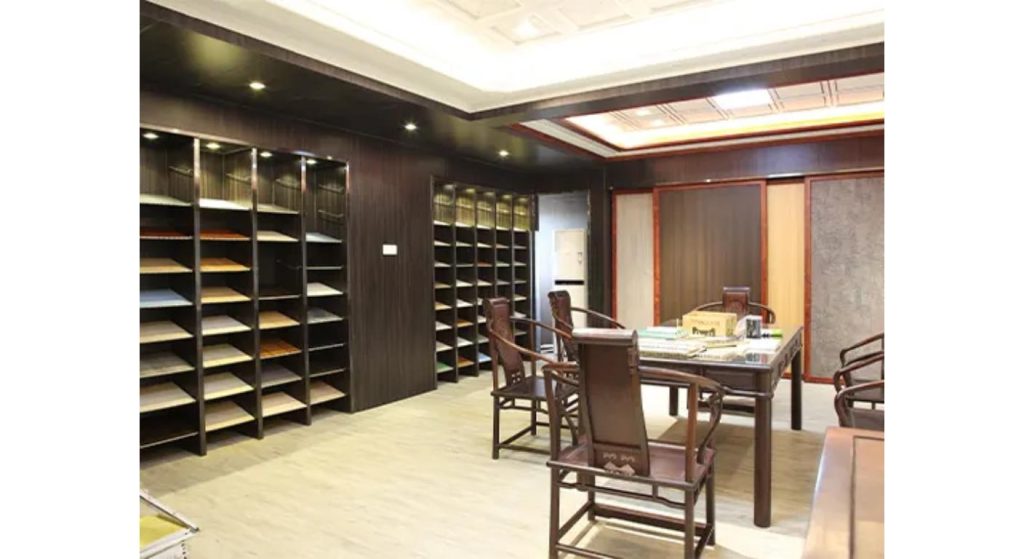
Determine if Purchase is Stock or a Supply to a Project
Stock purchases will be based on regular demand while project purchases will be based on designs and installation dates that have been approved.
Explain that before requesting a quotation, you should purchase the model. Describe the destination, intended customers, application and expected order pattern. This will enable the supplier to identify a range that can be replenished as opposed to a single combination of products.
Hengsu's WPC wall panel inside line is one beginning of an inside gathering. Choose products based on the items your customers ask for, do not use the entire catalogue of products as a proper opening product.
Keep the number of products you start with small and well-defined.
A narrow range of opening is more easily shown, described and refilled. Select profiles and finishes with different purposes to customers; evaluate if addition is of value. Demand can be split evenly without a more useful collection, between similar colors.
Plastic PVC wall panels are also listed as a separate category by Hengsu. If there are multiple representations of materials throughout the site, question how each of the chosen materials are constructed. The names of the categories and surfaces with wood finishes shall not serve as a substitute for a verified product specification.
Create an in-house stock code to match supplier's product and finish codes. Document size, effective coverage, surface, and application. This will make sure that a familiar sales name will not be used to hide a different profile, or material, in a later order.
Use Sample Collection to create an Order Reference.
Small finish swatches are useful for customers to select a color, but they cannot be used to answer all purchasing questions. Ask for a complete sample of the profile and sufficient material to examine a joint, an exposed edge and the connection between adjacent pieces of the material.
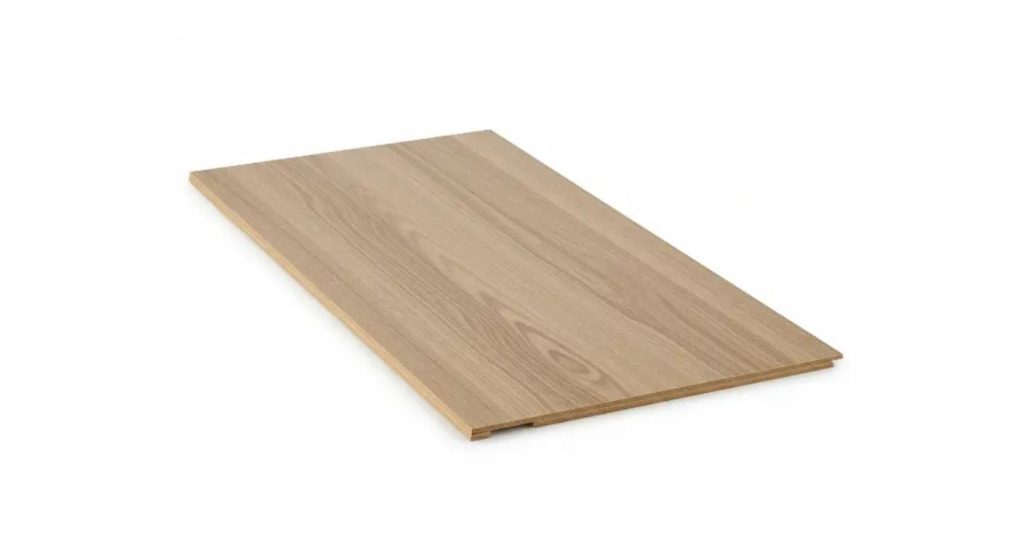
Maintain acceptable reference sample for each product stocked. Write down the supplier code and finish reference to it and make a distinction between sample approval and technical performance approval. An appealing texture is not a criterion for exterior use, wet areas, or a particular commercial application.
Inquire about future deliveries in comparison to the approved selection. Talk about acceptable variations in appearance, pattern repetition and how differences will be considered. Photographs are a valuable record but physical samples are important when colour and surface texture play a part in acceptance.
Plan and order the Accessories That Make Panels Usable
A stock range may appear complete, but not be the parts in place to complete a wall. Verify the end pieces, corner solutions, accessories and fixing pieces for every chosen profile. Inquire about those Hengsu provides and those that require sourcing.
When you order a product, like Hengsu's WPC integrated wall panel, ask for the latest sample profile drawing and installation instructions along with the decorative sample. Check on usable coverage and the dimensions of selected accessories as they apply to the actual product.
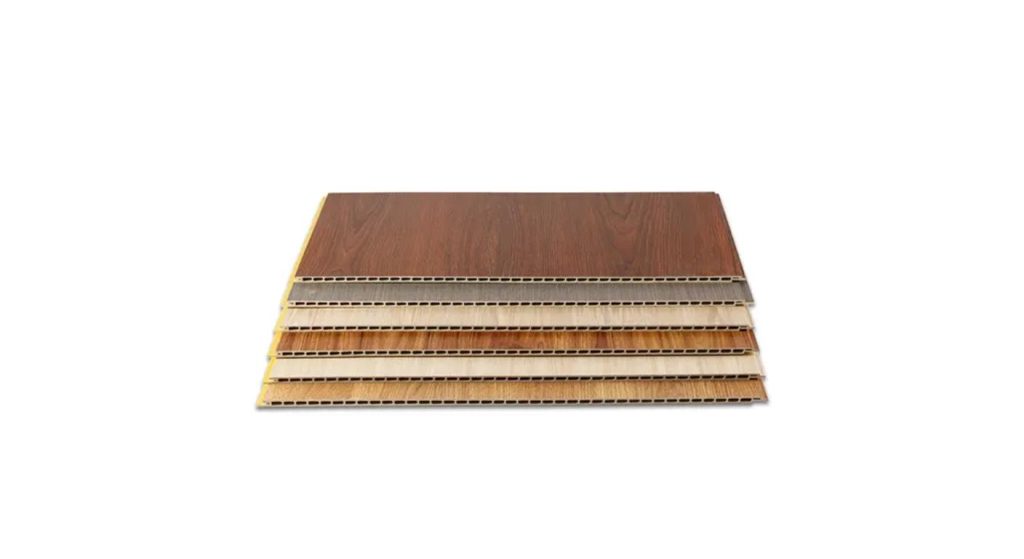
Approximate accessories to probable layouts or project drawings; teach sales personnel how to properly match accessories.
Compare that which quotes include the same selling unit.
Different amounts of panels can be expressed as a price per panel, price per carton, price per meter or price per square meter. Have the supplier include the quantity of usable coverage, the dimension of each panel and the number of panels in each pack in each quotation.
Split the costs of separate panels, accessories, packing and transport related charges. Check currency, validity of quotations, milestones for payment and delivery point named. When asking for minimum order, be sure to ask outright for any minimum per finish; do not presume it in a general wholesale enquiry.
Compare the profile or colors when one is a mixture of the other. Inquire if it has any impact on production arrangements, packing or the quoted unit price. An order breakdown helps to assess the real purchase as opposed to a headline discount.
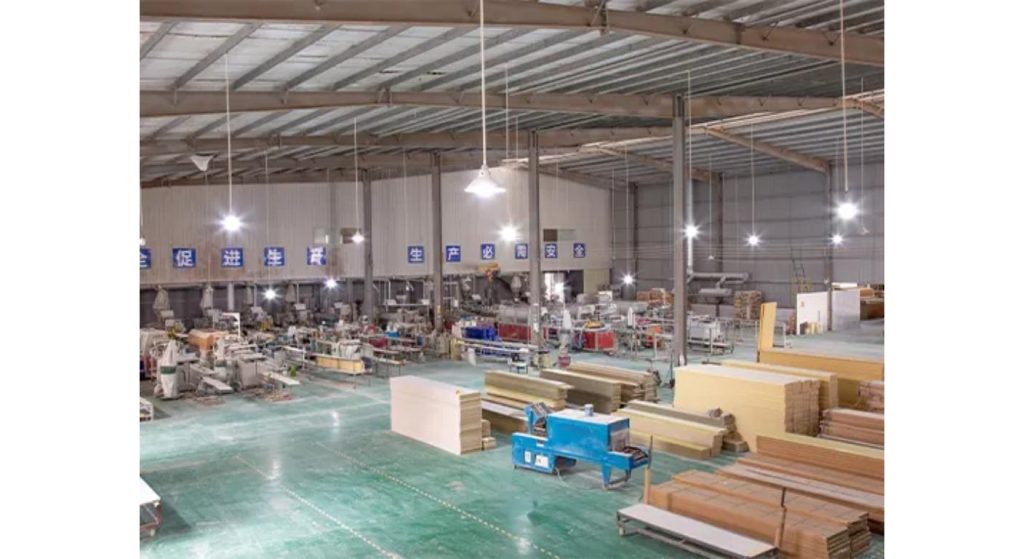
Design a plan to handle and identify materials for packing.
In the packing arrangement for long decorative panels, the size, finish and shipping route should be taken into account. Ask for the suggested pack size, gross weight, exposed edges and surfaces protection.
Ensure that the product, finish, quantity and production reference is clearly indicated in the packages. Inquire about the availability of private labels and/or customer facing packaging, and approve artwork separately if necessary. Don't assume that it comes with the brand or any special packing.
Planning unloading and storage at the receiving warehouse based on the packing information. Discuss and agree how to handle and stack with the supplier. An efficient shipment can still be stored in such a way that personnel can readily identify and select the appropriate item and not harm the surface.
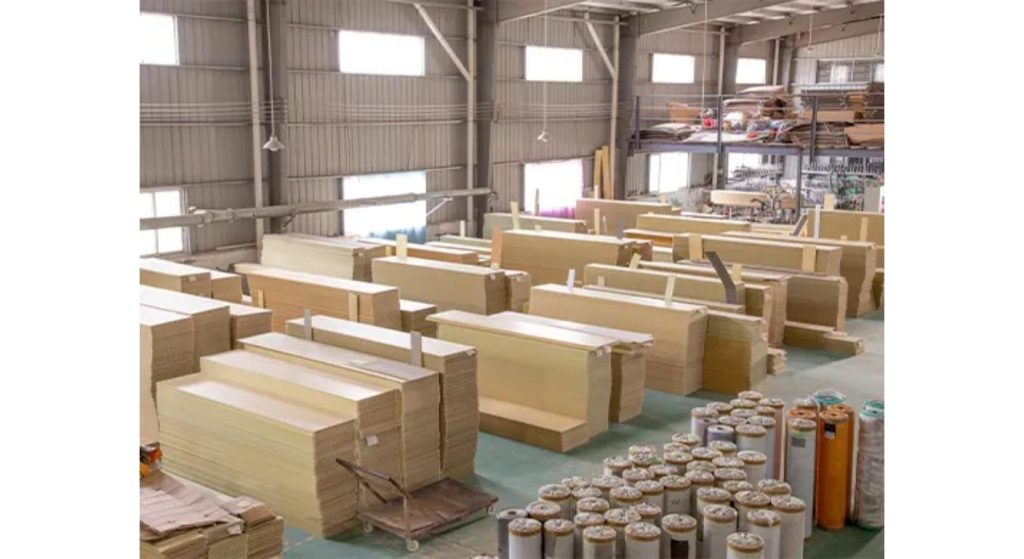
Check and refuel before spreading out.
Determine the receiving team's expectations for the first time their shipment arrives. Add quantities, product IDs, size, sighting and comparisons to the approved samples. Determine the method for and reporting discrepancies.
Maintain technical documents with supplied product. Most document enquiries can be started from Hengsu's certification page, however the buyer, if they chose, should request the reports that are relevant to the item selected and the intended use. Don't extrapolate the claims of one product to the rest of the stock.
Then determine how to place a repeat order. Check availability, production lead times, minimum quantities and change/cancelled finishes procedure. Delivery promises need to be confirmed for the order and not taken from a previous order.
Take the initial delivery to have a better subsequent order.
Check if the customers are asking for any specific items, if there's any accessory that is always out of stock, and which items are still stocked in the store. Differentiate between showroom interest and true demand before boosting quantities and/or adding additional finishes.
Call Hengsu with a detailed brief for the opening order including product codes, finish references, quantities, accessories, destination and packing requirements. Request a proposal that includes details and outstanding issues.
| Order file | Essential reference |
| Stock register | Buyer code and supplier code |
| Sample record | Approved profile and finish |
| Accessory schedule | Matching items and quantities |
| Packing list | Pack identity, count, and dimensions |
| Receiving record | Checks, photographs, and discrepancies |
| Repeat order | Confirmed specification and revisions |
Repeatable ordering system for wholesale wall panels makes it a more reliable business. Controlled range, clear samples, full accessories and traceable deliveries ensure the next shipment is in-line with customer demand, not contributing to excess inventory.
FAQs
Q1. What is the smallest quantity of wall panels that can be ordered wholesale?
Verify it with Hengsu for the profiles, finishes and order mix selected. Some minimum quantities may have to be listed separately for each product.
Q2. Is it wise to have lots of colors for the initial order?
Firstly, begin with a clear range around the customer need and/or the available storage space. Expand on the enquiries, sales and replenishment performance.
Q3. Does a little sample of color suffice to give the thumbs-up to a product?
No, check out the actual profile, joint, finish and dimensions also. Maintain Approved references in relation to the supplier product codes.
Q4. Are there any optional trims and installation accessories?
Do not assume so. Prior to ordering, verify the compatibility of the items, quantities and responsibility for supply in the quotation.
Q5. Prior to reordering, what should I look for?
Make sure to verify the product specification, finish reference, availability, quantities and lead time. Check if there are material, profile or packaging changes.


