



Exterior Wall Panels in Ho Chi Minh: Thermal Insulation Solutions for a Tropical Climate
Introduction: The Cooling Challenge in Ho Chi Minh City
Ho Chi Minh City has a tropical climate that causes hot, humid, and rainy weather year-round. It has been reported that in 2018, over 30% of Ho Chi Minh City's carbon emissions from energy consumption came from residential buildings. Of all cities in Vietnam, it is Hanoi and Ho Chi Minh City that are expected to experience the most extreme heat. As a result an urgent need for improved building insulations in those two cities has been recognized.
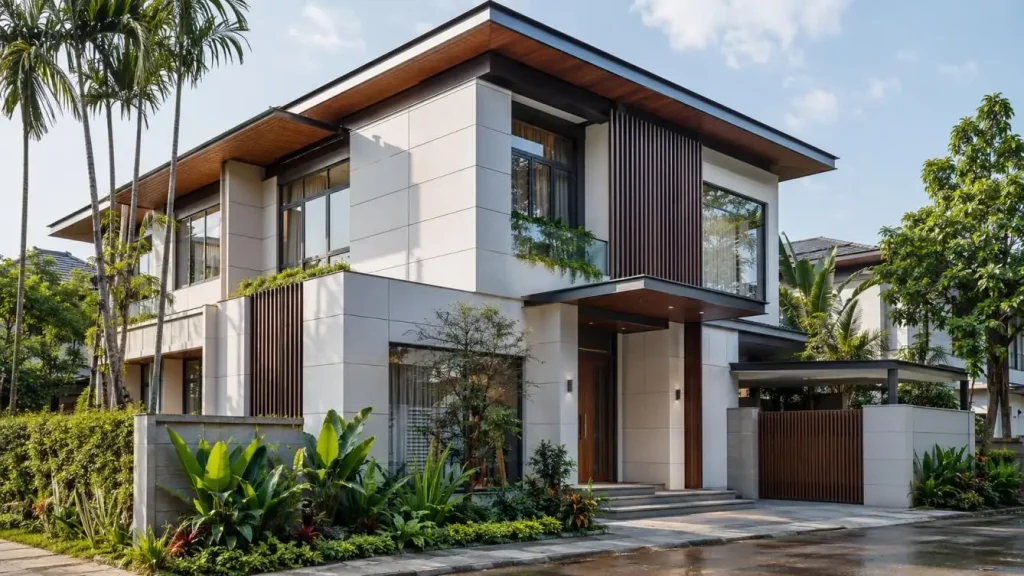
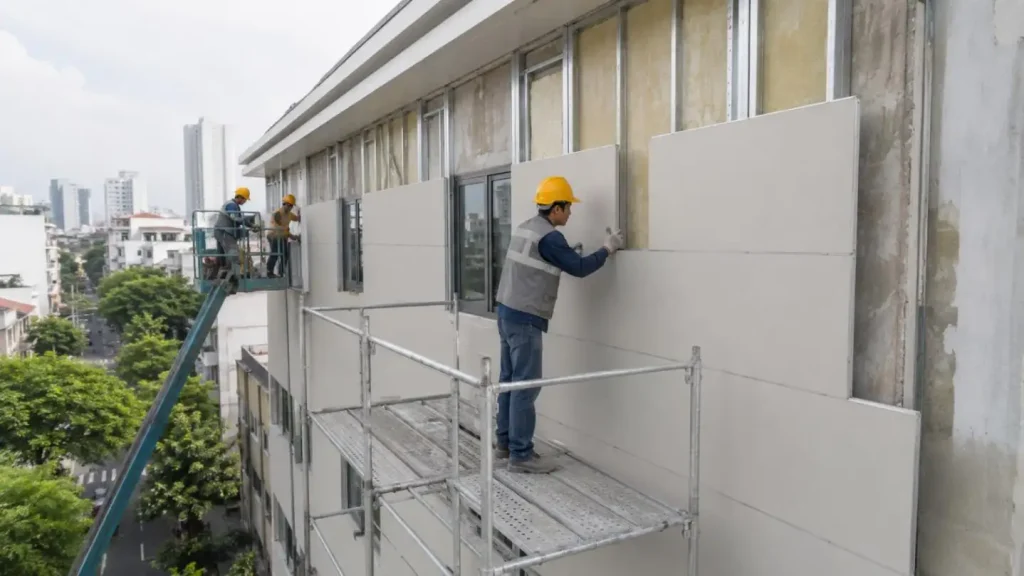
With the need for better building thermal insulations, the Advanced Thermal Insulations Systems in use by projects in Exterior Wall Panels Ho Chi Minh are being embraced by Architects, Developers, and Homeowners. These panels provide an extreme skin to buildings that protects them from the monsoon rains, extreme heat, pollution, and windborne debris. What makes an exterior wall panel effective in this climate? And why should you care?
Why Ho Chi Minh City's Climate Demands Superior Insulation
The climate of South Vietnam provides unique challenges for building envelopes:
•High solar radiation year-round: Conventional walls allow the exterior to heat up, and this penetrates the walls and drives up the cost of cooling the interior.
•Prolonged wet seasons: Heavy monsoon rains require building materials to be resistant to moisture and waterproofing is essential.
•Urban heat island effect: For example, in the case of Thu Duc City, the cooling burden for the buildings is intensified by the fact that it can be 8-11°C hotter than the surrounding rural areas.
•High humidity levels: The air can be saturated with moisture, can contribute to mold growth, can degrade wall materials and can compromise insulation performance and indoor air quality.
External wall panels play vital roles in energy efficiency (including heating cost, and ultimately, occupancy comfort) and durability of a building in any wall panels' environment.
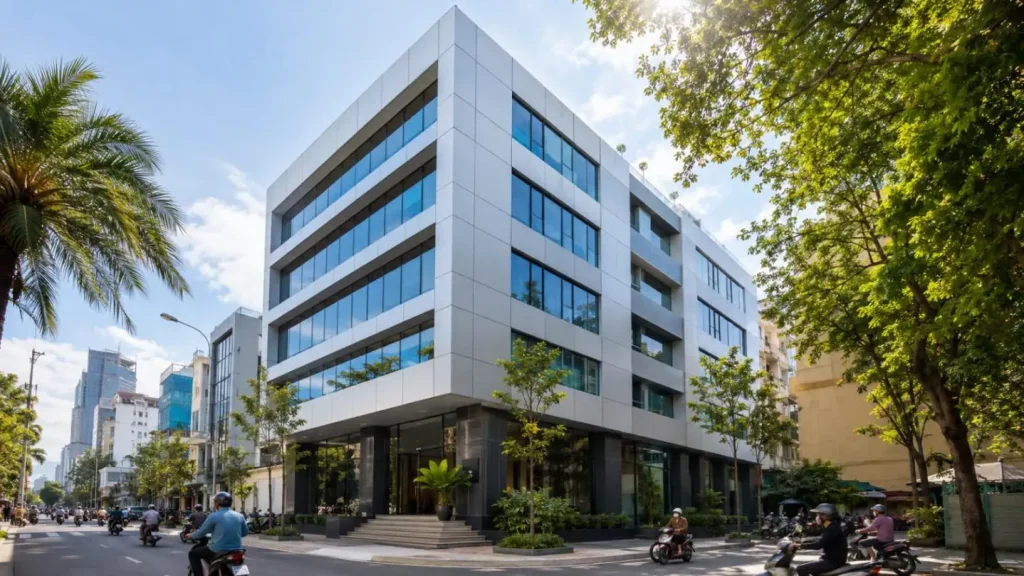
Science of Thermal Insulation of Exterior Wall Panels
Insulation science is simple and direct. As a general rule, heat always tends to equalize. Therefore, there is no distinction between heat in the interiors of the walls and the heat in the exterior of the walls. It is always flowing in the direction of the cooler walls. In the case of Ho Chi Minh City, heat is on the outside. Wall panels must do the following to counteract heat:
•Low thermal conductivity: Conventional PIR panels have thermal conductivity levels on the order of 0.020–0.022 W/m·K. Some of the newer offerings, such as Tonmatpan's HFO-based PIR panels, have thermal conductivities even lower at 0.01837 W/m·K. This value establishes a record in Vietnam as the lowest thermal conductivity.
•Sandwich panel construction: Multi-layered panels foam cores at the center and top and bottom, metal or composite facings (in sandwich construction) have thermal breaks that delay the flow of heat.
•Reflective coatings: Drying paints and/or reflective coatings (solar reflective) dramatically limit the amount of heat that can be absorbed to building wall structures.
•Closed-cell foam structures: Closed cell structures that also foam can efficiently barrier heat.
Ultimately, the wall panels heat the interior spaces of the building, which significantly reduces the demand for mechanical cooling.
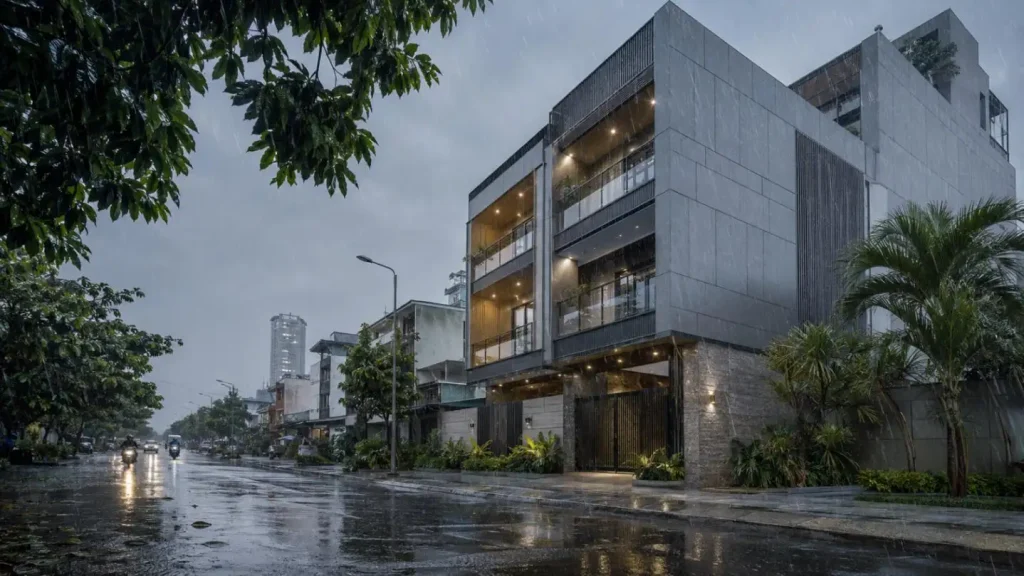
Types of Exterior Wall Panels for Thermal Insulation
The range of exterior wall panels available in Ho Chi Min City is considerable, with various insulating properties.
1. PIR (Polyisocyanurate) Insulated Panels
•Of all rigid foam insulation, PIR has the highest insulation value
•HFO-based PIR panels offer the best of thermal insulation, safety in production and environmental impact.
•PIR panels offer high mechanical strength along with fire and moisture resistance and a long service life
2. Aluminum Composite Panels (ACP)
•Aluminum composite panels are flexible and light with a variety of coatings.
•Some offer UV protection and fire-retardant cores.
•In practice, ACM walls perform extremely well in the energy saving and efficiency aspects.
3. Fiber Cement Siding
•Fiber cement is durable, weather resistant and can be used on both residential and commercial applications.
•Now available, 3D printed fiber cement cladding, can be used for modular housing.
4. High-Pressure Laminates (HPL)
•For zone areas with high humidity, Nano-coated allows for high flexibility in design and balance with thermal performance.
5. Precast Foam Concrete Panels
•Infamous for their lacking thermal insulation, these sandwich panels with EPS and foam now offer superior insulation.
•Thermal benefits can be 30% higher than competing products.
Money and Energy
In a place like this, where the air conditioning sustems are almost always running, the initial costs are offset by significant savings:
•20-40% savings in electricity costs: The sandwich construction, especially with PIR panels, can deliver a savings of 20-40% in operational costs due to their low heat transfer value (U).
•Decrease of CO₂ emissions due to cheaper means of cooling.
•40-60% faster construction time than the average building material, sandwich panels provide an almost automatic savings in construction time, labor costs and operating costs.
•Lower long-term upkeep: Building products with durable materials, antifungal coatings, and housed ventilation require less upkeep and repairs.
For contractors and owners, this results in a better return on investment and a reduced total cost of ownership.
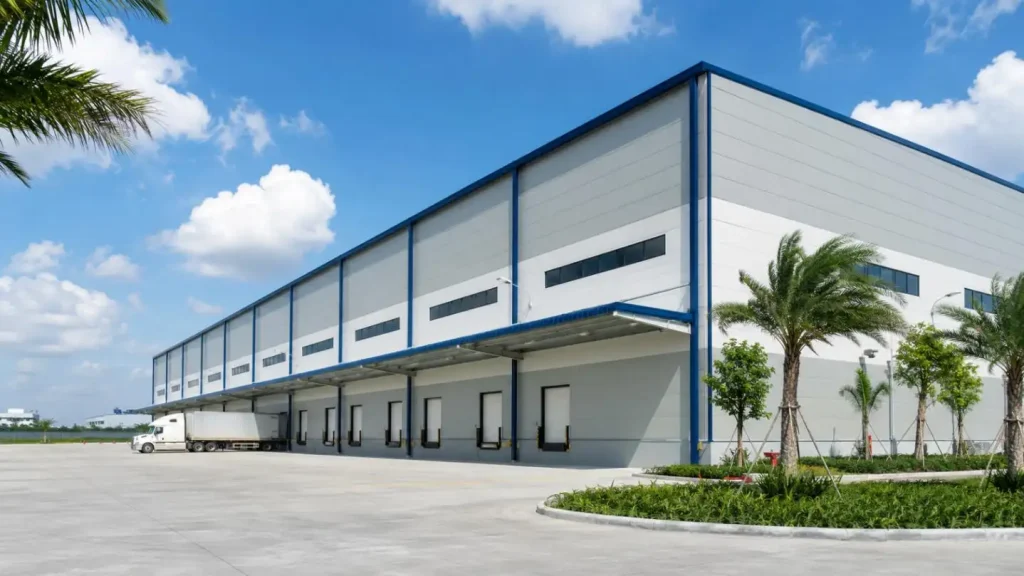
Green Building Certifications and Regulatory Compliance
Vietnam's construction sector is increasingly meeting global sustainable development goals.
•LOTUS certification: Vietnam's Green Building Certification System, developed by the Vietnam Green Building Council (VGBC), stimulates using construction materials that are low emission and recyclable.
•QCVN and TCVN standards: These building codes, issued by the Ministry of Construction, require any cladding systems to meet safety and performance building criteria that include fire resistance, wind pressure resistance, and prevention of water intrusion.
•LOTUS Green Product Certification: This certification is for materials that lessen the environmental burden, improve the quality of the indoor environment, and support enhanced energy performance.
Projects utilizing cutting-edge exterior wall systems have better prospects to earn these certifications and improve the property's value and marketability.
The Future of Exterior Wall Panels in Ho Chi Minh City
From 2025 to 2030, Vietnam's cladding market is forecast to grow at a CAGR of 8.24%. The following are growth drivers.
•Transition to ventilated façades
•Stricter code requirements for fire safety
•Use of high-durability exterior materials for real estate and public infrastructure
•Rapid urbanization and growth of industrial parks, logistics centers, commercial hubs, and high-end residences
Innovative technologies are broadening the scope further:
•Thermal Reflective Coatings
•Laser-cut Modular Panels
•Lightweight Honeycomb Technologies
•BIM-integrated façade catalogs and on-site mockups for design verification
•UV Aluminum Composite Panels with FR cores
Conclusion
For those looking into Exterior Wall Panels for Ho Chi Minh projects, the climate of Vietnam means thermal insulation must be included. The thin, yet high-performance, PIR panels, lightweight ACP, and fiber cements are options available in the market today.
The advantages of these products are considerable. Energy savings of 20 to 40%; 40 to 60% reduction in construction times; and thermal insulation with a conductivity of 0.01837 W/m·K. Since Ho Chi Minh City is growing and the climate is becoming hotter, building cost-effective and sustainable structures, using exterior wall panels with the best insulation, will be a necessity.
Call to Action – Now is the time to contact HENGSU.
HENGSU offers ho chi minh city residents the best selection to fight the worst of the weather – sun, rain, and humidity. HENGSU has the best choice of exterior wall panels on the market. Our panels stabilize UVs, resist impact, and insulate, all with the intention of fighting the specific issues of the tropics. Whether you are building a new villa, renovating an office, or upgrading a retail façade, these panels deliver lasting performance with zero maintenance . Why choose materials that simply can't stand the test of time and the elements? Contact HENGSU and right away with no added cost, get samples, specifications, and alterable estimates. Your stylish exterior is right here. Contact HENGSU today to build with confidence.
FAQs
Q1: How do they hold up in the tropics?
A: With UV-stabilised and waterproof construction, our panels won't fade, crack, or warp for decades.
Q2: How can they reduce energy costs in Ho Chi Minh City?
A: Their low-thermal conductivity cores and reflective surfaces reduce heat gain and cut air-conditioning electricity use by 20-40%.
Q3: Can I install them over existing walls?
A: Yes. Since they are compatible with cement and brick, as well as insulation boards, they are ideal for use in both new construction and renovations.
Q4: Do these panels need a lot of maintenance?
A: No. These panels are virtually maintenance-free. A quick rinse with water every so often will remove the dirt and make them look as good as new.
Q5: What about fire safety standards?
A: Aluminum composite panels achieve Class B1 or better. The rating for the other materials will vary, so you will need to check the specific product to confirm the rating.


