



The Green Building Revolution: Partner with a Trusted Wall Cladding Supplier in Dubai
Dubai's Cityscape embodies progress. With glass and steel dominates the skyline, however, there is a scattered focus on sustainability, energy efficiency, and responsibility. With the UAE's Net Zero by 2050 in mind, wall cladding will be a focus of green building. For Dubai wall cladding suppliers, the decisions made with labor and design today, will create the structures of the future and the art of the present.
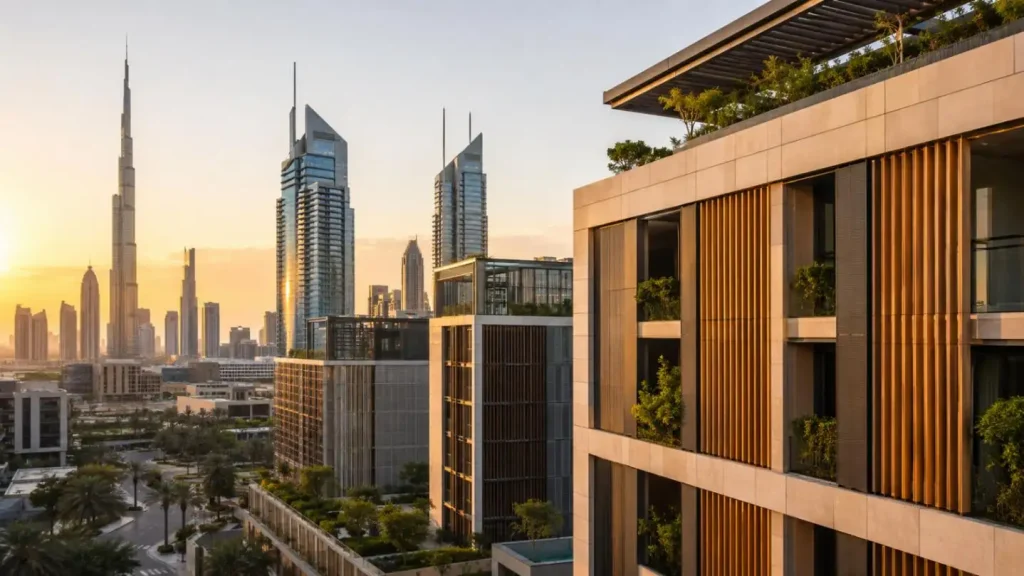
Why Sustainability is Essential in Dubai
The first version of Dubai's Green Building Regulations was created in 2014, and with the Dubai Green Building Regulations 2025, all new constructions must adhere to strict sustainability standards. Developers are mandated to build using energy efficient technologies and eco-friendly construction materials, as well as ensure proper ventilation by using non- toxic construction materials.
The Dubai Building Code (DBC) became law in 2021. It focuses on the climate change-related impacts on energy efficiency, life safety, and resilience. It also encompasses the previous 60+ regulations into one exhaustive framework. Green building certification is now a requirement for the majority of commercial constructions in the UAE.
The key drivers of this sustainability shift are:
•Government Vision: Dubai's 2040 Urban Master Plan and the UAE Net Zero by 2050 plan. These governmental plans have put in place building performance targets which are becoming more advanced and highly specific as time passes.
•Climate Reality: Buildings in the UAE use 80% of the electricity generated in the country. Cooling buildings to make them energy efficient in the extreme climates of Dubai is a challenge therefore high performance building envelopes are crucial.
•Market Demand: Global companies now have ESG requirements and look for spaces that meet their company's sustainability focus.
•Operational Savings: Efficient green buildings equate to lower utility costs.
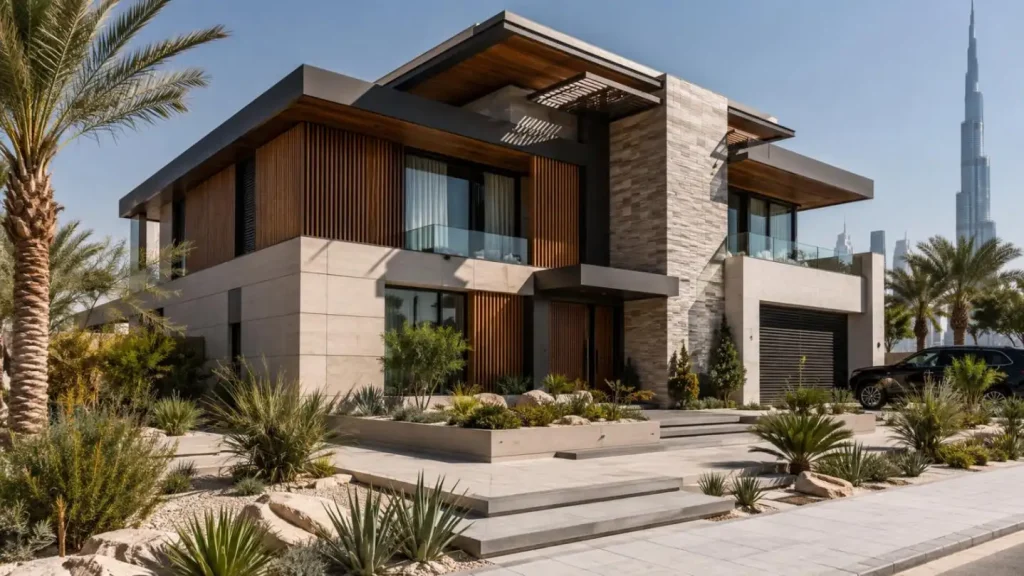
Wall Cladding in Sustainable Construction
Wall cladding is essential to the structure beyond surface appearance. As an example, in Dubai, it protects the buildings against extreme weather elements i.e. the sun, sand, and UV coupled with sandstorm. The Dubai building code, Article 501.01, defines the high performance of intense thermal transmittance (U-value) for high performance building wall cladding.
1. How Cladding Affects Energy Efficiency and Thermal Performance
The outer building envelope has an effect on the cooling load of a building. The addition of high-performance building components such as specialized glazing, shading, insulation, and cladding can greatly mitigate cooling load. Facades with glazing-to-wall ratios of 50% or less positively impact energy costs.
Sustainable cladding aids energy efficiency by:
•Breaking the thermal bridge in old aluminum framing systems, resulting in reduction of building cooling costs by 30-40% when compared to older systems.
•Passive shading that mitigates the solar cooling effect, example: Wasl Tower's ceramic fins cool the tower 10% versus the other towers in the city.
•Ventilated cavity systems that create airflow between the cladding and insulation, aiding cooling by preventing heat transfer.
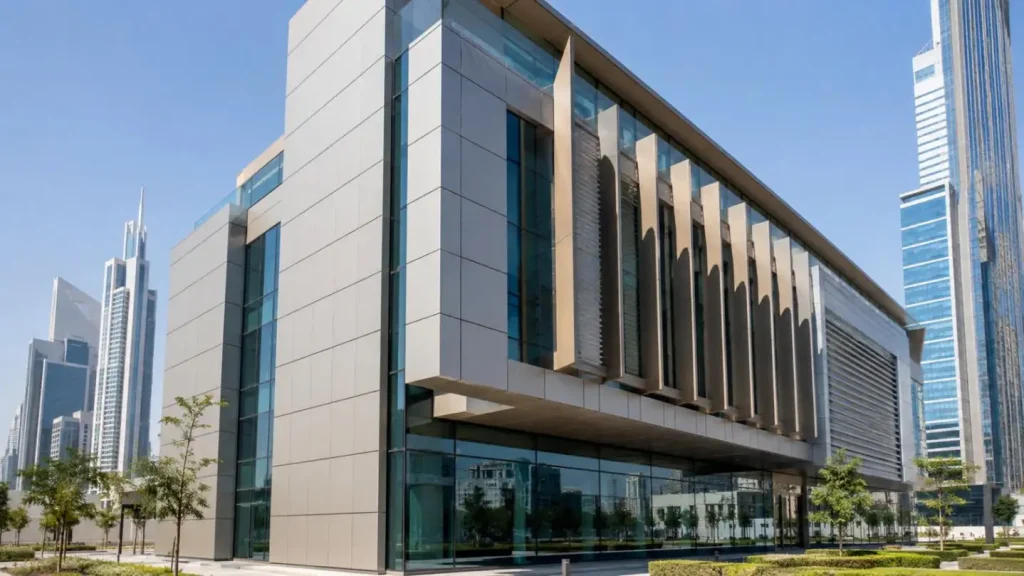
2. Fire Safety and Compliance
Considerations for high-rise buildings in Dubai must include fire safety. The UAE Fire and Life Safety Code includes prescriptive provisions in regard to regulations on exterior cladding systems. Compliant high-density fiber cement boards dominate the UAE market as part of the fire safety demands. Good quality cladding materials must meet Class B1 or higher standard for fire performance.
3. Durability in Extreme Conditions
Materials in Dubai must endure harsh weather conditions. High UV exposure and extreme temperature even in the case of sand abrasion must be withstanding the sun's rays and must not fade or require frequent repainting. Environmentally sustainable cladding must not only be considered for their sustainable and environmentally friendly options.
Incorporating Sustainable Practices with Wall Cladding
1. BIPV (Building-Integrated Photovoltaics)
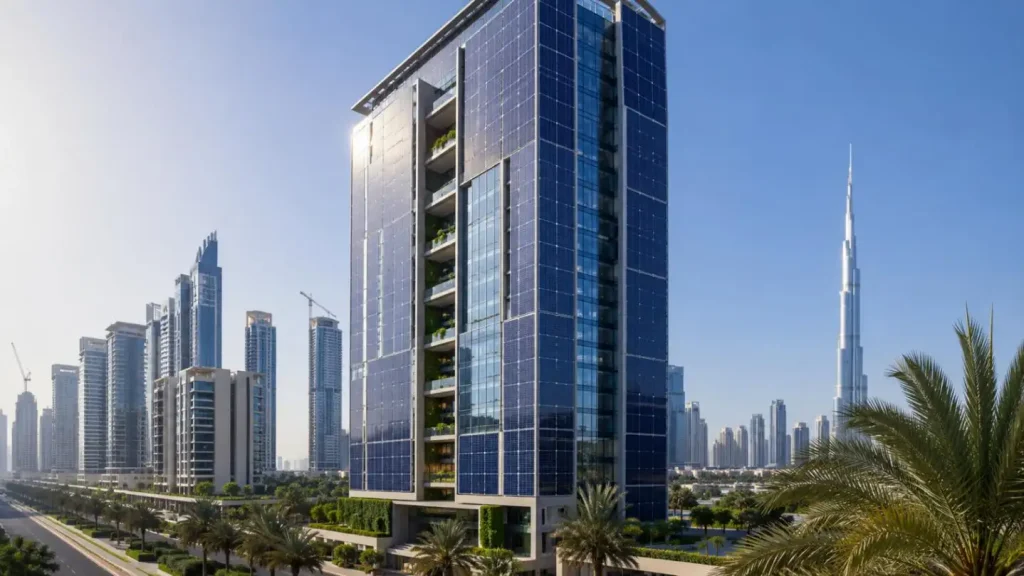
Integration of solar power generation into building facades is now becoming practical. For example, an average 30 story tower could generate 300 – 500 kWh of solar power from the building facade, which could offset a large portion of the overall building energy consumption. Ventilated Photovoltaic Facade Systems (VPVF) provide energy generation as well as thermal insulation to the building.
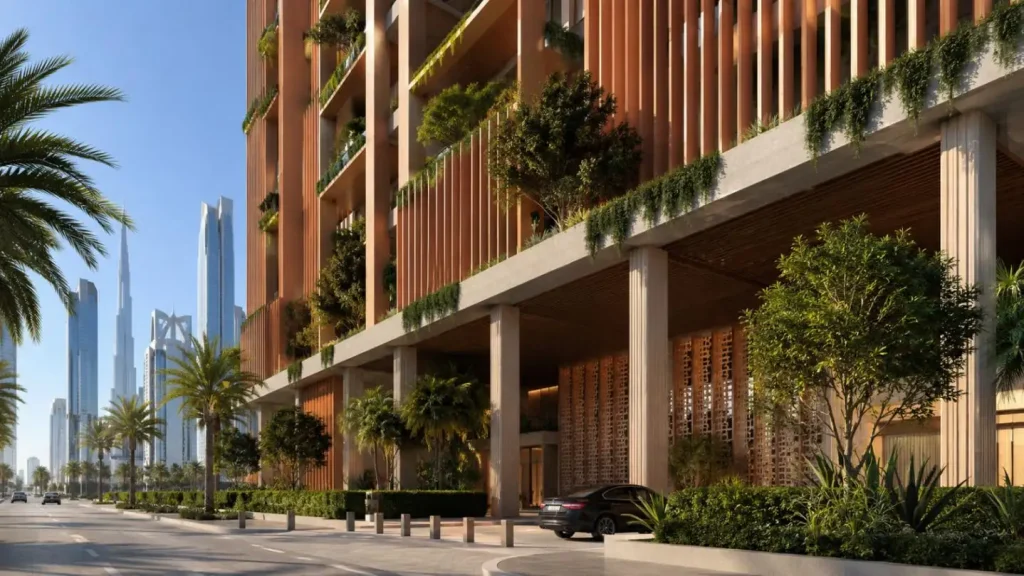
2. Zero Waste Curtain Wall Systems
The first zero waste curtain wall system in the UAE, which was a joint collaboration between Emirates Extrusion Factory and UCS Green Solutions, was designed to create a no waste construction process. The system was developed to eliminate cutting waste and reduce fabrication and installation manpower by up to 90%. The system aligns with the circular manufacturing process and UAE's Operation 300bn.
3. Natural Materials and Biophilic Design
The incorporation of biophilic design, which utilizes interior and exterior green walls and maximizes light, is a prominent design feature of Dubai's green buildings for 2025. Terracotta is a natural clay material that is an excellent insulator and is sustainable and cost effective. The Wasl Tower's terracotta facade demonstrates how traditional materials have a place in contemporary high-rise design.
4. Low-Emissions and Recycled Materials
Due to curtain systems being required to have a lower carrying capacity, the embodied carbon of the systems is being reduced by specifying aluminum systems that have a recycled content of 50-70% and by specifying low VOC materials that utilize a formaldehyde-free binding system.
Selecting the Right Wall Cladding Supplier in Dubai
For developers and contractors working in Dubai's complex regulatory environment, the selection of a Wall Cladding Supplier in Dubai that has both sustainability credentials and a strong track record of performance is critical.
A good supplier should provide the following:
•Material versatility: High-grade PVC, Aluminum Composite Panels (ACP), MDF with luxury finishes, etc.
•Fire-rated products: Class B1 or above.
•Resistance to fading or deterioration from UV exposure and the elements: Need for withstand the elements materials in Dubai's extreme conditions.
•Flexibility: Offering both standard sizes and custom sizes.
•Certifications: ISO9001 and recognition in green building.
Hengsu: A Leading Wall Clamping Supplier to Dubai Since 1999
HENGSU has specialized in the production and R&D of new green building materials for 24 years. Although the company was established in 2009, its roots go back to 1995 and the company has evolved from Zhongshan Hengli Plastic Factory to the current name in the building materials and construction industry.
1. Proven Track Record and Certifications
HENGSU operates under the ISO9001:2000 quality management system and has won several awards including "Recommended Engineering Products," "Green Building Materials," "National Recognized Brand," and "China Famous Brand." These awards show the company's focus on quality and the environment.
2. All-Inclusive Product Offerings
HENGSU provides the following as a Dubai Wall Cladding Supplier:
•Wall Cladding Panels featuring premium PVC, ACP, MDF with high-end finishes.
•Cladding with High Gloss, Wood Grain, Metallic, and Textured finishes.
•Standard lengths of 2.7m with the option of custom sizes.
•Cladding that is UV, scratch, and impact resistant, with fire retardant properties of Class B1 or above.
3. Innovation Driven Manufacturing
HENGSU has established more than 60 production lines with R&D spanning decades. With a deep understanding of the needs of customers and the environment, HENGSU has developed exterior-grade WPC wall panels with composite cores. These panels use UV-stabilized polymers, and do not need to be repainted, and with HENGSU's high standards in engineering wall panels, do not crack or fade.
4. Strategic Location and Logistics
HENGSU is located in Yongxing Industrial Park of Henglan Town in Zhongshan city and has convenient access to all major networks of transportation. This allows HENGSU to easily ship products to Dubai and all other international markets.
5. Customer Focused
HENGSU's team is dedicated to providing support in all areas from design to after sales. Having spent years in the building material industry gives HENGSU precious market insight. HENGSU provides rapid, articulate and tailored solutions to all clients.
Conclusion
Dubai's development of green buildings is changing how buildings are designed, constructed and how people experience buildings. Today, wall cladding is not just about aesthetics; it is about the energy efficiency, fire safety, and the environmental performance of a building. Having a wall cladding supplier who has vast experience and knowledge of Dubai's regulations and sustainable building practices is necessary with the direction building regulations are taking.
Having completed 24 years in the market and being a qualified green building material supplier builds HENGSU's credibility to supply materials to support Dubai's green building initiatives. HENGSU has a range of products from high quality PVC panels to aluminum composite panels and system that focus on producing high quality materials that fulfill all of the requirements of modern construction.
FAQs
Q1. Why is sustainable wall cladding in Dubai significant?
It helps cooling and energy costs while supporting buildings on the way to the UAE's Net Zero 2050 targets and compliance with the Dubai Green Building Regulations.
Q2. What are the fire safety regulations for Dubai wall cladding?
Dubai's wall cladding must comply with the UAE Fire and Life Safety Code, achieve a minimum rating of Class B1, and for many high-rises, pass the NFPA 285 test.
Q3. What are eco‑friendly wall cladding materials?
Green wall cladding options include fibre cement, terracotta, recycled WPC and aluminium, and those with low VOC and no formaldehyde finish.
Q4. How does the use of ventilated cladding improve wall system energy performance?
Ventilated cladding systems create an air cavity that absorbs and dissipates heat before it impacts the interior of the building, therefore reducing the heat transfer and the demand for air-conditioning.
Q5. Can wall cladding be customized to meet a specific design requirement?
HENGSU wall cladding can meet any design requirement because of the wide variety of colors and textures available along with the variety of custom sizes, and finishes (gloss, woodgrain, and metallic).


