



Contents
HSCS
How to Use Hardwood Slatted Wall Panels: 2026 Popular Style Guide
Hardwood Slatted Wall Panels are becoming a strong design choice in 2026 because they combine warmth, texture, and practical wall coverage in one system.
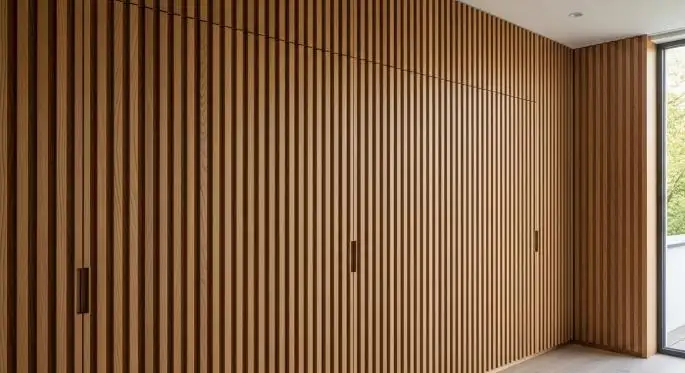
At Hengsu, we see growing demand from homeowners, designers, and project buyers who want interiors that feel more refined without becoming difficult to maintain. In many projects, the goal is no longer to add decoration alone. Clients now want materials that improve visual order, support a calm atmosphere, and fit current interior trends. That is why Hardwood Slatted Wall Panels are being used in more living spaces, offices, retail interiors, and hospitality projects.
Why Hardwood Slatted Wall Panels Matter in 2026
The 2026 design market continues to favor feature walls, natural-looking finishes, and more thoughtful use of texture. Architectural Digest's 2026 design coverage still highlights accent walls and wood paneling as relevant tools for shaping a room with depth and character. At the same time, current design reporting also points to calm neutrals and richer wood-led looks as part of the year's direction.
This trend makes sense. Wood slats help a wall feel architectural rather than flat. They create rhythm, shadow, and a more finished background. For many clients, that means a better balance between modern simplicity and natural warmth.
From a manufacturer's perspective, Hardwood Slatted Wall Panels work well because they can support both decorative and functional design goals in one product category.
Where Hardwood Slatted Wall Panels Work Best
Not every wall needs slatted treatment. A more selective approach usually creates the most appealing result.
Common applications include:
• Feature walls behind TVs in living rooms
• Decorative bedhead walls in bedrooms
• Accent walls in entrances and corridors
• Reception walls in office interiors
• Boardrooms and executive environments
• Product display areas in retail spaces
• Hospitality spaces such as lobbies, lounges, and guest rooms
In these environments, Hardwood Slatted Wall Panels help draw attention to key surfaces without the need for complete interior reconstruction. They also improve the sense of order and design intent across larger wall areas.
How to Use Hardwood Slatted Wall Panels Well
The key is placement. A slatted wall should guide attention, not overload the room. In most interiors, one main wall is enough to create a strong effect.
A few practical principles usually help:
• Use slatted panels on the wall that already carries visual importance
• Match wood tone to flooring, cabinetry, or furniture for a more unified result
• Balance the texture with plain painted walls nearby
• Choose spacing and slat depth based on the scale of the room
• Keep lighting in mind, because side lighting helps reveal the shadow lines
When used carefully, Hardwood Slatted Wall Panels can make a room feel taller, cleaner, and more structured. This is especially effective in projects where the client wants a modern finish but does not want the space to feel cold.
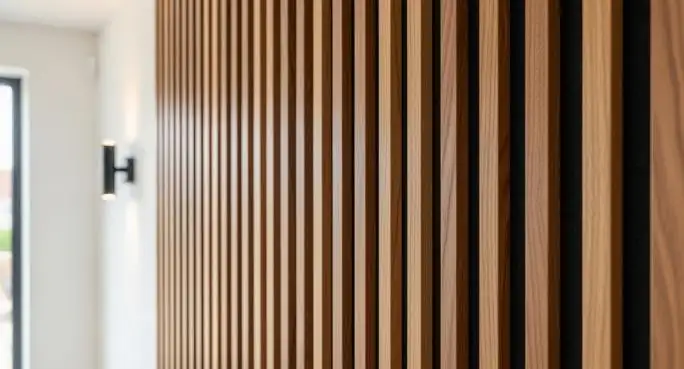
Style Direction for 2026
In 2026, clients are showing more interest in interiors that feel calm, natural, and grounded. This is one reason wood-textured materials are gaining attention. The broader design movement toward biophilic interiors also supports this direction. Interface describes biophilic design as a way to reconnect built spaces with nature, and related materials are often linked to more restorative indoor environments.
For Hardwood Slatted Wall Panels, the most practical 2026 style directions include:
• Warm oak-style and walnut-style tones
• Clean vertical lines for contemporary interiors
• Neutral wall palettes paired with wood texture
• Mixed use in residential and light commercial projects
• Panels that support a simple, quiet, premium visual effect
At Hengsu, we find that clients increasingly prefer styles that remain attractive over time rather than highly temporary looks. That makes wood slat panels a more dependable design option for long-term projects.
What Buyers Should Check Before Choosing Hardwood Slatted Wall Panels
Appearance matters, but product selection should also follow project logic. A good panel system should suit the actual installation environment and the expected finish standard.
Buyers should usually review:
• Surface consistency
• Wood tone stability
• Slat alignment accuracy
• Panel size compatibility with the wall area
• Installation method and accessory support
• Maintenance expectations after installation
Indoor material choice should also consider healthier building practice. The EPA notes that indoor air quality is affected by materials and other indoor pollutant sources, and it provides guidance on reducing exposure to VOC-related pollutants. This is why low-emission material planning remains important in interior projects.
Why Hengsu Recommends a Project-Based Approach
At Hengsu, we believe Hardwood Slatted Wall Panels should be selected according to space function, style target, and installation conditions. A panel that looks good in a sample may not always be the best match for every wall.
Our role as a manufacturer is to help clients move from concept to usable specification. That includes finish coordination, panel planning, and support for a more consistent final result. For clients, this often means clearer decision-making and fewer adjustments during installation.
If your team is planning a residential or commercial interior upgrade, contact Hengsu to discuss Hardwood Slatted Wall Panels, finish direction, and project matching. The right panel system can turn a plain wall into a more valuable part of the overall interior design.


