



Contents
HSCS
Modern WPC Wall Designs Explained: The 2026 Trend to Watch
In 2026, Modern WPC Wall Designs are gaining broader recognition as interior projects increasingly emphasize aesthetic quality, maintenance control, and lasting material value. In both private and commercial interiors, wall systems are no longer considered only as decorative surfaces. They are now expected to play a role in visual planning, surface durability, and practical long-term use.
Trend 1: Textured Wall Surfaces Are Gaining More Design Value
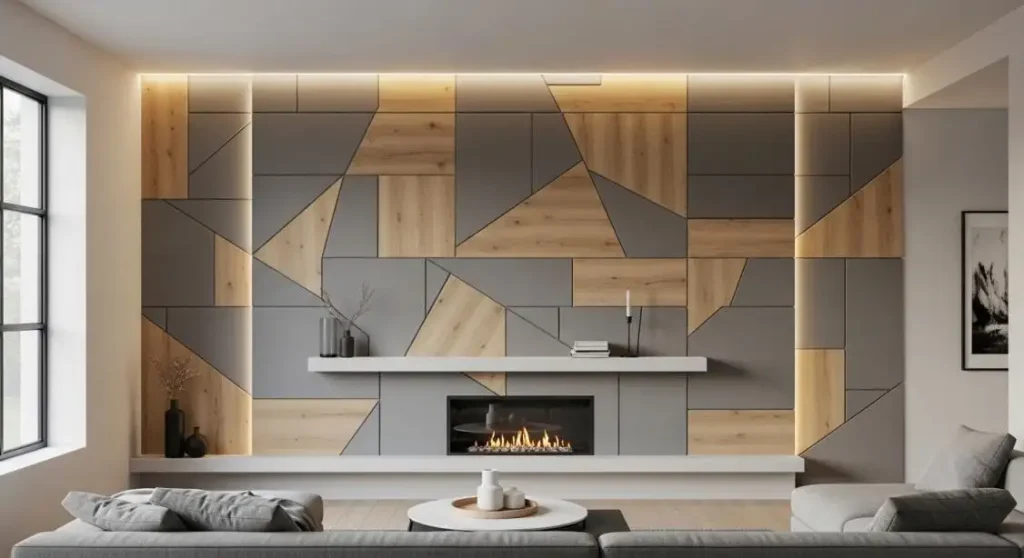
One of the most visible changes in interior design is the decline of flat and visually inactive wall finishes. Projects in 2026 increasingly favor wall surfaces that introduce texture, movement, and depth into the interior. This preference reflects a broader design mindset in which walls are expected to contribute to spatial identity instead of serving only as a backdrop.
Structured panel systems are now used more frequently to establish visual hierarchy and bring greater order to interior layouts. Within this design logic, WPC wall panels provide a practical way to create depth without adding unnecessary visual bulk. This is especially important in modern interiors, where careful balance is needed between decorative detail and spatial clarity.
Textured wall solutions offer a number of design benefits for many projects:
• Clearer spatial definition
• Stronger focal-point creation
• Better coordination with lighting effects
• More refined wall presentation
• Improved layering within minimal interiors
These things help explain why more and more offices, showrooms, homes, and hotels are choosing Modern WPC Wall Designs.
Trend 2: Material Choice Is No Longer Based On Appearance Alone
An important change in purchasing logic is that buyers now want decorative materials to deliver both aesthetic value and practical performance. In the past, wall finishes were frequently chosen mainly because they looked attractive. That basis for selection is becoming less effective in today's market. Buyers now assess whether a product can maintain its appearance, simplify upkeep, and adapt to real operating conditions.
This is one of the areas where WPC wall systems continue to gain relevance. One reason these systems attract attention is their combination of a wood-inspired visual effect with a surface that is easier to handle in practical applications. For many buyers, this offers a more complete material solution that serves both decorative and functional goals.
At Hengsu, the most common performance concerns discussed by buyers include:
• Resistance to moisture-related conditions
• Easier routine care
• Stable decorative appearance over time
• Lower maintenance and cleaning effort
• Versatility in different interior applications
This adjustment in selection criteria shows that Modern WPC Wall Designs are no longer treated as a purely decorative choice. They are increasingly preferred because they respond to broader project considerations including maintenance demands, operational practicality, and long-term appearance stability.
Trend 3: Feature Walls Are Becoming A Standard Planning Method
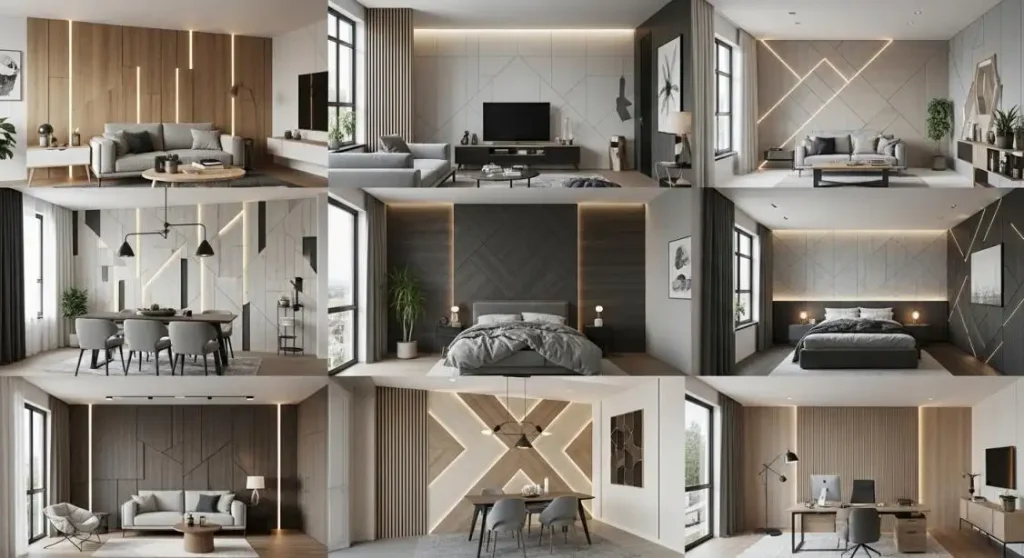
Feature-wall design is becoming a more standard method within current interior planning practice. Rather than relying on uniform wall treatments throughout a project, designers are using decorative panels with greater precision to highlight key areas and strengthen visual organization. This creates spaces that feel more curated, more coherent, and less visually flat.
In this application logic, Modern WPC Wall Designs offer clear advantages. They are well suited to spaces where one surface needs to carry greater visual importance while surrounding areas remain simpler. This selective use often produces a more professional and contemporary result than full-space repetition.
Typical feature-wall applications include:
• Television background walls
• Bedroom accent walls
• Entrance and corridor areas
• Office reception zones
• Retail display walls
• Hotel lobby and lounge interiors
Used in these locations, WPC wall panels help establish focal points without requiring a complete decorative overhaul. They also support more efficient project upgrades where visual improvement is needed without extensive reconstruction.
Trend 4: Low-Maintenance Surfaces Are Becoming More Commercially Important
In many projects, the value of a wall material is judged not only at the point of installation but throughout its service life. For this reason, maintenance efficiency has become a more influential factor in procurement and design decisions. A visually strong material may lose appeal if it creates unnecessary cleaning effort or requires frequent upkeep.
This practical consideration is especially important in high-traffic or service-oriented interiors. Project stakeholders are increasingly aware that wall maintenance affects labor input, operating cost, and the long-term impression of the space. Modern WPC Wall Designs are gaining attention partly because they can support a cleaner, more manageable wall solution in these environments.
This consideration is particularly relevant for spaces including:
• Office interiors
• Retail settings
• Public hospitality areas
• Shared residential interiors
• Corridors and transitional spaces
In these applications, surfaces are required to remain well presented even with repeated day-to-day use. Consequently, materials that help minimize maintenance needs can create added value that goes beyond decorative performance.
Trend 5: Health-Conscious Interior Planning Is Affecting Material Decisions
Interior specification decisions are increasingly influenced by broader priorities related to environmental quality, hygiene, and the management of indoor conditions. Buyers are paying closer attention to how wall systems support healthier interior planning, particularly in spaces where comfort, hygiene, and maintenance standards carry more weight.
This does not mean design has become less important. Rather, design is now being considered alongside material practicality and suitability for indoor use. As a result, the evaluation process has become more disciplined and more aligned with long-term occupancy needs.
When discussing sourcing and application, buyers frequently review several core issues:
• Ease of cleaning
• Moisture-related characteristics
• Suitability for indoor installation
• Compatibility with technical project needs
• Stability over long-term use
From Hengsu's perspective, this expanded evaluation approach is one of the reasons Modern WPC Wall Designs are receiving stronger recognition across the market. They correspond to contemporary interior planning needs, where decorative quality and reliable environmental performance are given equal attention.
Trend 6: Flexible Design Application Is Becoming A Key Buying Requirement
Another factor shaping the market is the increasing preference for more flexible design solutions. The market is seeing stronger demand for materials that can be applied across different interior designs and project environments, instead of products suited to only one decorative direction. This trend is meaningful not only for designers, but also for developers and procurement teams that need more adaptable material choices.
In practical terms, this growing requirement often includes:
• Compatibility with different interior styles
• Broader use across residential and commercial projects
• Greater freedom in layout planning
• Easier coordination with ceilings, lighting, and furniture
• More efficient application in varied design schemes
Modern WPC Wall Designs respond well to this demand because they can be integrated into multiple interior concepts with relative ease, including:
• Contemporary interiors
• Commercial spaces
• Warm minimalist environments
• Feature-wall layouts
• Partial decorative zoning
• Coordinated wall-and-ceiling applications
This adaptability gives buyers more freedom during project planning and helps designers create spaces with greater consistency and control.
At Hengsu, we regard this flexibility as an essential part of product value. A wall panel system should offer more than surface appeal. It should also help clients balance design presentation, installation purpose, and practical project requirements in a way that continues to add value after completion.
Final Words
As expectations for interior materials continue to evolve in 2026, Modern WPC Wall Designs are becoming an increasingly relevant choice for projects that demand both aesthetic strength and practical everyday performance. For buyers seeking a wall solution with broader application value, WPC panels present a functional and design-oriented option for modern interior spaces.


