



Contents
HSCS
Designer WPC Wall Panels | Curated for Interior Pros
Why Interior WPC Wall Panels Matter in Modern Interior Design
Interior WPC Wall Panels are gaining stronger attention because buyers now expect more from an interior wall finish than surface decoration alone. A panel should contribute to visual order, daily durability, and easier upkeep at the same time. At Hengsu, we see this clearly in buyer discussions. Designers and project purchasers are increasingly comparing not only style, but also surface stability, moisture resistance, and installation efficiency.
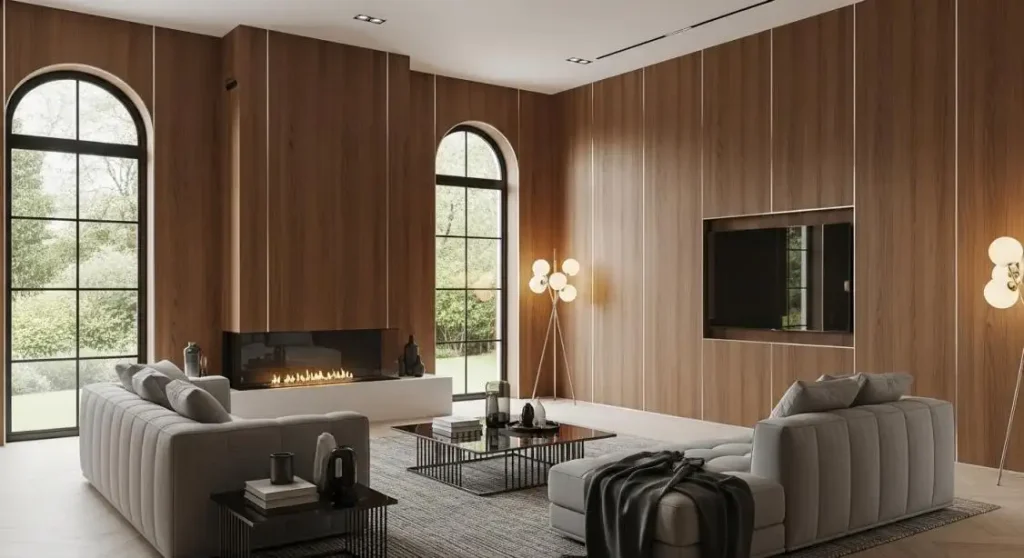
The Core Material Advantage of Interior WPC Wall Panels
The first strength of Interior WPC Wall Panels lies in the material structure itself. WPC, or wood-plastic composite, combines plant-based fiber content with polymer-based components to form a more stable interior panel system. For buyers, this matters because the product is designed to deliver a cleaner decorative effect while reducing some of the weaknesses associated with more traditional wall finishes.
Compared with surfaces that rely heavily on repeated painting, patching, or delicate finishing, designer WPC panels provide a more integrated panel body. This gives buyers several practical benefits:
• Better resistance to everyday scratches, stains, and minor impact
• More stable surface performance in interiors with changing humidity
• A more consistent decorative finish across larger wall areas
• Reduced dependence on repeated cosmetic maintenance
These points are especially valuable for buyers who want a wall solution that remains presentable in daily use, not only at project handover.
Surface Design Is One of the Biggest Selling Points
For interior professionals, one of the most attractive features of designer panels is their visual flexibility. Interior WPC Wall Panels can be developed in a wide range of decorative effects, including wood-look textures, stone-inspired finishes, fabric-like patterns, matte solids, and contemporary slatted profiles. This allows buyers to match the wall system to different interior languages without changing the basic product logic.
At Hengsu, we view this as a curatorial advantage. A designer panel should not simply offer many colors. It should help professionals build a more intentional interior composition. The right surface can add warmth, create visual rhythm, soften large wall areas, or introduce a more structured background for furniture, lighting, and branding elements.
This is why designer-grade panels are often selected not just for coverage, but for composition. They help transform the wall from a passive background into an active design element.
Performance Advantages Go Beyond Appearance
A strong decorative finish is important, but buyers usually make final decisions based on performance. This is where Interior WPC Wall Panels often present a broader value proposition.
One key advantage is moisture-related reliability. The EPA states that indoor humidity should remain below 60%, ideally between 30% and 50%, while ASHRAE notes that occupied spaces are commonly controlled to less than 65% relative humidity to reduce the likelihood of conditions that support microbial growth. In practical terms, this means buyers should pay attention to wall materials that can better support interior durability in humid or variable environments.
Another advantage is maintenance efficiency. In many interior projects, buyers prefer surfaces that are easier to keep clean than conventional painted walls. A finished panel surface can simplify routine care and help maintain a neater visual condition over time.
In addition, the panel structure may contribute to a more comfortable interior feel by adding a more substantial wall presence. Depending on the design and installation system, it can also support a cleaner and more orderly finished appearance than treatments that depend heavily on on-site wet work.
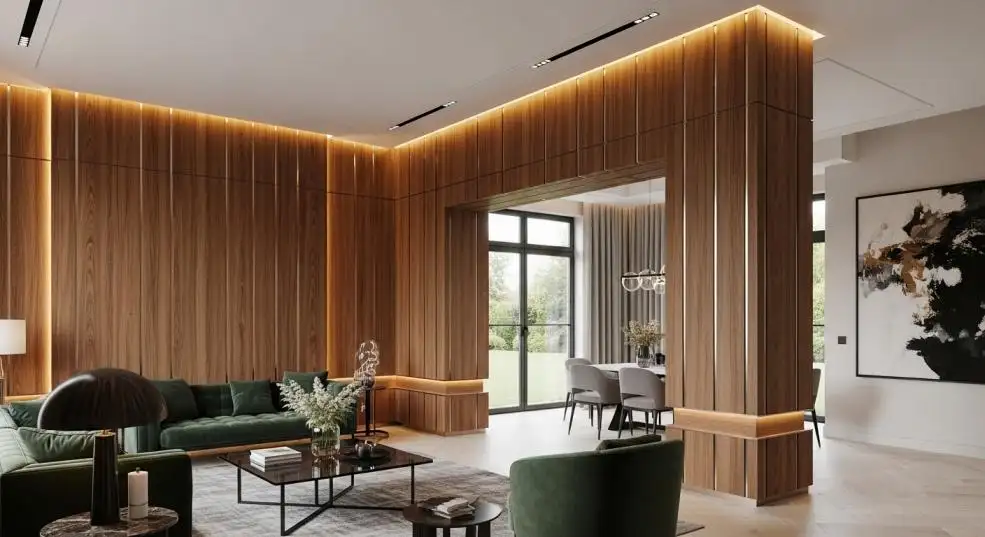
Why Buyers Often Prefer Designer Panels Over Traditional Finishes
When buyers compare wall systems, the decision is often less about trend and more about workload, durability, and finish consistency. Designer Interior WPC Wall Panels are frequently preferred because they combine several project needs in one product category.
• They provide a ready-made decorative surface with a more finished visual effect
• They help shorten the path from design selection to installation execution
• They reduce the risk of uneven aesthetic results associated with repeated manual finishing
• They support a more modern specification logic that combines design and practicality
This is particularly useful for buyers who want a panel system that is easier to standardize across multiple rooms or projects. Consistency matters in project delivery, and panel-based wall solutions often make that goal easier to achieve.
Choosing the Right Interior WPC Wall Panels for a Project
The best panel is not always the one with the boldest texture or the most complex profile. Buyers should first ask whether the product matches the real priorities of the project. Those priorities may include visual style, maintenance expectations, humidity conditions, installation method, and long-term finish consistency.
At Hengsu, we advise clients to consider Interior WPC Wall Panels by asking four practical specification questions first:
• Is the panel style suitable for the overall interior scheme?
• Is the surface suitable for the expected level of daily use?
• Will the panel structure support a clean and efficient installation result?
• Can the supplier offer stable style matching and project support?
When these points are aligned, the product becomes more than a decorative board. It becomes a more complete interior solution.
CTA: If your team is reviewing Designer Interior WPC Wall Panels for an upcoming project, contact Hengsu to discuss surface styles, panel structures, finish matching, and practical specification support. We assist buyers in converting design expectations into a more confident product choice.


