



Contents
HSCS
What You Need to Know About Residential PVC Wall Cladding: Benefits, DIY Installation, and Care
Residential PVC wall cladding is everything modern homeowners need for a durable and aesthetically pleasing wall finish. No other wall cladding solution is as affordable and versatile. Residential PVC wall cladding is ideal for a number of areas and applications, such as a bathroom, basement, or a kitchen backsplash Wall cladding comes with a ton of benefits, and by the end of this guide, you’ll know everything you need to know about PVC wall cladding and its installation process.
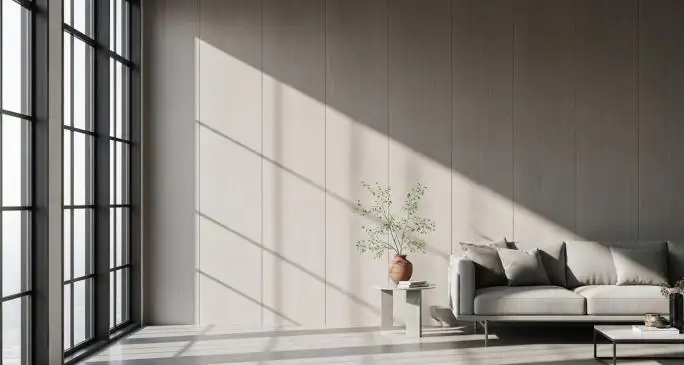
What Is Residential PVC Wall Cladding?
PVC is the material used to create plastic products and is the dominant material for residential wall cladding. Residential PVC wall cladding is a wall covering made of PVC designed for residential wall cladding that comes in the form of sliding panels, planks, or sheets. The panels, planks, or sheets that come with Wal Cladding is designed to mimic the look of tiles, wood grains, or stone. They have better moisture and impact protection compared to other wall cladding options. Residential PVC wall cladding is much sturdier than paint or wall papper as they are designed to provide a protective cover against daily wear and tear.
Quality residential PVC wall cladding features:
•Lightweight for easy transport and handling
•Interlocks for an easy and seamless installation
•UV protection for longevity and fading prevention
•Closed cell structure for little to no water absorption
Benefits of Residential PVC Wall Cladding
There has to be a reason why thousands of homeowners are using PVC wall cladding. Let's here talk about some of the benefits:
1. Moisture Control
•The waterproof design makes it perfect for bathroom walls, laundry room walls, and kitchen walls.
•They prevent the formation of mold, mildew, and stains from sustained leak shootings.
•They are also great for places with high humidity.
2. Easy to Clean
•Simply wipe it with a damp cloth and you're good to go.
•They don't need to be repainted, restained, or resealed.
•The stain resistant design also means tough to remove stains are a no-no.
3. Long Lasting
•Furniture and toys used to make dents all over the place? Not with these.
•The surface of this PVC wall cladding is scratch resistant.
•Extreme weather, water, or temperature won't decompose it.
4. Affordability
•People Foaming! are shocked with the results of these wall cladding.
•Compared to ceramic tile, the PVC wall cladding is 30%-50% cheaper.
•The wall cladding makes for an easy DIY project.
5. Easy Installation
•No need for a professional to do this.
•Simple place the wall cladding over the existing plaster or wall.
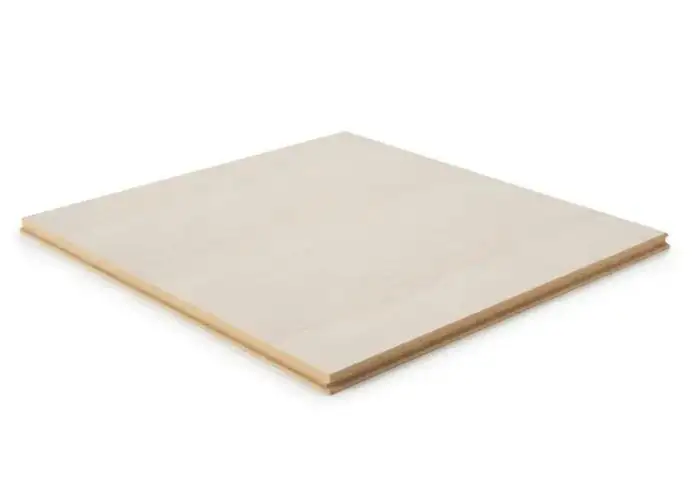
This project is easy to do:
•There are over 100 different designs.
•The Matte, gloss, and satin will fit any style.
•Creates a barrier, reducing heat loss through outer walls.
•Implies sound absorption – minimizes echo and reverberation.
•Certain products come with an attached foam backing, enhancing R-value.
Applications of Residential PVC Wall Cladding in Your Home
Residential PVC wall cladding looks great in just about every area, but these uses tend to be most common:
| Area | Why It Excels |
| Bathrooms | 100% waterproof, prevents steam damage |
| Kitchens | Grease-resistant and easy-to-clean backsplash |
| Basements | Fights dampness and below-grade moisture |
| Laundry Rooms | Withstands humidity and detergent spills |
| Mudrooms | Scuff-resistant and simple to scrub clean |
| Home Gyms | Impact-resistant and acoustically dampening |
| Garages (interior walls) | Protects against dents and chemical exposure |
Pro tip: Avoid installing residential PVC wall cladding directly behind high-heat sources like wood stoves or unshielded ovens, as extreme heat can soften PVC.
It is easy to install Residential PVC Wall Cladding and get professional results by following this guide step-by-step.
Tools You Will Need
•Utility knife
•Measuring tape and level
•Adhesive (also works for a staple gun)
•Rubber mallet and edge spacers
Installation Steps
1.Clean and prepare wall surface by scraping away any paint chips, dust, or other debris.
2.Measure and layout scheme and starting from one bottom corner to use a level to mark a straight guide to follow.
3.Resize panels as needed by first making a deep score on one side with a utility knife and snapping it for a clean break.
4.Apply back adhesive, if using it, by creating a zigzag pattern with the PVC-compatible adhesive.
5.Install the first panel by pressing to the wall and keeping a small 1/8 inch gap at the bottom edge.
6.Interlock the next panels by sliding down the groove. If needed, you can gently tap with your rubber mallet.
7.Trim panels by cutting with your jigsaw and following PVC mounting blocks to keep it neat.
8.Install edge trims to finish the project and cover the expansion gaps.
The average time for one person to install a 10' x 10' wall of PVC Cladding is about 2 to 3 hours.
Care for Your Residential PVC Wall Cladding
One of the best features of residential PVC wall cladding is how little maintenance is required. Just follow this routine:
•Cleaning – require weekly. Just use a damp cloth and mild soapy water. Do not use abrasive powders or steel wool.
•Cleaning Stains – occurs on pvc wall cladding. Use isopropyl alcohol or a non-acidic cleaner. It is best to test first on a hidden area.
•What to not use – do not use solvents such as acetone and benzene and do not use bleach-based scrubs or steam cleaners as PVC are warped by heat.
•Repair Minor Damage – fill scratches by color-matched PVC repair paste. Replace any of the damaged planks by cutting them out using a multi-tool.
When PVC wall cladding is of good quality and properly maintained Residential PVC wall cladding is extraordinarily long-lasting. It lasts 20 to 30 years. It is without fading or deterioration.
Residential PVC Wall Cladding vs. Other Wall Finishes
How does residential PVC wall cladding compare to traditional materials?
| Material | Cost (per sq ft) | Moisture Resistance | Maintenance | Lifespan | DIY-Friendly |
| PVC Cladding | 1.50–1.50–4.00 | Excellent | Very low | 20–30 years | Yes |
| Ceramic Tile | 5.00–5.00–15.00 | Good | Low | 50+ years | No |
| Painted Drywall | 1.00–1.00–2.50 | Poor | High | 5–10 years | Yes |
| Wood Planks | 4.00–4.00–12.00 | Moderate (requires sealing) | High | 10–20 years | Moderate |
For residential applications where moisture is a concern (bathrooms, basements, kitchens), residential PVC wall cladding offers the best balance of cost, durability, and ease of installation.
Considerations for Residential PVC Wall Cladding
Before buying any PVC wall cladding, consider the importance of the following:
•Thickness: Cladding thickness is 4-6 mm. For high-impact spaces, choose wall cladding that is 8 mm or more.
•Finish: If you want to change room perception, the gloss option adds the illusion of space, while the matte finish will hide imperfections.
•Fire rating: Higher grades (Class B/C) of PVC wall cladding will meet the minimum requirements, since most building codes for interior cladding call for Class C or higher.
•Design continuity: For accounts of future wall cladding repairs and cuts, consider purchasing more cladding (an extra 10-14% is standard wastage).
Because of the risk of high smoke conditions, check your building codes for the inclusion of PVC wall cladding in your egress pathways. If wall cladding is required to meet the criteria of low smoke emissions, consider the use of fire-retardant, low smoke PVC.
Final Verdict: Is Residential PVC Wall Cladding Right for You?
There are many advantages to choosing Residential PVC wall cladding, including affordability, moisture resistance, and numerous aesthetics, as outlined below. It is ideal for:
✅Homeowners on a budget looking for a high-end wall solution
✅DIY enthusiasts wanting a fun weekend project
✅Families looking for a strong barrier wall that's safe for children and pets
✅Renovation projects for moist areas like basements and bathrooms
Potential purchasers should also consider:
❌Homes looking for no synthetic materials (examples include natural wood and lime plaster)
❌Walls that sustain temperatures over 140°F (60°C)
Conclusion
With ease of installation and a projected lifespan of decades, wall cladding in Residential PVC has become a cutting-edge wall covering of choice. You are very much in the driver's seat on your interior home design with good quality Residential PVC Wall Cladding. Also, your interior design will be done without the extra hassle of major costs, regular upkeep, or the mess that traditional wall coverings incur. Whether you want to cover an entire household in this effective wall covering (safely, as it's toddler and pet friendly), or just cover up an accent wall, Residential PVC Wall Cladding is an effective wall covering that paint and wallpaper are unable to compete with.
Are you ready to transform your walls? Explore the wide range of designs, compare thicknesses, and start your residential PVC wall cladding project today. Your future self—and your wallet—will thank you.
PVC Wall Cladding for Bathrooms FAQ
Q: Is wall cladding made from PVC waterproof?
A: Absolutely. PVC wall cladding is 100% waterproof which is ideal for bathrooms and located below ground level.
Q: Is it possible to wall cladding in PVC on top of tiled walls?
A: Yes, wall cladding in PVC would be applicable on a clean and level surface. Old wall tiles can stay behind.
Q: What cleaning is required with PVC wall cladding?
A: To clean it off would require, at most, a wipe with soap and cloth. Cleaning agents and stick cloths should not be used.
Q: Is wall cladding PVC exposed to the sun changing colors?
A: Ultraviolet ray absorption is one of the properties of good quality wall cladding PVC. Sub-standard wall cladding should be kept in places with limited sun exposure.
Q: Is wall cladding PVC safe for the locations that are exposed to flames?
A: The most PVC wall cladding products are rated for C or B class flames. Building codes should be legally observed.


