



A Comprehensive Guide to PVC Wall Panels for Building Interiors
For cutting-edge use case options in construction and remodeling, PVC wall panels have no competition. For commercial, residential and medical construction, PVC wall panels are superior in their application versatility, style, functionality, and cost-effectiveness. In this pamphlet, a comprehensive exploration of PVC wall panels for building interiors will be presented. We discuss the benefits available, the most effective installation and maintenance strategies, and recommend other options to consider.
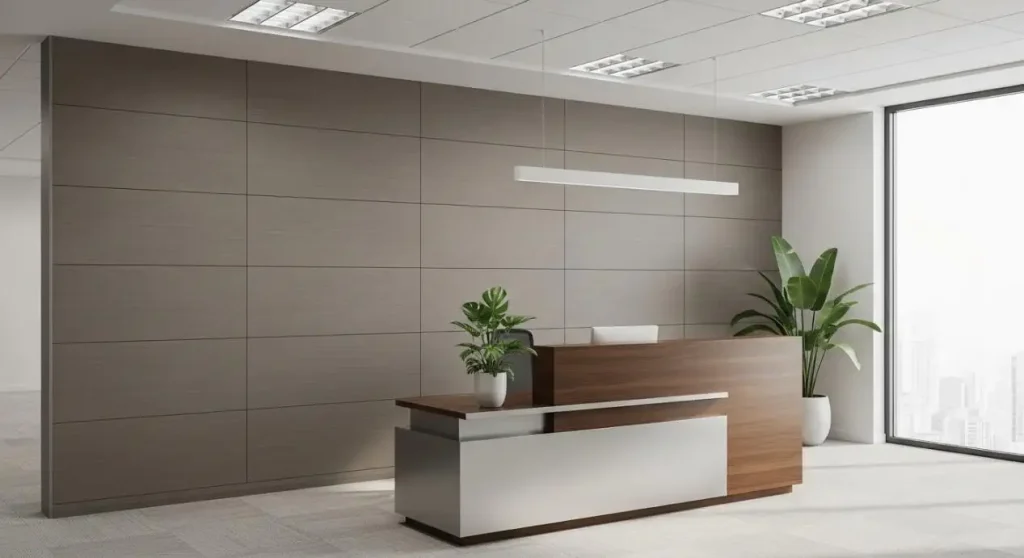
What are PVC Wall Panels for Construction?
PVC wall panels are polyvinyl chloride (PVC) panels that are not flexible and designed for use on a building's interior. Available in glossy, matte, and even three-dimensional finishes, PVC wall boards are smooth, water-resistant, and low maintenance. These wall boards are a good replacement for wood, drywall, and ceramic tile, and are available in an endless array of colors, textures, and patterns.
Some key features of PVC wall panels construction
•They offer complete protection against water, and vapor and are ideal for enforcement to interior walls of moisture rich environments like basements, kitchens, and AJ.
•Transport and construction are easier as panels are lightweight.
•Several configurations are available that are fire-retardant.
•Some formulations are manufactured to be 100% recyclable.
What are the Advantages of PVC Wall Panels?
PVC wall panels are becoming increasingly popular fenestration style construction. This is no accident, as they offer distinct advantages above competing cladding style construction.
1. Superior barrier to moisture and mold.
PVC, when compared to G and W construction, does not have a great absorption capacity. They naturally inhibit the growth of mold, mildew, and bacteria. Hence, creating environments of high relative moisture. AJ rooms, spas, and pools are ideal construction applications.
2. Fast and Simple Installation
•Can be over existing walls like tiles, drywall, or concrete.
•No plastering or sanding required.
•Adhesives or tongue and groove interlocking systems do the trick.
•Saves almost 50% compared to traditional tiles on labor costs and completion time.
3. Durability & Low Maintenance
•Stains, scratches and impacts don’t affect the panels’ quality
•Cleaning is as easy as using a damp cloth and detergent.
•Doesn’t deteriorate over time.
•Installation of PVC Wall Panels for Building Interiors is sufficient and indestructible for about 20 years.
4. Better Access Compared to Other Options
•Less expensive than natural stone, ceramic tiles, and solid wood.
•Easily installable and requires no specialized contractors.
•Saves costs on larger products like hotels and apartment interiors.
5. Adaptable Designs
• Can simulate concrete walls, wood walls and include modern abstract designs.
• Melamine ensures a seamless finish on each wall. L-shaped profiles can also be added to wall corners to handle corners. Unlike drywall, PVC wall panels can be seamlessly fitted very easily with skirting in wall cavities.
- Height and Coverage
• PVC wall panels are versatile and can be used for whole walls, partially across walls, and even for ceiling coverage.
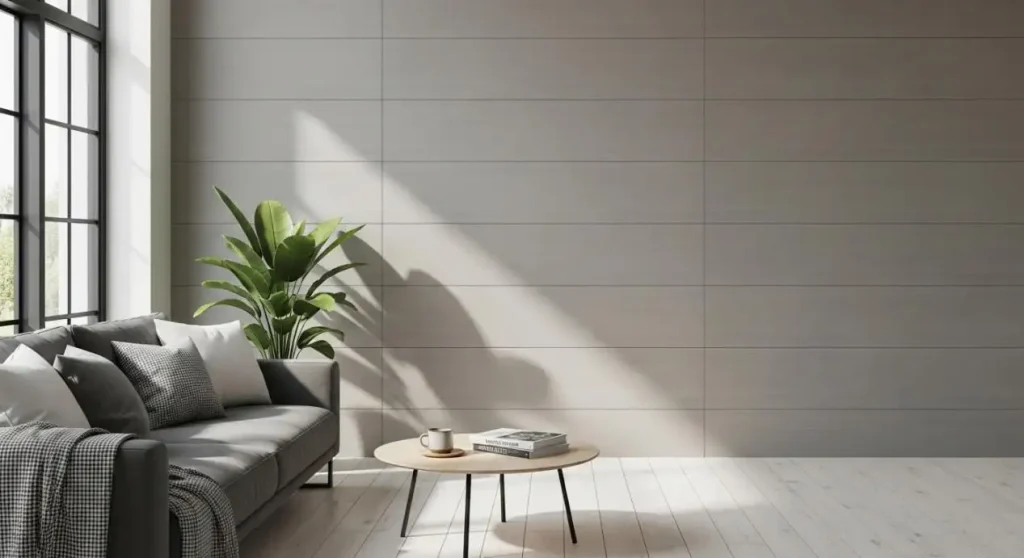
Applications
The application and usage of PVC wall paneling can be used in a wide range of areas.
•Wet areas and bathrooms – being waterproof allows PVC wall panels to be used as a better replacement for tiling and/or glass panels. PVC paneling for class B fire safety is also recommended.
•Kitchens - a great and resistant surface for fast and easy cleaning.
•Patient rooms and medical facilities - solid surface healthcare wall solutions meet and exceed healthcare building code grades. PVC panels for a durable and solid surface are highly recommended.
•Wet areas and pants - being waterproof allows PVC wall panels to be used as a better replacement for tiling and/or glass panels. PVC paneling for class B fire safety is also recommended.
•Quickly exchanged surfaces - major refurbishments are greatly reduced.
Simple Steps
PVC Wall Panels for Building Interiors are easy to install and follow these simple steps:
•Get measurements beforehand, and order panels exceeding measurements or possible waste by about 10%.
•Interiors for building surfaces must be prepared by being clean (free of any debris), smooth (free of bumps), and dry.
•Panels must be cut with, and cut slits must be drilled as needed.
•For slits and spaces, panels must be secured or closed using a level surface.
•Pcs and PCs must be collated and paired as needed..
Firmly place each panel starting from a corner, and press it against the wall. Use a level to ensure even placement.
For tongue-and-groove panels, fit new panels into place sequentially.
Cover the edges and corners with matching PVC trim for a polished finish.
In damp areas, use silicone to seal the joints to prevent moisture from seeping through.
��� To have a completely removable system, install removable wooden battens (furring strips) and screw the panels into place.
Helpful Hints for Maintenance
PVC wall panels for building interior's mils less maintenance. However, these tips will help the lifespan of your panels:
•Easy daily maintenance: wipe panels with a microfiber cloth and warm water.
•Cleaning: For cleaning stubborn stains, which can happen, use a little mild soapy water.Avoid using steel wool, or other abrasive powders and products.
•Keep panels away from direct heat: Avoid placing panels beside open flames, or unvented stoves.
•Keep an eye on the sealant: In shower walls, check the sealant. If it is broken, replace it.
PVC Wall Panels vs.Traditional Materials
| Feature | PVC Panels | Ceramic Tiles | Drywall + Paint | Wood Paneling |
| Water resistance | ✅ Excellent | ✅ Good | ❌ Poor | ❌ Poor (unless sealed) |
| Installation time | ✅ Fast (1-2 days per room) | ❌ Slow (3-5 days) | ❌ Slow (drying time) | ❌ Moderate |
| Cost per sq.ft. | ✅ Low | ❌ High | ✅ Low (but frequent repainting) | ❌ High |
| Maintenance | ✅ Wipe clean | ❌ Grout cleaning | ❌ Repainting every 2-3 years | ❌ Refinishing |
| Lifespan | 15-20 years | 20+ years | 5-10 years | 10-15 years |
Environmental Considerations
Modern PVC Wall Panels for Building Interiors take into account the environment much more than older panels.More companies use recycled PVC content, and as a bonus, the panels are also 100% recyclable end of life. Containing the need for paints and sealants and frequent replacements helps PVC panels reduce the carbon footprint of a building project. Panels certified with GREENGUARD Gold or other low-VOC standards can help achieve and sustain a positive state of indoor air quality.
Conclusion
PVC Wall Panels for Building Interiors are a durable and stylish option to consider for your next project if a budget is also a concern. Their performance is exceptional in moisture-laden areas such as saunas or pools, and they also save on installation time with their many design options.The finish design options are almost endless to satisfy any look...whether a cozy residential bathroom sauna, or a bustling active commercial lobby. Performance is the same across the board.
Here is a checklist of a few things to consider before your purchase:
•Take accurate measurements of your wall area.
•Pick a design to match your aesthetics.
•Confirm the fire rating, (suggested Class A or B for commercial spaces).
•Purchase the trims and adhesives that are recommended to match.
If you are not confident on how you will be doing the cutting, review the online tutorials, and/or hire a professional. PVC Wall Panels for Building Interiors are a smart design investment for interior wall cladding. Be it a new building, or an old architecture renovation, wall panels will surely add a nice finish.
Frequently Asked Questions (FAQ)
Q1: What level of fire safety may be expected with PVC wall panels?
Countless PVC Wall Panels for Building Interiors bear some fire-ratings, specifically Class A or B. Anticipate considering this detail, especially at commercial or public buildings.
Q2: Are PVC panels appropriate for a shower?
Yes, these panels have 100% water resistance, making them suitable as shower walls, bathtub surrounds, and in wet rooms. Make sure to silicone seal the edges.Q3: Should tiles be removed to install PVC wall panels?
Sure, PVC Wall Panels may be installed on tiles, or may be done on walls of any kind, so long that these surfaces are neat, clear, and level. A lot of time may be saved, as well as savings on demolition.
Q4: What is the recommended way of properly cleaning PVC wall panels?
The best way is to take a soft cloth, wet it in warm water, add some mild soap (dish soap is fine), and then go to cleaning.Tough stains can be removed with some alcohol. Do not use any sort of scrubbers and harsh chemicals on the panels.
Q5: What is the durability of PVC wall panels?
PVC wall panels are a lasting product, and expect a lengthy use of them, even years, and in this time you may expect them to maintain affair of fade, cracks, or warping. 15 - 20 years of use is a time period of good expectation for these panels.


