



Textured Bamboo Wall Boards Guide: From Material to Application
Textured Bamboo Wall Boards are becoming a practical choice for clients who want a wall finish that combines decorative value, efficient installation logic, and a more renewable material direction. From our perspective at Hengsu, market demand is no longer driven by appearance alone. More clients now want wall systems that are easier to specify, easier to maintain, and better aligned with long-term interior project goals.
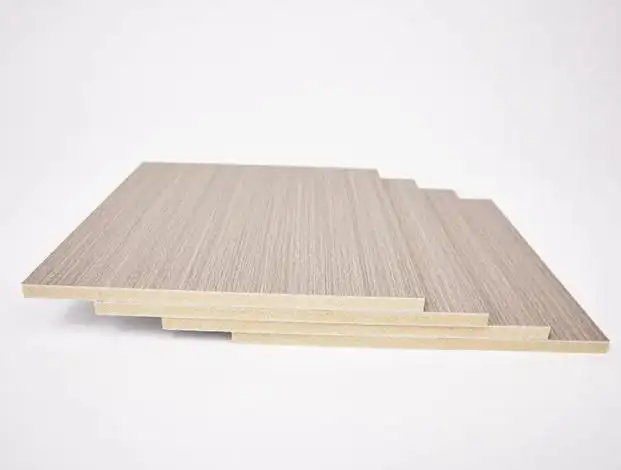
Why Textured Bamboo Wall Boards Are Gaining Attention
Bamboo has moved far beyond traditional use. FAO notes that bamboo is widely used in construction both in its natural form and as reconstituted materials such as laminated boards and panels. FAO also states that bamboo-based panels and boards can serve as a substitute for hardwood products in many industrial uses. This is important for clients because the choice of materials now affects not only design, but also sourcing strategy, project image, and lifecycle thinking.
Resource efficiency is another reason why people are becoming more interested. INBAR notes that bamboo generally matures in about three to five years, which is faster than many conventional timber species. Furthermore, the FAO and IFAD highlight the considerable economic and environmental advantages associated with bamboo cultivation. This versatile plant serves as a raw material for the production of diverse products, encompassing furniture, construction panels, and entire structures.
What the Material Usually Includes
When buyers evaluate Textured Bamboo Wall Boards, they should first understand that the product is not simply "raw bamboo cut into panels." In the 2026 interior wall panel market, bamboo is more often used in composite structures, where it is combined with polymers, mineral fillers, or functional surface layers to improve stability, finish consistency, and installation performance.
A typical product concept may include:
• A Bamboo-Based Decorative Layer or bamboo-fiber-derived visual surface, valued for its natural appearance, warm texture, and renewable material identity
• PVC Or Polymer Components, often used to improve moisture resistance, processing consistency, and ease of cleaning in daily interior use
• Calcium Carbonate Or Mineral Fillers, which can help increase board hardness, dimensional support, and structural density in composite panels
• Bamboo Charcoal Additives, increasingly used in decorative panel categories to strengthen the material story and add functional differentiation in surface systems
• A Textured Finish And Protective Surface Layer, designed to improve visual depth, touch perception, and resistance to routine wear during interior application
From a material logic standpoint, each component serves a different purpose. Bamboo contributes a more natural visual language. Polymer layers support water resistance and practical maintenance. Mineral content helps the board remain firmer and more stable. Surface coatings or laminated skins improve decorative consistency and help the panel respond better to everyday use.
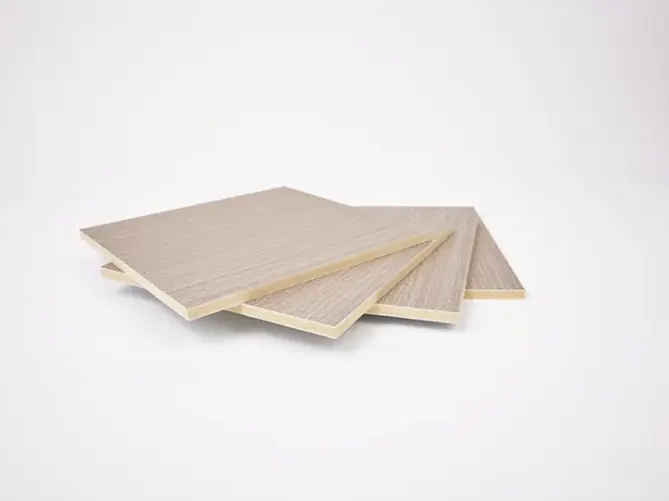
This is why specification should begin with structure, not only color. A wall board may look similar on screen, yet perform differently in flatness, edge quality, installation method, and maintenance response.
How to Judge Product Value Before Buying
For many buyers, the best approach is to move from performance questions to design questions.
Key Points Clients Should Review
• Is the board intended for residential, retail, office, hospitality, or light commercial interiors?
• Does the project require fast installation on a large wall area?
• Is the texture mainly decorative, or does it also help create visual zoning?
• Will the board be used in a dry area, or in a space with changing humidity?
• Does the supplier provide matching trims, corner solutions, and installation guidance?
This kind of review reduces mistakes during procurement. In our experience at Hengsu, clients make better decisions when they compare the full wall solution rather than only the board sample.
Where Textured Bamboo Wall Boards Work Best
Application is one of the strongest selling points of Textured Bamboo Wall Boards. Because textured surfaces create rhythm and layered light reflection, they are often used to improve otherwise plain interior walls.
Common application areas include:
• Living room feature walls
• Bedroom background walls
• Reception areas and office interiors
• Hotel corridors and guest room accents
• Retail display walls and branded commercial spaces
• Ceiling and partial vertical decorative zones in selected projects
FAO's bamboo resources research shows that bamboo-based boards and panels are already recognized as durable materials with broad construction relevance. This supports their suitability as a design-driven interior surface category, especially when clients want a material story connected to renewable resources.
Why Texture Matters in Interior Design
Texture shapes the way a wall is experienced, not just the way it looks. A flat surface may appear clean, but it often lacks depth and atmosphere. Textured Bamboo Wall Boards bring a richer visual language to interior spaces by introducing light variation, tactile character, and a stronger sense of layering.
Different texture styles can create very different design effects. Common surface expressions include:
• Brushed Grain Textures that deliver a natural and understated look
• Linear Groove Patterns that emphasize rhythm and vertical or horizontal flow
• Wood-Like Embossed Finishes that add warmth and a familiar organic character
• Stone-Inspired Textures that create a more architectural and contemporary mood
• Fabric-Like Surface Effects that soften the wall and make the space feel more refined
These details help a wall become part of the overall interior composition rather than a passive background. In modern design, this is especially valuable. Many clients want spaces that remain visually clean while still feeling warm, layered, and distinctive.
Texture also supports product differentiation. Clients are not only selecting a wall covering. They are choosing a surface language that influences how the entire space is perceived. For that reason, texture selection should always respond to:
• Lighting Conditions
• Room Scale And Proportion
• The Intended Design Mood
For example, deeper carved textures and bold ridged patterns often suit statement walls, commercial interiors, and branded spaces. By contrast, fine grain textures and soft matte embossing are often more suitable for residential interiors that aim for a calm and balanced atmosphere.
From Selection to Project Execution
The most effective way to choose Textured Bamboo Wall Boards is to connect material, use scenario, and installation logic from the beginning. Bamboo's fast maturity cycle, wide product adaptability, and role in panel manufacturing make it a relevant option for clients looking for a more future-oriented interior material path.
At Hengsu, we recommend evaluating each project through three questions: what visual effect is needed, what performance level is required, and what installation system will make delivery more reliable. When all three considerations are brought into balance, the wall board delivers more than surface decoration. It becomes a useful and dependable part of the overall interior solution.
CTA: If your team is exploring wall covering options for a new interior development, contact Hengsu to discuss Textured Bamboo Wall Boards, including texture designs, board structures, application requirements, and suitable installation solutions. We can help you move from sample review to a more precise product choice.


