



Contents
HSCS
WPC Balcony Floor Panels: Combine Eco-Friendliness & Lasting Beauty
WPC Balcony Floor Panels are becoming a sound choice for buyers who expect outdoor flooring to deliver a refined visual effect, dependable use performance, and closer alignment with modern sustainability standards.
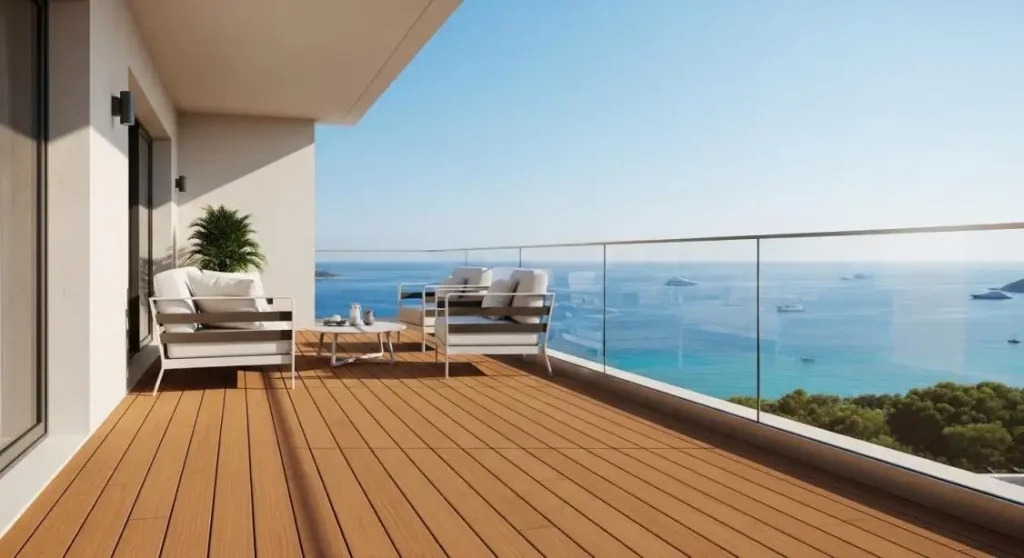
Hengsu thinks that choosing balcony flooring has become more practical and focused on performance. People who buy things these days are more interested in how long they will last, how much work they will need to do, how well they will hold up in bad weather, and how efficient the materials are. This change in the market is not going to last. It is part of a larger shift in what people want to buy.
Why People Are Interested in WPC Balcony Floor Panels
Balconies have to deal with a lot. The floor surface is affected by sunlight, rain, moisture, and foot traffic every day. Traditional wood may offer a natural look, but it often requires repeated sealing, staining, or replacement over time. Research from the USDA Forest Products Laboratory has also long noted that outdoor wood-based products are exposed to moisture, mold, decay, and weathering, which directly affects durability expectations.
This is one reason WPC Balcony Floor Panels are attracting more interest in both residential and commercial projects. They combine wood fiber and polymer materials in a way that supports a more stable outdoor flooring solution.
For many buyers, the value becomes clear in simple terms:
• A cleaner and more uniform surface appearance
• Lower routine maintenance than many traditional wood options
• Better resistance to outdoor exposure in normal balcony use
• A more modern balance between design and practicality
The Eco-Friendly Value Behind the Material
Eco-friendliness has become an important part of product evaluation, but buyers often want to know what that means in practical terms. In the WPC category, one of the strongest points is material reuse. Major composite decking manufacturers publicly state high recycled-material content in their products. Trex reports composite decking made with up to 95% recycled and reclaimed materials, while TimberTech states that some of its decking products contain up to 85% recycled materials.
For buyers, this matters for two reasons. First, it shows that the industry is moving toward circular material use rather than relying only on virgin raw inputs. Second, it allows WPC Balcony Floor Panels to be presented as a more responsible alternative for projects where environmental evaluation has become part of the buying decision.
At Hengsu, we see this as more than a marketing point. It is part of how balcony flooring is being redefined in 2026: the product is expected to look good, but it is also expected to reflect smarter material selection.
Lasting Beauty Depends on More Than Color
Buyers first notice the decorative effect. That is understandable. Balcony flooring contributes strongly to the visual character of an outdoor space. However, lasting beauty is not created by color alone. It depends on whether the panel can keep a stable and presentable surface under real service conditions.
Well-designed WPC Balcony Floor Panels should help buyers achieve:
• Wood-like visual warmth without the same level of upkeep
• Surface consistency across multiple boards
• A finish that works with modern residential and hospitality design
• Better long-term appearance retention through suitable structure and formulation
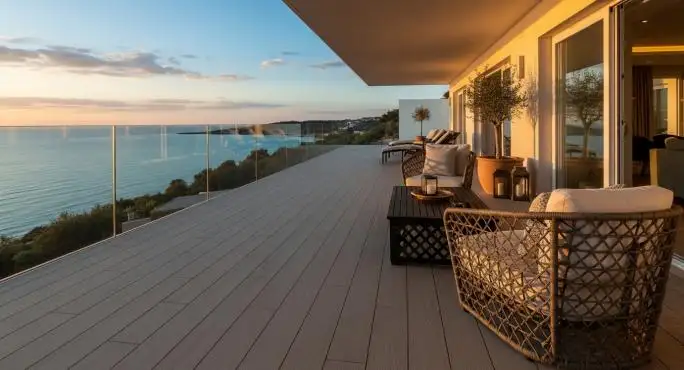
This is especially relevant for balconies because the space is often small, visible, and frequently used. Even minor surface decline becomes easy to notice. A good panel should therefore support both immediate visual appeal and a more dependable appearance over time.
What Buyers Should Check Before Buying
Before choosing WPC Balcony Floor Panels, buyers should move through a clear decision path.
• Material Structure: Ask whether the panel is designed for outdoor flooring rather than general decorative use.
• Surface Performance: Review slip resistance, texture, and how the surface behaves in everyday balcony conditions.
• Installation Requirements: Verify framing support, water drainage, spacing arrangement, and edge treatment methods.
• Care Requirements: Assess the level of maintenance and cleaning involved compared with wood and related outdoor flooring materials.
• Project Design Fit: Make sure the panel tone, texture, and board shape match the building’s visual style.
This educational sequence helps prevent a common mistake: selecting balcony flooring based only on sample appearance without evaluating how the full system will perform after installation.
Where WPC Balcony Floor Panels Fit Best
From a project perspective, WPC Balcony Floor Panels can suit a wide range of applications. They are often applied in apartment balconies, private terraces, hotel outdoor zones, and remodeling projects where the goal is to combine refined appearance, lasting performance, and simpler upkeep.
Their appeal is strongest when the buyer’s goal is not merely to install a floor, but to create an outdoor surface that is easier to manage over the years. That is also why the category continues to expand as the broader decking and composite market grows.
A Smarter Balcony Flooring Choice Starts With the Right Supplier
At Hengsu, we believe buyers make better decisions when they understand both the visual and technical sides of WPC Balcony Floor Panels. A well-selected panel should not only improve the look of a balcony. It should also support more efficient maintenance, more stable outdoor use, and a more responsible material strategy.
CTA: If your team is evaluating WPC Balcony Floor Panels for a new build or renovation project, contact Hengsu to discuss panel structure, surface finish, color selection, and installation considerations. We can help you compare options more clearly and move toward a balcony flooring solution that combines eco-friendliness with lasting beauty.
For readers who want deeper background on the category, composite decking sustainability data from leading manufacturers and durability research from the USDA Forest Products Laboratory are useful starting references.


