



The Complete Guide To Textured WPC Interior Walls: Durability, Design & Cost Savings
Textured WPC interior walls are redefining how commercial and residential spaces balance beauty with brute-force durability. If you manage a hotel, office, retail store, or healthcare facility, you have likely faced the same frustration: painted drywall chips, solid wood warps, and frequent repainting eats your maintenance budget alive.
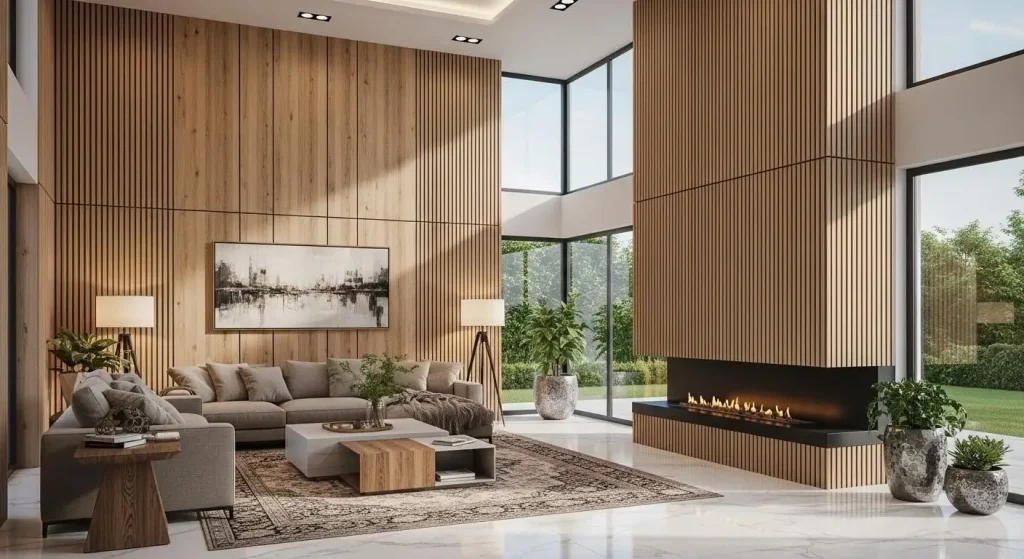
This guide gives you everything you need to know about Textured WPC interior walls—from material composition and key benefits to real-world applications, installation tips, and total cost of ownership. By the end, you will understand why thousands of specifiers are switching to WPC as their default wall solution.
What Are Textured WPC Interior Walls?
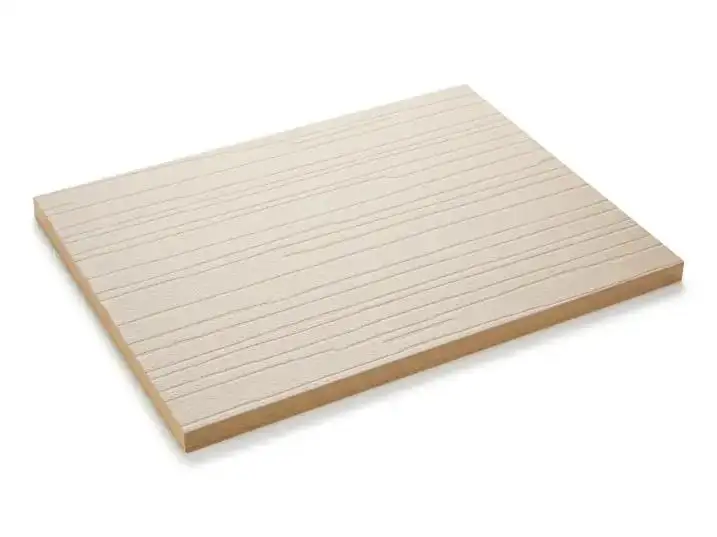
Textured WPC interior walls consist of wooden plastic composites (WPC). WPC uses recycled wood fibers, thermoplastics, and bonding agents. The panels are textured, where the textured panels are flexible, resembling the natural wooden design, linen, or leather.
Unlike adhesive layers or plastic sofas, the design is engraved on the layers. This means the design is not going to peel or wear over time. Because of this, they are designed to look like wooden panels with premium surfaces that are more resistant to moisture, insects, and scratches.
Here are some facts about the composition:
• 50% to 60% of the fibers are recycled wood.
• 30% to 40% of binding agents are thermoplastic.
• 5% to 10% of the adhesives are UV and fire resistant.
There are reasons why the typical wall materials don't work and why WPC triumphs.
Typical wall materials cannot withstand real-world situations:
• Painted drywall quickly becomes damaged and stained.
• Solid wood panels are expensive and are damaged easily by exposure to moisture.
• Vinyl or PVC panels are easily damaged and feel cheap.
Textured WPC panels offer a solution to all of these issues:
• They are not in danger of damage from moisture.
• They are impact resistant.
• They do not require maintenance or upkeep.
7 Advantages of Textured WPC Inner Walls
1. Lasting Lifecycle of 20+ years ‐ Most high-end WPC panels have warranties of 15-25 years. Drywall warranties are 7-10 years, but the practicality of drywall comes down to 7-10 years later.
2. Commercial (ASTM E84), B Class ‐ Many Textured WPC Inner Walls comply with commercial fire codes: 25 flame spread index and 450 smoke developed. For European projects, look at EN 13501-1 B-s1, d0.
3. 100% Waterproof ‐ They won't ever warp whether they're completely submerged or not. Perfectly applicable for hotel spas, indoor pools, and canteens.
4. Termite & Fungus Proof ‐ Organisms will not be able to dine on this material. Due to wooden fibers being encapsulated with plastic.
5. Low VOC, & LD compatible ‐ Zero added formaldehyde and recycled formulated materials sustain green-building certifications.
6. Rapid Installation ‐ Interlocking tongue-and-groove or click-lock systems shorten the labor per unit to about 50 percent of that required for tiled or drywall finished systems.
7. Infinite Textures & Colors ‐ Colors extend throughout the panel; they are not surface films, so the depth is real.
Ideal Areas for Textured WPC Inner Walls
Why you should consider WPC for use:
• Hotels & Restaurants
Suitable for lobby display walls, room accent walls, and the wet areas of the spa, as they are impact and scratch resistant.
• Commercial Offices
Ideal for reception, collaboration, and corridor walls (acoustic WPCs come with echo-proof technology and are suitable for multitasking zones).
• Retail & Showrooms
Excellent for display walls, lounge and fitted areas, as they're scratch resistant High Traffic. WPC is ideal for these areas.
• Hospitals and Clinics
Ideal for extreme use surfaces due to a strong resistance to extreme disinfectants (e g. bleach and quaternary ammonium) without the risk of oxidation and degradation.
• Residential
Finishing basements with shower surrounds, fireplace surrounds, and mudrooms. (Moisture or kids will be exposed to risk).
Textured WPC Interior Walls Installation Guide
Proper installation will allow for optimal performance. Take the following steps to ensure this:
Step 1 - Prepare the substrate: WPC can be installed over top of drywall, concrete, plywood, or existing tiles. The surface needs to be clean, dry, and flat (±1/8’’ over 6 feet).
Step 2 – Install furring strips (optional): For uneven walls or to run wiring behind, attach 1×2 wood or metal furring strips 16” on center.
Step 3 – Cut panels: Use a circular saw with a carbide-tipped blade (60+ teeth). Cut face-side up to prevent chipping.
Step 4 – Apply adhesive or screw: Most manufacturers recommend a combination: construction adhesive (e.g., PL Premium) on the back plus hidden screws through the tongue edge.
Step 5 – Click and tap: Engage the tongue-and-groove joints. Tap gently with a rubber mallet and a scrap block.
Step 6 – Finish edges: Use matching color trim, corner moldings, or a low-profile aluminum cap.
Pro tip: Acclimate panels in the room for 48 hours before installation (temperature 65–85°F, humidity <70%).
Maintaining Your WPC Walls – It Takes Minutes
One of the biggest selling points is how little care these walls require:
•Daily cleaning: Wipe with a soft cloth or microfiber mop. Use warm water and mild dish soap.
•Stubborn stains (marker, grease): Isopropyl alcohol (70%) on a rag. Do not use abrasive powders or steel wool.
•Graffiti removal: Commercial graffiti wipes or citrus-based cleaners work safely on textured surfaces.
•Never need to repaint or reseal.
Caution: Avoid acetone, bleach (unless the panel is specifically bleach-resistant), and pressure washers above 1,000 psi.
Top 5 Myths About Textured WPC Interior Walls – Busted
• Myth 1: “WPC is just plastic – it looks cheap.”
Reality: High-end embossing and deep grain textures are indistinguishable from real wood, even up close.
• Myth 2: “It cannot pass fire codes.”
Reality: Leading brands offer Class-A or Class-B rated panels. Always check the test report.
• Myth 3: “Wood fibers mean it will rot.”
Reality: The plastic fully encapsulates each wood particle – no water reaches the fiber.
• Myth 4: “Installation requires special tools.”
Reality: Standard woodworking tools (saw, drill, level, rubber mallet) are all you need.
• Myth 5: “It is too expensive.”
Reality: Upfront cost is mid-range, but lifecycle savings beat both drywall and solid wood.
Where to Source Quality Textured WPC Interior Walls
When selecting a supplier, demand:
•Third-party test reports (ASTM E84, ISO 22196 for antibacterial, etc.)
•UV stability rating (QUV testing for outdoor or sun-lit interiors)
•Material Safety Data Sheet (MSDS) confirming low-VOC
•Sample swatches – touch the texture before you buy
Recommended resources:
•WPC Manufacturing Standards – Composite Building Council
•Fire Safety Guide For Interior Wall Panels
•Global Supplier Directory – Textured WPC Walls
Final Verdict: Are Textured WPC Interior Walls Right For You?
If your project demands a wall surface that looks premium, lasts two decades, and never needs repainting – yes. Textured WPC interior walls are the answer. They eliminate the cycle of maintenance costs, withstand moisture and impacts, and meet strict fire safety standards. For hotels, offices, retail stores, and luxury homes, WPC is no longer a niche product; it is becoming the new standard specification.
Ready to transform your next project with Hengsu? Request your free samples of Hengsu’s Textured WPC Interior Walls today. Test the texture under your own lighting, put them through your real-world conditions. Your future self – and your facilities budget – will thank you.
FAQs
Q1: Is Hengsu’s Textured WPC Interior Walls waterproof?
Yes, they're 100% waterproof. They're ideal for areas like bathrooms, spas, basements, and even for projects near the beach.
Q2: Can I use standard carpentry tools for the installation?
Yes. Tools like circular saw, a drill, a level, and a rubber mallet are sufficient. Installation is even easier with the interlocking system.
Q3: What is the maintenance like?
Cleaning is really easy. Just use a cloth and some mild soap. The panels don't need any painting, sealing, or staining.
Q4: Are the panels available with commercial fire safety certifications?
Definitely. Hengsu panels are available with ASTM E84 Class-B or EN 13501-1 B-s1,d0 ratings. Please reach out for the test reports.
Q5: Are Hengsu panels available with custom textures or custom colors?
Yes. Hengsu can customize panels when it comes to custom embossing, and color matching for larger projects. Please ask for a quote to get started.


