



What Designers Love About WPC Accent Wall Panels: A Style Guide 101
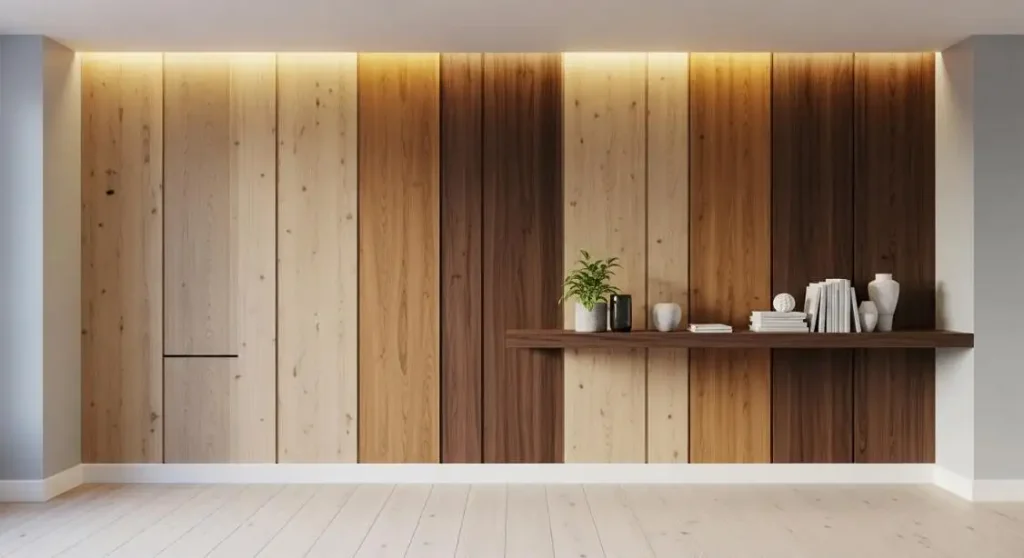
WPC Accent Wall Panels are winning the hearts of designers because they deliver big visual impact with low effort and long-term reliability.
Why WPC Accent Wall Panels Are Having a Moment
If you are new to the category, here is the simple idea. WPC Accent Wall Panels use a wood-plastic composite core wrapped in a durable decorative surface. The result looks like warm wood, but behaves like a stable, low-maintenance building product. Designers love them because they solve three problems at once:
- Style
- Speed
- Consistency.
Unlike painted feature walls, the finish is pre-made. Color and texture are consistent from panel to panel. Unlike solid wood, WPC resists warping and swelling when humidity swings. And unlike wallpaper, the dimensional profiles add light and shadow that bring depth to a flat room. For apartments, showrooms, cafés, and offices, that mix is hard to beat.
The Look: Textures, Colors, and Profiles Designers Choose
Profiles:
• WPC Accent Wall Panels: a style-first choice that adds texture, shadow, and clean lines, turning plain walls into focal points with minimal effort and maximum impact.
• Fluted Profiles: rounded grooves that catch light and cast soft, rolling shadows, adding movement and refinement ideal for entryways and calm living spaces.
• Slatted Profiles: crisp, repeated slats that build strong rhythm, feel architectural, improve acoustics, and suit modern media walls, home offices, and creative studios.
• Ribbed Profiles: wider, deeper channels for a calm, upscale presence; they read as premium, hide minor surface flaws, and pair well with classic furniture.
Lines:
• Vertical lines: elevate proportions, introduce quiet grandeur; pair with floor-to-ceiling drapery, tall millwork, and signature luminaires.
• Horizontal lines: broaden corridors and salons, reinforce long furnishings, and anchor rooms with ease.
• Fine slats: tailored and restrained; harmonize with velvety mattes, slimline hardware, and refined neutrals.
• Generous ribs: enduring and opulent; enrich with walnut, boucle, and layered light for executive suites or lounges.
Colorways:
• Light Oak: luminous and uplifting; a serene Scandi palette with whites, pale grays, and botanicals.
• Warm Walnut: enveloping and sophisticated; effortless with brass, leather, and heritage forms.
• Deep Charcoal: assertive and contemporary; frames collections and quiets digital displays.
• Concrete/Linen: poised neutrals - industrial edge or soft calm for textured, tranquil backdrops.
• Matte: quiet sophistication with practical benefits; diffuses light, conceals handling, and excels in touch-heavy, film-ready environments.
• Low-sheen wood grains: refined and near-natural; warmth and depth without the demands of hardwood.
• Edge trims and inner corners: tailored terminations around openings; tone-on-tone profiles maintain impeccable alignment.
• Bold Statements: mix two tones on the same wall for depth and zoning; run profiles at 45 degrees to create a dynamic chevron effect.
The Feel: Acoustics, Comfort, and Lighting Pairings
Good design is not only visual. Slatted WPC Accent Wall Panels can improve room comfort by softening echoes, especially when used with an acoustic felt backing or a small air gap. In real projects, assemblies like these often reach a Noise Reduction Coefficient (NRC) in the 0.45 - 0.75 range, depending on backing and cavity depth. That helps in meeting rooms, media walls, and hotel lobbies.
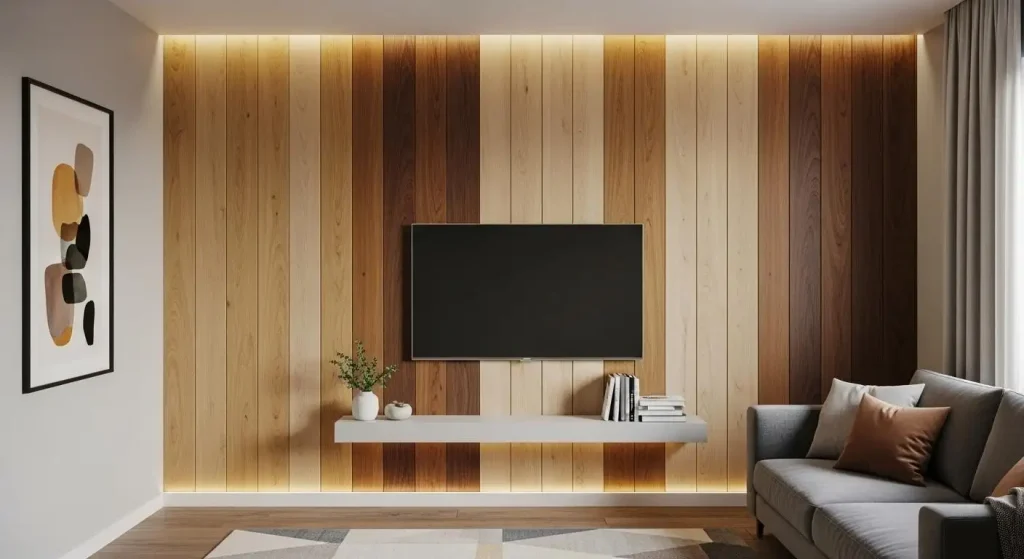
Lighting matters too. Profiles throw gentle shadows that change through the day. Pair panels with LED strip lights in reveals, or wash a fluted wall with wall grazers to highlight texture. Warm 2700 - 3000K light works well with wood tones. Cooler light suits grey and black finishes. The combination is simple but striking.
The Build: Materials and Performance That Matter
WPC stands for wood-plastic composite. Typical formulations use a mix of wood fiber (often 55 - 70%) and polymer (often 30 - 45%), plus additives for UV stability and fire performance. For wall panels, a co-extruded cap layer adds scratch resistance and easy cleaning. This structure brings practical benefits you feel every day.
Moisture and Durability
• Many WPC Accent Wall Panels take in far less moisture than MDF or solid wood, which helps prevent swelling at joints in humid seasons.
• Thermal movement is predictable and small when installed with proper gaps, so lines stay straight.
• The decorative cap resists stains. Most marks wipe off with a damp cloth and mild soap. No repainting, no refinishing.
Safety and Indoor Air Quality
• Many products meet low-VOC requirements and contain no added formaldehyde, a common plus over plywood or MDF. Look for certifications like GREENGUARD or E1/E0 emissions ratings.
• For code-sensitive interiors, ask for fire test data. Many lines achieve EN 13501-1 Class B-s1,d0 or similar local ratings, which is suitable for most interior walls. Always verify compliance with your local authority.
• Sustainability also matters. WPC often uses recycled wood fibers and recycled polymers. That reduces waste and cuts demand for slow-growth timber. And because panels arrive finished, you avoid on-site paint, fillers, and sanding.
The Install: From Mood Board to Finished Wall
You do not need a specialist to get a clean result. A careful DIYer or a small crew can finish a standard room in a day.
• Plan the layout
Measure the wall. Decide where you want full panels and where you can hide cuts (behind a TV, at a corner, or near the floor). Order a little extra to allow for offcuts.
• Prepare the surface
Walls should be dry, flat, and sound. Lightly sand bumps and fill large dips. If you need space for cables or acoustic wool, install simple battens first.
• Fix the panels
Most WPC Accent Wall Panels install with construction adhesive plus brad nails or hidden clips. Start from the most visible corner. Use a level. Leave small expansion gaps at edges as per the manufacturer guide.
• Finish the edges
Use matching trims for outside corners, window returns, and end caps. Caulk tiny gaps. Wipe the surface clean.
Rules of thumb help. Tall panels make fewer joints in high rooms. Vertical runs look best when aligned with door frames. If you plan a TV or art, install backing plates or mark cable runs before you close the wall.
• Where to Use WPC Accent Wall Panels
You can place them almost anywhere indoors. Living rooms and entry halls gain a clear focal point. Bedrooms use them as headboard walls. Home offices use them to improve acoustics behind a desk. In commercial spaces, they shine in reception desks, corridors, retail backdrops, and cafés. In humid rooms like bathrooms, keep panels outside direct splash zones, or specify panels rated for wet areas and seal all edges.
They also help hide imperfect walls. The small cavity can route low-voltage cables. Profiles distract the eye from minor surface waves that paint would expose.
How to Choose, and What Designers Check Twice
Before you buy, look beyond color. Ask for samples and test them in your light. Check straightness of profiles and the quality of the film wrap. Review the installation guide.
• Match the profile to the room scale
Wide ribs suit big walls. Slim slats suit compact rooms.
• Confirm performance for your use
If you need acoustic control, choose panels with felt backing and leave a small cavity. If you need higher fire performance, request current lab reports for the exact product.
• Verify indoor air claims
Look for low-VOC documentation. If you are sensitive to odors, unbox a sample and leave it in the room for a day.
• Plan the finish details
Order trims, inside corners, and end caps with the panels. It saves time and ensures a consistent look.
Call to Action
Ready to bring texture, warmth, and order to a flat wall? Request a free sample set of WPC Accent Wall Panels, share your room photos, and get a fast layout suggestion and quote. A single wall can change how a space looks, sounds, and feels - start yours today.


