



How Impact-Resistant PVC Wall Panels Protect Interiors: 2026 Explained
Busy spaces call for walls that are tough, easy to sanitize, and straightforward to install - impact-resistant PVC panels deliver exactly that. By 2026, the category is a trusted solution in residential and commercial interiors handling carts, spills, and routine knocks. These panels pair durable PVC chemistry with smart internal structure, so walls stay cleaner, safer, and far less fussy to maintain.
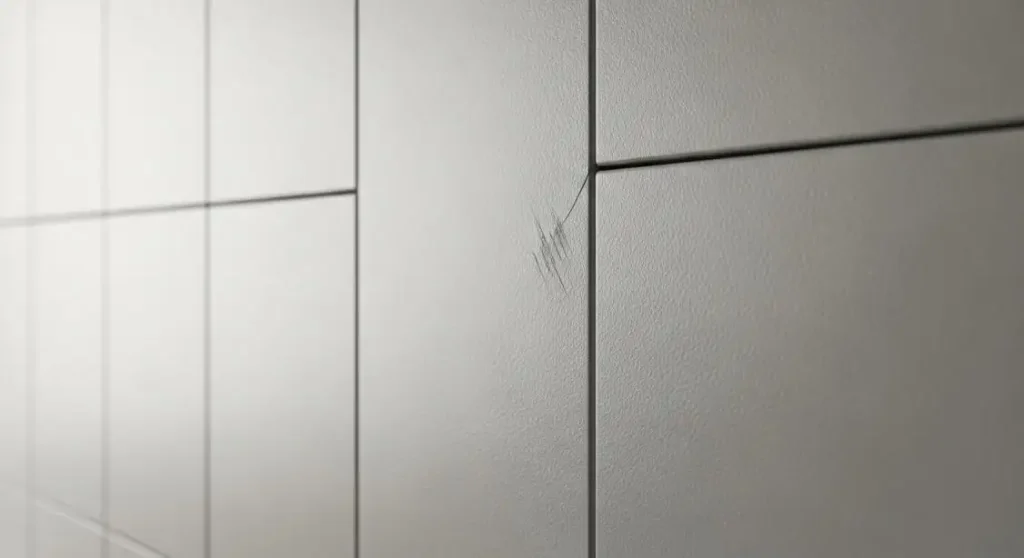
What Exactly Are Impact-Resistant PVC Wall Panels?
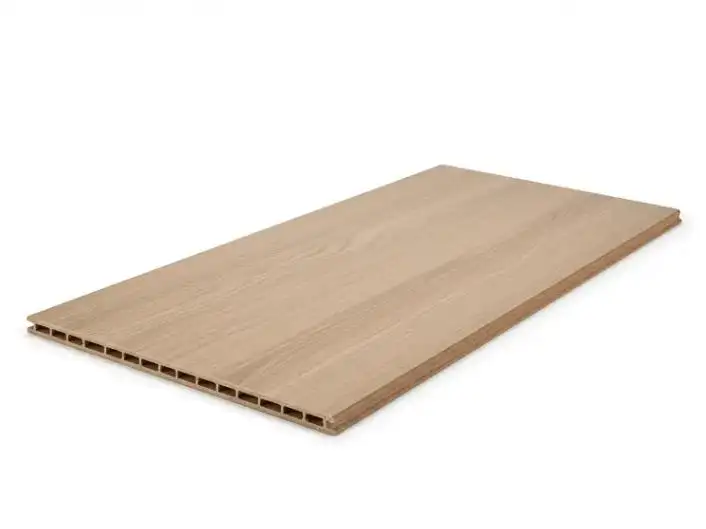
Impact-Resistant PVC Wall Panels are rigid or semi-rigid wall cladding boards made from polyvinyl chloride. Manufacturers blend impact modifiers and engineer the panel's profile - ribbing, thicker cores, or hollow webs - to help the surface absorb and spread force before it reaches the wall behind. The result is a protective skin that “gives” a little under stress and then rebounds, preserving the substrate and keeping finishes looking fresh.
Material-Science Advantage
No magic - just the right polymer characteristics:
• Controlled Compliance: The PVC matrix allows slight, elastic deformation on contact and snaps back, curbing permanent indentations.
• Energy Diffusion: Reinforced cores and ribs distribute force across a broader area, avoiding sharp, localized damage.
• Surface Toughness: Engineered skins and additives resist cracking and chipping when objects hit at angles.
• Moisture And Chemical Resistance: A non-porous surface blocks water and many common chemicals, discouraging mold and protecting the wall.
In plain terms, these panels absorb the bump so your drywall doesn't. That's attractive anywhere scuffs and impacts are routine - corridors, kitchens, utility rooms, labs, and light production zones.
The Test Results That Matter in Practice
Dependable brands disclose standardized results. When assessing Impact-Resistant PVC Wall Panels, concentrate on:
• Impact Resistance: Instrumented falling dart testing per ASTM D5420; some suppliers include Izod (ASTM D256) or Charpy (ASTM D6110). Compare ft-lb or joules at crack onset or failure.
• Tensile And Flexural Strength: Reference ASTM D638 (tensile) and ASTM D790 (flexural) for stiffness and load-bearing capacity before fracture.
• Fire performance: Submit ASTM E84 reports (flame spread and smoke developed) for interior use; indicate whether the assembly achieves Class A and reference manufacturer data and AHJ approvals.
• Chemical and moisture resistance: Submit chemical compatibility documentation and water uptake (%) data with the applicable test method identified.
• Hygiene and Cleanability: A smooth, sealed finish curbs contamination and simplifies cleaning; confirm any food/healthcare hygiene mandates before selection.
Quick tip: Balance specifications to your use case. For grocery back-of-house pathways, emphasize impact resistance and cleanability. For school gym corridors, emphasize scuff resistance and low-maintenance turnaround. For lab corridors, emphasize chemical resistance and hygienic, easily cleaned surfaces.
Where Impact-Resistant PVC Wall Panels Earn Their Keep
Built to take hits and simplify cleaning, these panels suit a broad mix of applications:
• Healthcare: Corridors, patient areas, and storage rooms that wheelchairs and carts regularly brush.
• Food Service: Commercial kitchens, prep zones, dish areas, and cold rooms that require routine sanitizing.
• Education And Recreation: Schools, gyms, and locker rooms that face constant bumps from sports gear and packs.
• Industrial And Retail Support: Warehouses, delivery bays, car washes, and back corridors with ongoing water and abrasion.
• Residential Utility: Garages, mudrooms, laundry rooms, and workshops where splash resistance and easy cleanup are essential.
• Labs And Light Manufacturing: Spaces that call for frequent disinfection without complicated maintenance.
How They Stack Up Against Drywall, FRP, Metal, and Tile?
It's about the right fit - traffic, moisture, maintenance, budget, and aesthetics all guide the choice.
Drywall
•Pros: Affordable, ubiquitous, simple to refinish or patch with paint.
•Cons: Dents/scuffs happen often; moisture-prone; repainting is continual where traffic is heavy.
FRP
•Pros: Chemical-resistant and wear-tough; commonly used in kitchens.
•Cons: Point-impact cracking is possible; seams/adhesives require diligent detailing; moisture behind panels can lead to delamination.
Metal (aluminum or steel)
•Pros: Tough and heat-stable; simple industrial look.
•Cons: Dents show clearly; heavier and pricier; may transmit noise; corrosion-inhibiting coatings required; conducts heat and cold well.
Ceramic or Porcelain Tile
•Pros: Extremely hard; excellent resistance to chemicals; premium, polished appearance.
•Cons: Easily damaged by localized strikes; grout demands ongoing maintenance; heavy, slow installation; greater investment overall.
Impact-Resistant PVC Wall Panels
•Pros: Durable against impacts, water-tight, quick wipe-clean, lightweight panels, rapid tongue-and-groove install. Strong long-term cost-effectiveness.
•Cons: Not suited close to high radiant heat; may scratch with abrasives; looks skew functional unless you choose upgraded finishes.
Installation Basics Even a Weekend Crew Can Handle
One reason Impact-Resistant PVC Wall Panels stand out in 2026 is how approachable they are for DIY teams and facilities staff.
Preparation
•Acclimate panels in the room for 24–48 hours.
•Confirm the substrate is dry, flat, and secure - drywall, plywood, or furring strips are common bases.
•Plan the layout, including trims, corners, outlets, and penetrations.
Cutting And Fixing
•Use a fine-tooth saw or appropriate blade; smooth cut edges.
•Engage tongue-and-groove or shiplap joints snugly without forcing.
•Attach via corrosion-resistant, color-matched capped screws or manufacturer-approved adhesive. Maintain uniform spacing between fasteners.
•Include small perimeter expansion gaps; in wet areas, seal those gaps with compatible silicone.
Trims And Sealing
•Fit inside/outside corner trims, end caps, and base trims.
•In shower areas or food prep spaces, carefully seal joints to prevent moisture entry.
Routine Care
•Use a mild cleaner and soft cloth; avoid abrasive pads and harsh chemical solvents.
•Conduct an annual maintenance check for fastener stability and sealant breakdown; re-seal compromised seams.
•If a panel is damaged, replace that single piece - modular panel systems make repairs fast and simple.
Design, Health, and Sustainability in 2026
Newer lines answer higher demands for design, disclosure, and responsible sourcing.
• Design Updates: Soft-matte, low-reflectance finishes; refined emboss; faux grout detailing; warmer wood-inspired tones; and corner protection built into the system.
• UV-Stable Choices: Advanced UV protection tailored to interior light, curbing discoloration and gloss loss.
• Health And Transparency: Look for low-VOC thresholds with EPD/HPD transparency; phthalate-free plasticizers and heavy-metal-free stabilizers are widely adopted.
• Circularity And End-Of-Life: Rising recycled content and offcut take-back initiatives. A longer service interval means fewer repaint cycles and less end-of-life disposal than paint-grade drywall. PVC's environmental record is contested - favor independently verified low-emission products, seal per spec, and maintain periodically to extend service life.
Quick Buying Checklist
Use this to compare Impact-Resistant PVC Wall Panels side-by-side:
• Thickness And Structure: Solid or hollow-core; 8–12 mm suits most impact-rated applications. Internal ribs/web structures increase stiffness and spread impact forces.
• Verified Impact Data: Ask for ASTM D5420 (or comparable) test reports with clear failure definitions.
• Fire And Code Compliance: Verify ASTM E84 ratings appropriate for your occupancy and mounting details.
• Hygiene and chemical resistance: Low-porosity, disinfectant-ready surfaces; verify conformity to sector regulations and guidelines.
• Temperature and UV: Review thermal ratings and prioritize UV-resistant materials for interiors with sustained solar exposure.
• Installation System: Tongue-and-groove interfaces, matched trim kits, and clear fastener/adhesive specifications.
• Aesthetics And Durability: Texture, color, gloss level, scratch resistance, and anti-yellowing performance.
• Documentation And Support: Availability of EPD/HPD, warranty terms, and responsive technical help.
Straight Answers to Common Questions
• Can They Go In Showers Or Commercial Kitchens? Yes. Use wet-zone panels and seal all joints, inside/outside corners, and any cutouts with the approved sealant.
• Can They Install Over Existing Walls? Frequently possible if the base is dry, plane, and intact. Comply with the installation prep guidelines.
• Are They Paintable? Generally not recommended. Pick your preferred finish upfront.
• Will They Yellow Over Time? Quality panels include UV stabilizers. For brighter sunlit interiors, select products labeled UV-stable.
• Are They Fire-Safe? Check ASTM E84 and follow installation instructions. Avoid close placement to high radiant heat sources unless properly shielded.
• Are They Recyclable? Some lines feature recycled content and/or offer take-back programs - verify local logistics and accepted materials.
Starter Tips:
• Order samples and test with your preferred cleaners using a soft pad to confirm scratch resistance and cleanability.
• Pilot a small utility area to learn cutting techniques, fastening, and sealing.
• Stick with manufacturer trim components and avoid over-torquing screws to permit thermal movement.
• Map outlets and any penetrations ahead of time; dry-fit to validate layout before final fastening.
• Assemble a maintenance kit: gentle detergent, non-abrasive cloths, extra trims, and sealant.
The Takeaway
In 2026, Impact-Resistant PVC Wall Panels provide long-lasting, hygienic protection for demanding interiors. Engineered impact ratings, straightforward installation, and easy maintenance make them a stronger choice than painted drywall in corridors, kitchens, utility rooms, and labs. Pair documented performance with your setting, select UV-stable and low-VOC options, and follow proper installation to achieve walls that look sharp, clean quickly, and shrug off daily traffic.


