



How WPC Wall and Ceiling Panels Perform in Humid Spaces
WPC Wall and Ceiling Panels are becoming a popular choice for bathrooms, kitchens, and other damp rooms, but many people still wonder how they really perform in humid spaces. These panels are made from a mix of wood fiber and plastic, designed to look like natural wood while acting more like a stable composite. But can they really handle constant steam, splashes, and daily cleaning? And what happens inside the panel when the air is always moist? In the following sections, we take a closer look.
Why Humid Rooms Need Smarter Surfaces
Humidity is more than visible water on tiles or mirrors. Steam from showers, cooking fumes, daily cleaning, and changes between hot and cold seasons all push moisture into the building envelope. Walls and ceilings are on the front line.
Traditional finishes often cope well during the first months, then begin to fail. Painted plaster can blister and crack as moisture moves in and out. Standard wood panels may warp, cup, or darken. Some low-grade laminates start to peel at the corners, especially near showers, sinks, or windows. For owners and operators, this means messy repairs, blocked rooms, and costs that nobody planned for.
From what we see at Hengsu, humid areas usually create three types of pain:
✅ Regular touch-ups that disturb guests, tenants, or staff
✅ Health concerns when mold or mildew appears on porous surfaces
✅ A high lifetime cost, even if the first material purchase seemed inexpensive
This is why more developers and contractors ask us how WPC Wall and Ceiling Panels behave when the air is always warm and damp. They want the warmth of a wood look, but with the stable behavior of a moisture-resistant composite.
- What Common Materials Struggle With
In bathrooms, kitchens, basements, laundry rooms, and low-level corridors, we notice the same patterns again and again:
✅ Gaps appear at joints as boards swell and then shrink back
✅ Corners, skirting zones, and lower wall sections soften after repeated mopping
✅ Ceiling areas above showers change color or show spots, even with regular cleaning
When these problems show up across dozens or hundreds of rooms, they stop being "small defects" and turn into a serious maintenance project. Hengsu designs WPC-based solutions with exactly these real-world conditions in mind.
Inside the Performance of Hengsu WPC Wall and Ceiling Panels
Our WPC Wall and Ceiling Panels are built around a composite core that blends wood or bamboo fibers with thermoplastic polymers. In simple terms, the fibers bring a natural feel, while the polymer network protects the panel from the swelling and shrinking you see in solid wood or some boards. The panel behaves more like a stable engineered product than a piece of raw timber.
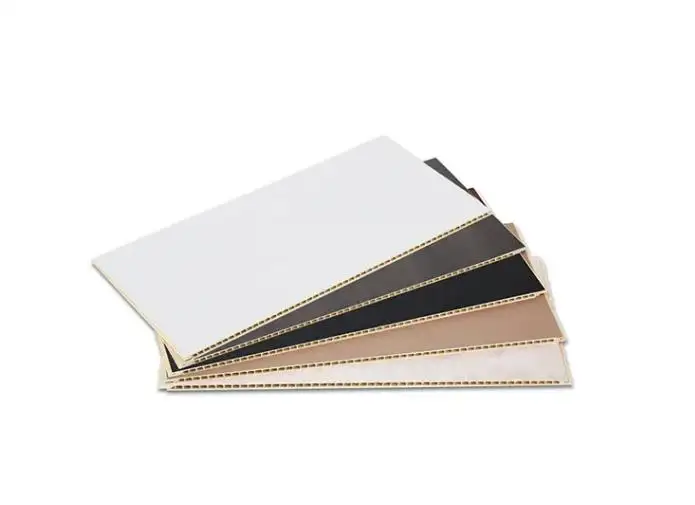
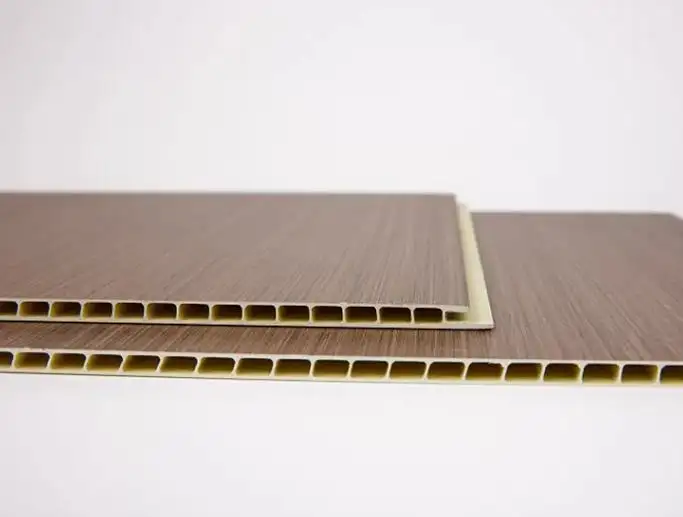
A typical Hengsu wall panel is around 9 mm thick and about 600 mm wide. This size covers large surfaces quickly but still works well in renovation projects where every millimeter matters. Inside, a butterfly-style hollow structure helps reduce weight per square meter. Installers can carry and position longer lengths without fatigue, even in tight stairwells or small bathrooms.
On the surface, a decorative PVC film or similar finish delivers the final look. Designers can choose from wood grains, stone-inspired patterns, or calm neutrals. Because the finish is applied in a controlled process, color and texture stay consistent from panel to panel. This is especially important in hotels, apartments, and branded spaces where any variation is immediately visible.
- What Makes the Core Work in Humid Conditions
In damp rooms, the real performance advantage comes from what happens inside the panel, not only from the wipe-clean surface:
• The polymer matrix reduces water absorption, so the core does not act like a sponge
• Internal cell structures help control how moisture can move through the panel
• Good dimensional stability keeps edges, seams, and corners straight over the long term
In everyday use - bathrooms, laundry areas, semi-open balconies, basement halls - WPC Wall and Ceiling Panels from Hengsu stay flatter and more predictable. You see fewer waves, fewer gaps, and fewer "soft" zones where clients tend to press the wall and complain.
Practical Benefits that Matter on Site
For humidity-prone spaces, we focus on performance details that make a visible difference over several years, not just at handover.
- Moisture and Hygiene Performance
The outer surface of the panel is non-porous and easy to clean. When staff wipe away condensation or splashes, they are working on a sealed layer, not a thirsty material. Moisture struggles to reach the core, which helps reduce the conditions that support mold and mildew. This is valuable for hotels, rental apartments, schools, and healthcare spaces where hygiene is part of the brand promise.
- Everyday Impact Resistance
Humid rooms are rarely "quiet" rooms. In corridors, entry areas, and family homes, walls are hit by luggage, trolleys, cleaning tools, and children's toys. The composite core used in Hengsu WPC Wall and Ceiling Panels is more resistant to dents and scratches than many painted surfaces. This keeps walls looking newer for longer, especially where moisture already puts stress on the building fabric.
- Simple Care and Lower Lifetime Cost
With WPC, there is no need to plan regular repainting, polishing, or sealing. Daily care is usually a neutral cleaner and a soft cloth or mop. For building operators, this means less labor, fewer material purchases, and less disruption for users. Over a five- to ten-year period, small savings on every room and corridor add up to a visible reduction in lifecycle cost.
- Fast, Clean Installation
Panels are designed to work with tongue-and-groove profiles or hidden clips. Installers can cut them on site and fit them around lights, ducts, and pipes without special tools. On humid projects, a faster, cleaner installation not only reduces labor time but also helps control dust and exposure of bare substrates to the environment.
Turning Humidity Risks into a Design Advantage
At Hengsu, we do not see humid rooms as a weak point in the project. We see them as a chance to raise the overall standard of the building. When walls and ceilings stay straight, bright, and modern-looking, everyone gains:
• Owners deal with fewer complaints and enjoy longer renovation cycles
• Facility managers can focus on planned upgrades instead of constant patching
• Designers see their concepts remain intact, even after heavy daily use
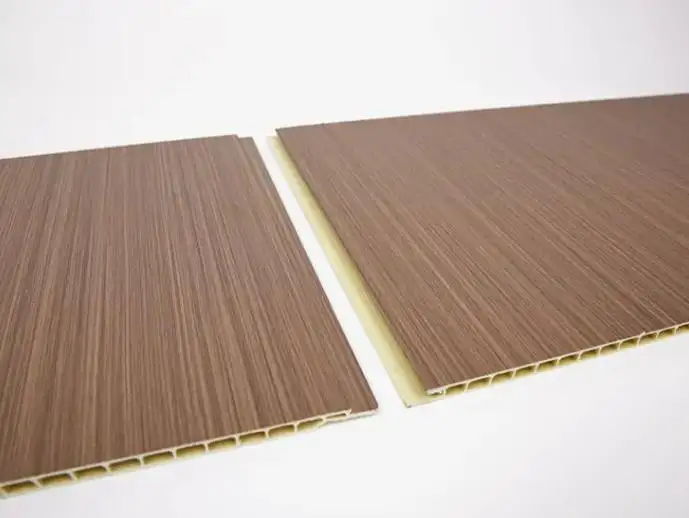
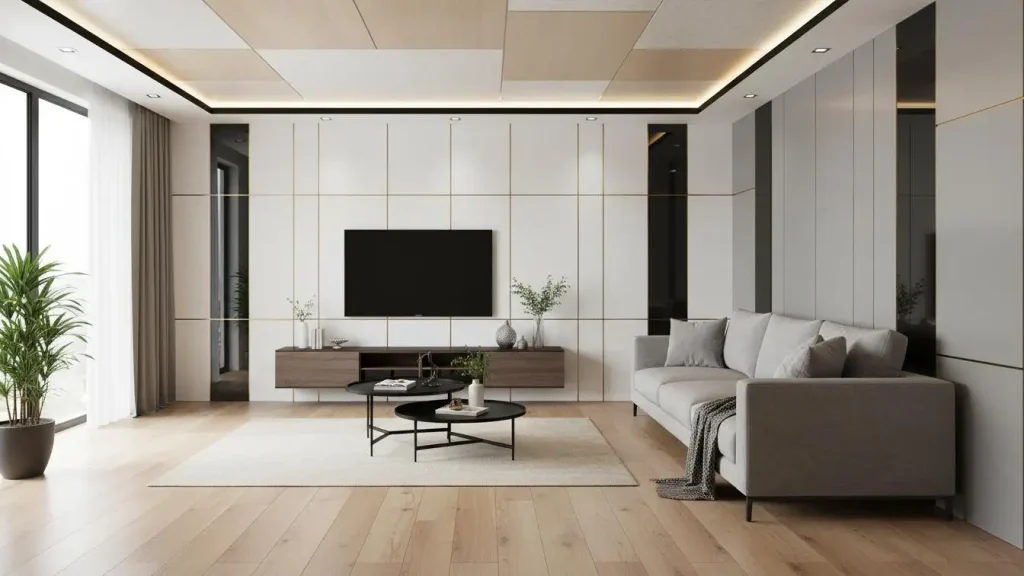
WPC Wall and Ceiling Panels give you one flexible system for many positions: full-height walls in bathrooms, half-height protection in corridors, ceiling finishes in kitchens, and accent walls behind TVs or headboards. Using one color family or coordinated palette, you can carry the same design story from dry living areas into wet zones without switching to less attractive "utility" finishes.
If you are planning a new project - or updating an older one - with bathrooms, kitchens, basements, or semi-outdoor passages, this is a good moment to reconsider your wall and ceiling strategy.
Ask yourself:
❓ How often do you want to shut down rooms for repairs in the next decade?
❓ How important is it that surfaces look like wood but behave like a moisture-stable composite?
❓ Are your current materials aligned with your real lifecycle cost targets?
If these questions feel familiar, it may be time to explore a different approach. Hengsu can support you with samples, color books, and practical advice on WPC Wall and Ceiling Panels for different humidity levels and building types.
If you want walls and ceilings that still look confident after years of steam, splashes, and daily traffic, talk to the Hengsu team. We will help you choose a WPC solution that protects your design and your budget in every humid space you build.


