



Bamboo Fiber Wall Panels: A Sustainable, High-Performance Choice for Modern Interiors
Bamboo Fiber Wall Panels are quickly becoming a practical favorite for architects, designers, and contractors who need interiors that look good, perform well, and meet tougher sustainability targets. As regulations tighten and more clients ask about VOC levels, carbon footprints, and long-term maintenance, these panels offer a realistic alternative to traditional paint, wood boards, and ceramic tiles.
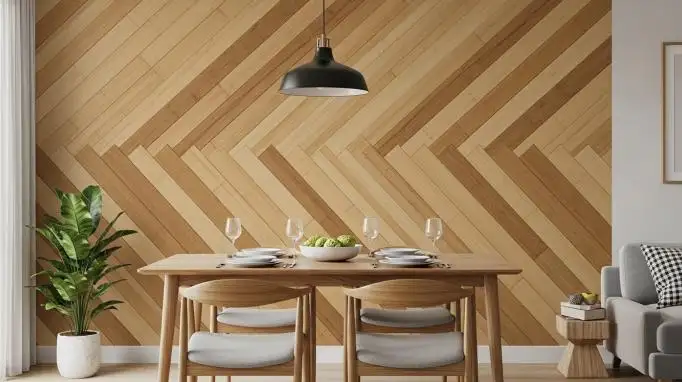
Instead of relying on slow-growing timber alone, Bamboo Fiber Wall Panels use fast-renewable bamboo combined with modern polymers and surface technologies. The result is a lightweight, durable wall system that installs quickly, works in many project types, and still supports healthier indoor spaces.
What Are Bamboo Fiber Wall Panels Made Of?
At the heart of Bamboo Fiber Wall Panels is finely ground bamboo fiber. Bamboo grows fast, can be harvested repeatedly without replanting, and helps reduce pressure on natural forests. This makes it an attractive option for projects that want lower-carbon, renewable content in their material mix.
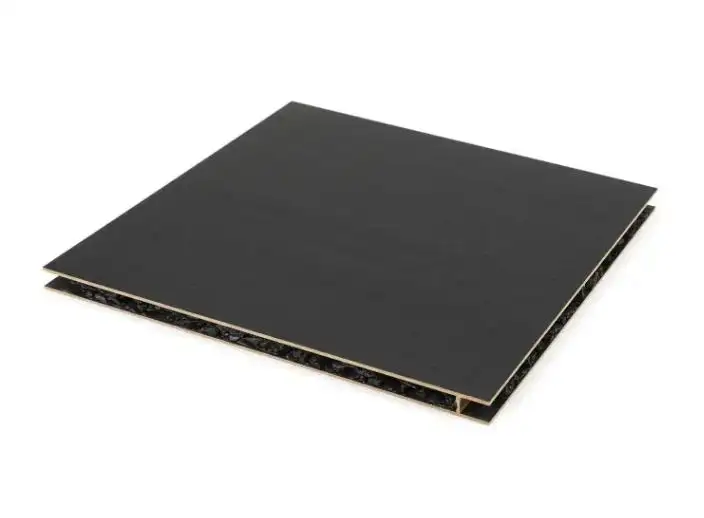
The bamboo fiber is blended with base resins such as PVC, PE, or polyester. When it comes to interior wall cladding, many manufacturers choose PVC-based compounds for their stable dimensions, robust moisture resistance, and favorable cost-to-performance ratio. By adjusting the share of bamboo fiber and polymer, manufacturers can fine-tune panel stiffness, weight, and surface flatness for different uses.
To reach modern building and safety standards, a range of additives is usually included, such as:
- Flame-retardant agents to achieve B1 or higher fire classifications
- UV and heat stabilizers to reduce fading and brittleness over time
- Color masterbatch and decorative films to create wood, stone, leather, or textile effects
- Antibacterial and anti-mildew options for hygiene-sensitive projects
Some premium Bamboo Fiber Wall Panels also add bamboo charcoal to the core. The material's porous nature allows it to absorb certain smells and balance moisture levels, which is valuable in tight areas or rooms with limited ventilation.
Typically, the product is made on a continuous line: after dry mixing, the compound passes through an extruder to form hollow or solid sections, which are then cooled and cut to length. Surface finishes are applied by lamination, hot-pressing, embossing, or UV coating. Digital printing and deep 3D textures allow the panels to mimic natural materials closely while staying easy to clean and maintain.
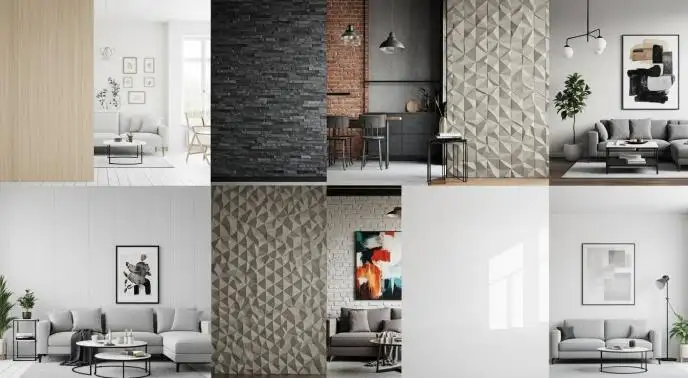
Practical Performance of Bamboo Fiber Wall Panels on Site
Bamboo Fiber Wall Panels are not decorative afterthoughts; they are designed to work in real buildings with real users. Thanks to the reinforced composite core, the panels stay flat and stable but can still take everyday knocks, making them a smart choice for hallways, schools, offices, and living areas. Unlike standard timber boards, they are less likely to swell, warp, or crack when conditions change, and when you compare them to SPC and other rigid plastic options, Bamboo Fiber Wall Panels are generally lighter, more installer-friendly to cut, and easier to handle in upper-level or confined renovation projects.
Their performance edge includes:
•Impact-tolerant construction - Hollow or foamed cores help the panels withstand everyday knocks, keeping corners and edges intact for longer.
•Reliable moisture barrier - The polymer matrix combined with sealed outer layers reduces water penetration, so the panels are well suited to kitchens, bathrooms, laundries, and below-grade spaces.
•Fire performance - With the right formulation, Bamboo Fiber Wall Panels can reach B1 or even A2 fire ratings, supporting use in hotels, public buildings, and escape routes.
•Acoustic comfort - Internal cavities and fiber-filled cores can soften sound and reduce echoes, improving comfort in offices, schools, and hospitality spaces.
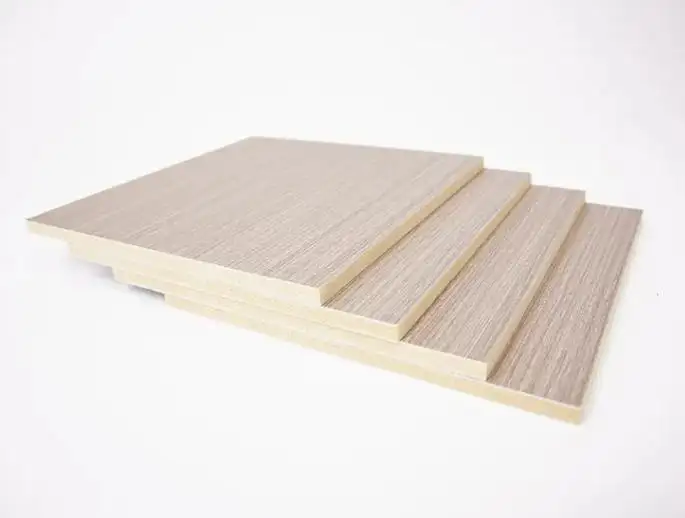
•Surface durability - UV-coated or laminated finishes resist scratches and stains, cutting down on repainting or resurfacing cycles.
•Thermal comfort - Compared with tile or exposed concrete, the panels feel warmer to the touch and make walls feel less "cold" in everyday use.
From a health and sustainability point of view, Bamboo Fiber Wall Panels also fit current priorities. Many systems avoid urea–formaldehyde binders and achieve very low formaldehyde emissions, supporting better indoor air quality. The use of fast-growing bamboo, the possibility of integrating recycled polymers, and longer replacement cycles all contribute to a more sustainable building strategy.
Installation and On-Site Advantages
One reason contractors and installers like Bamboo Fiber Wall Panels is the speed and simplicity of installation. They are typically installed as a dry system, with no plaster curing, no sanding dust, and no multiple coats of paint.
Common fixing methods include:
•Clip-on systems with concealed fasteners for clean, continuous surfaces
•Adhesive bonding directly onto sound, flat substrates in renovation projects
•Keel or frame systems in light steel or timber to level uneven walls and hide services, wiring, or insulation behind the panels
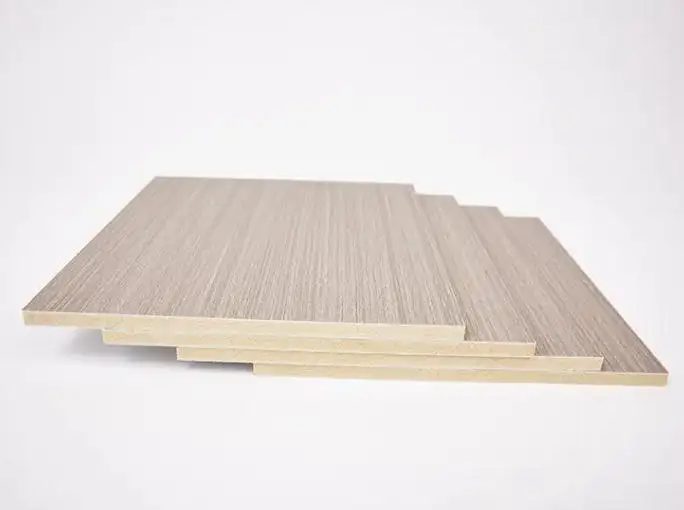
Because the panels are relatively light, they can often be handled by two people without lifting equipment. Large-format Bamboo Fiber Wall Panels can cover full wall heights with fewer joints in lobbies and open-plan areas, while shorter or narrower boards are easier to maneuver in stair cores, elevators, and compact rooms.
For hotels, offices, retail, and other businesses that cannot afford long downtime, this speed matters. Spaces can be refurbished, cleaned, and reopened in a shorter time compared with wet trades or tile installations, reducing both disruption and labor costs.
- Where Bamboo Fiber Wall Panels Work Best
Bamboo Fiber Wall Panels are not limited to one type of building. They are now used across three main sectors:
• Residential interiors
Homeowners use them for full-room wall cladding or for feature zones such as TV walls, headboards, and balcony enclosures. Wood-look designs bring warmth, while stone and concrete effects create a more minimalist, contemporary feel. In small apartments, closets, or entry areas, versions with bamboo charcoal cores can help manage odors and humidity.
• Commercial and hospitality spaces
Hotels, serviced apartments, offices, restaurants, and retail stores appreciate the combination of clean aesthetics and fast installation. In many cases, there is no need to strip away the old finish; it can remain hidden behind the new system, helping to lower waste volumes and dust levels. With built-in impact resistance, low-effort cleaning, and sound-absorbing qualities, Bamboo Fiber Wall Panels are well suited to corridors, entrance lobbies, boardrooms, and guest zones.
• Public and institutional buildings
Hospitals, schools, airports, and transport hubs require safe, hygienic, and robust surfaces. Low-VOC, flame-retardant Bamboo Fiber Wall Panels with optional antibacterial functionality meet these needs while remaining easy to wipe down and disinfect. Smooth, closed surfaces support strict cleaning routines and help maintain a professional appearance over time.
How Bamboo Fiber Wall Panels Compare to Other Materials
When choosing wall finishes, most project teams compare cost, durability, appearance, and sustainability:
Versus SPC panels - SPC is extremely rigid and tough but fully plastic. Bamboo Fiber Wall Panels offer similar visual effects with a lighter, more pleasant touch and renewable content in the core.
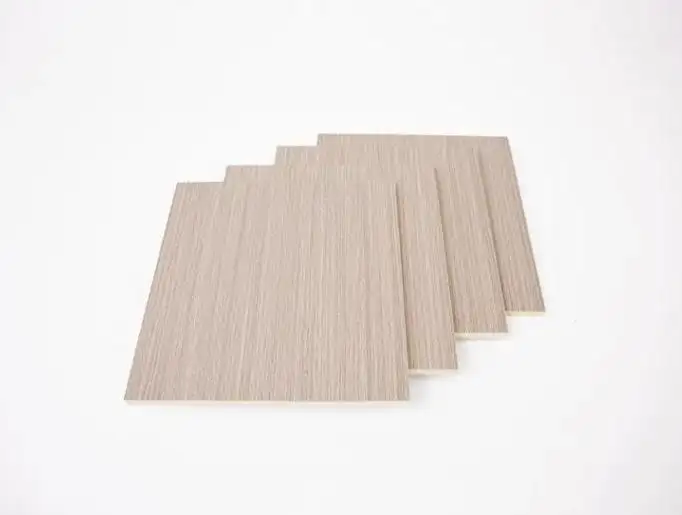
Against wood veneer or solid wood, natural wood delivers an unmistakable upscale feel, though it is sensitive to humidity and must be carefully maintained. Bamboo Fiber Wall Panels bring a similar warm, wood-like aesthetic with less day-to-day upkeep and improved resistance to warping or cracking.
Against ceramic tiles, tiles score well on longevity and water resistance, but they are heavy, require skilled and labor-intensive installation, and the grout between them tends to stain, affecting the overall look. Panels are faster to fit, easier to cut, and usually quieter and warmer in everyday use, especially in living areas and bedrooms.
For many projects, Bamboo Fiber Wall Panels become a balanced option: modern, flexible design, strong technical performance, and a credible sustainability story, without the installation complexity of more traditional materials.
Conclusion: Why Bamboo Fiber Wall Panels Are Moving Mainstream
By combining renewable bamboo fibers, engineered polymers, and advanced surface finishes, Bamboo Fiber Wall Panels offer a practical answer to the twin pressures of performance and sustainability. They help designers create interiors that are healthier, easier to maintain, and visually consistent across different spaces and building types.
Hengsu is investing in low-carbon chemistries, circular design, and higher certification levels to support ambitious green building targets. This gives designers a highly adaptable wall solution that suits contemporary lighting, textures, and furnishings, while contractors gain a lightweight, fast-install panel that reduces wet trades and site delays. As the market pushes harder for eco-conscious materials and cleaner indoor environments, Bamboo Fiber Wall Panels are poised to shift from a "nice-to-have" product to a default selection for many interior projects.


