


Best Decorative Wall Cladding Panels 2026: Trends, Materials & Expert Guide
The best decorative wall cladding panels for 2026 prioritize sustainable bamboo fiber, high-performance WPC, and deep-textured "Quiet Luxury" finishes. These materials are replacing traditional paint by providing long-term durability, moisture resistance, and superior acoustic properties for modern interiors.
In this guide, you will:
- Identify the top-performing cladding materials for 2026.
- Compare technical specs for WPC, SPC, and bamboo charcoal.
- Discover 2026’s "Sensory Design" and color trends.
- Avoid common installation pitfalls that ruin professional finishes.
1. The 2026 Shift: Why Panels are Replacing Paint
In 2026, interior design has moved away from the flat, sterile look of painted drywall toward "Warm Minimalism." Homeowners and designers now prioritize tactility—the physical sensation of a surface. Decorative panels offer a depth of field that paint cannot replicate, turning structural walls into focal points.
The "Quiet Luxury" trend is driving this shift. Instead of flashy decor, the focus is on high-quality, seamless materials like best wall cladding materials 2026. For example, using a deep "Silhouette" espresso brown charcoal panel in a home office creates an immediate sense of enclosure and premium comfort that standard matte paint fails to achieve.
2. Top Materials Comparison: Bamboo Fiber, WPC, and SPC
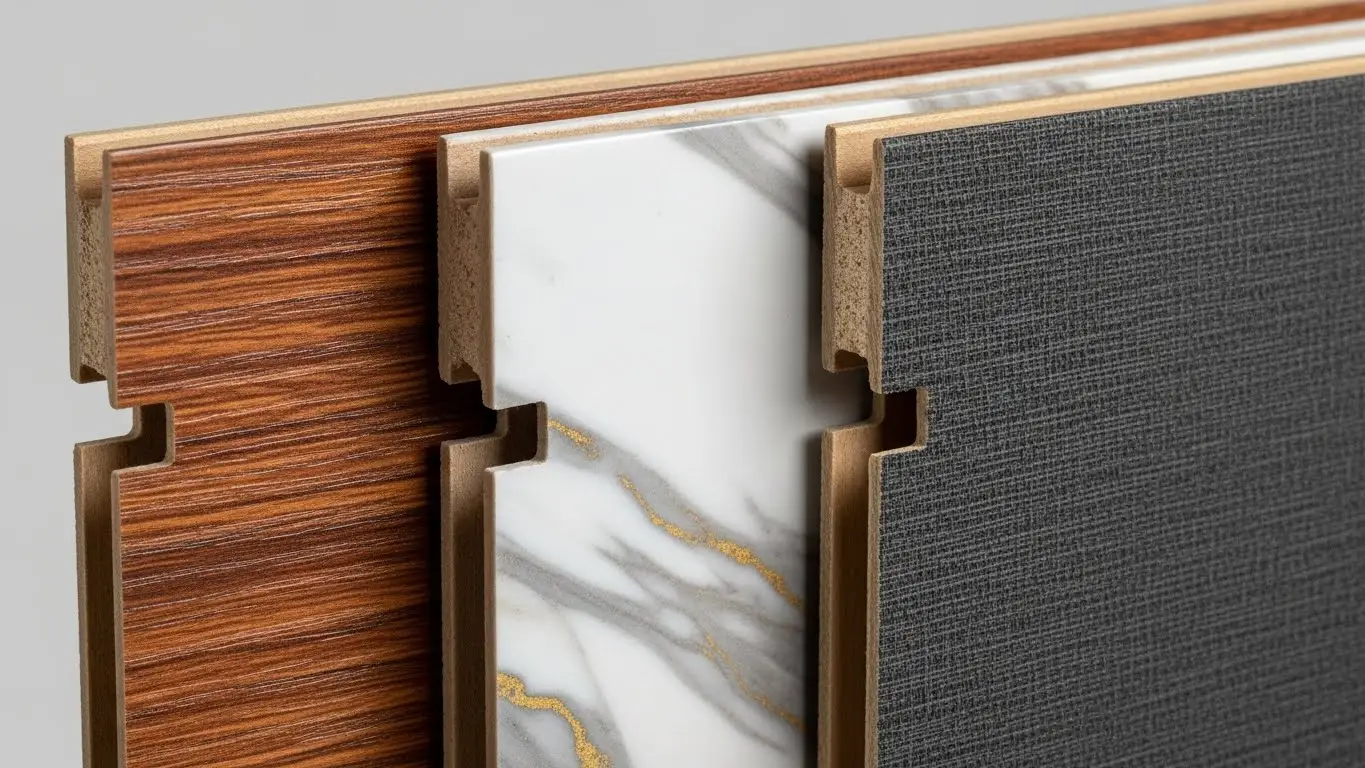
Choosing the right substrate is the most critical decision for any 2026 project. Based on our 20 years of manufacturing experience, the industry has standardized around three primary composites:
| Feature | Bamboo Fiber / Charcoal | WPC (Interior) | SPC (Stone Plastic) |
| Durability | High (Impact Resistant) | High | Ultra-High (Hard) |
| Eco-Score | Excellent (Renewable) | Good (Recyclable) | Moderate |
| Moisture Resistance | Superior | High | 100% Waterproof |
| Tactile Feel | Warm / Organic | Wood-like | Cold / Stone-like |
Bamboo Charcoal PVC Wall Board is the standout for 2026. These integrated wall panels use bamboo particles to create a breathable yet moisture-proof barrier. This makes them ideal for high-humidity areas like bathrooms where traditional wood would eventually warp or develop mold.
Common Mistakes to Avoid:
- Ignoring Expansion Gaps: Even high-quality WPC needs a 1-2mm gap to breathe; ignoring this causes buckling.
- Substrate Mismatch: Using heavy SPC panels on thin drywall without proper reinforcement.
3. Key Style Trends for 2026
Fluted & Slat Panels (Biophilic Design)
Biophilic design—incorporating nature-inspired elements—remains dominant. Vertical slat panels create a sense of height and rhythm. In 2026, we see a move toward "Micro-Flutes," which are narrower and more delicate than the chunky slats of previous years.
3D Geometric Patterns (The "New Retro")
The "New Retro" style uses 3D textured panels to create play between light and shadow. These are no longer just for accent walls; designers are using them for full-room immersion in hospitality settings to enhance the "sensory" experience.
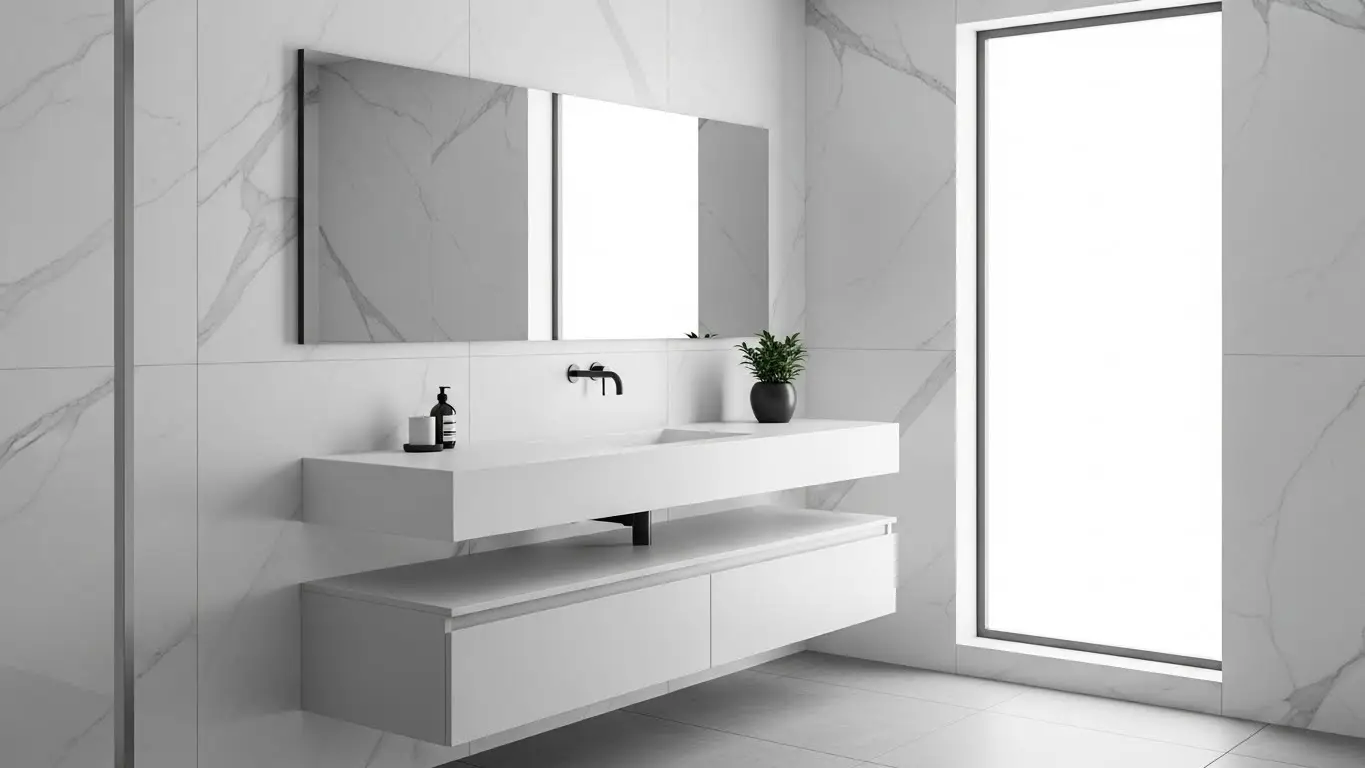
Seamless Marble & Stone Veneers
The goal for 2026 is "zero-seam." Advanced tongue-and-groove systems allow for large-format stone looks without the weight or cost of real marble. These are often paired with best interior wall cladding panels 2026 to create a cohesive, high-end environment.
4. Sustainability & Health: The VOC-Free Standard
Indoor air quality is a non-negotiable metric for 2026 building standards. Homeowners are increasingly wary of Volatile Organic Compounds (VOCs) found in traditional adhesives and paints.
Bamboo fiber panels are the "Green Winner" because bamboo is a rapidly renewable resource that naturally requires fewer chemicals during processing. Most premium 2026 panels meet a Formaldehyde Emission Grade of E0 or E1 (needs verification of local regional certification). High-quality panels also carry a B-s1, d0 fire rating, meaning they are flame-retardant and produce minimal smoke, making them safe for commercial skyscrapers and residential bedrooms alike.
5. Professional Installation Gaps: The Click-and-Stick Era
Modern wall cladding has moved into the "Click-and-Stick" era, significantly reducing labor costs. Most systems now utilize a tongue-and-groove "integrated" design that hides fasteners completely.
Step-by-Step Integration:
- Leveling: Ensure the base wall is within a 3mm deviation.
- Adhesive Application: Use a high-tack, low-VOC structural adhesive in a "serpentine" pattern.
- Engagement: Slide the tongue of the new panel into the groove of the previous one until you hear or feel a "click."
- Finishing: Use matching L-strips or J-trims for corners to maintain the seamless look.
Pitfall: Never use water-based adhesives in bathrooms or kitchens; they will eventually fail due to humidity. Always specify a polyurethane-based structural adhesive for these zones.
6. Verdict: Which Panel is Best for You?
The "best" panel depends entirely on your environment. For luxury living rooms, Fluted Bamboo Fiber provides the best acoustic and visual warmth. For high-traffic commercial hallways, SPC or WPC offers the impact resistance required for longevity. If you are looking for external solutions, refer to our guide on the best exterior wall cladding panels 2026.
2026 FAQ: Decorative Wall Cladding
Are wall panels outdated in 2026?
No, wall panels are currently seeing a resurgence as a premium alternative to paint, specifically within the "Quiet Luxury" and biophilic design movements that favor texture over flat color.
Can I install WPC panels in a bathroom?
Yes, WPC and bamboo charcoal panels are highly moisture-resistant and will not rot or mold, making them superior to natural wood for bathroom environments.
Do these panels provide soundproofing?
While not professional-grade soundproofing, fluted and slat panels significantly reduce echo and improve room acoustics by breaking up flat surfaces that reflect sound waves.
Can wall panels be installed over existing tile?
Yes, most lightweight composite panels can be installed directly over tile using a high-strength structural adhesive, provided the tile is clean, dry, and securely bonded to the wall.
What is the lifespan of a bamboo charcoal panel?
When installed correctly in an interior environment, high-quality bamboo charcoal panels are designed to last 20 to 25 years without significant fading or structural degradation.
How do I clean decorative wall panels?
Simply use a soft, damp microfiber cloth with a pH-neutral cleaner; avoid abrasive pads or harsh chemicals which can damage the UV-protective top layer.
Are these panels fire-rated for commercial use?
Most premium WPC and bamboo fiber panels carry a Class B fire rating (B-s1, d0), which is generally acceptable for most commercial interior applications (needs verification for specific local building codes).
What is the 2026 trend for panel colors?
The 2026 palette focuses on "Warm Neutrals," including mushroom, terracotta, and deep "Silhouette" browns that mimic charred timber (Shou Sugi Ban).


