


Best Fire Resistant Wall Cladding Panels 2026: A Buyer’s Guide
The best fire resistant wall cladding panels for 2026 are those that meet the updated EN 13501-1 temperature-based standards, such as Magnesium Oxide (MgO) boards for non-combustibility or fire-retardant WPC for a balance of aesthetics and Class B safety. Selecting the right panel requires matching the material's fire rating (Class A or B) to the specific safety requirements of your residential or commercial project.
What this guide helps you control:
- Compliance: Navigate the mandatory January 2026 EN safety revisions.
- Material Selection: Compare MgO, WPC, and fiber cement performance.
- Project Safety: Identify specific ratings required for high-risk zones.
- Long-term Value: Avoid common installation errors that void fire certifications.
Why Fire Resistance is Non-Negotiable in 2026
Fire safety is no longer just a checkbox; it is the foundation of modern interior architecture. By 2026, global building codes have shifted to prioritize materials that not only resist ignition but also minimize smoke density and toxic emissions. Statistics indicate that smoke inhalation remains a leading cause of fire-related injuries, making "smoke visibility" (the 's' in Euroclass ratings) as critical as flame spread.
For high-rise residential buildings, non-combustible cladding is now standard for exit routes, while single-family homes increasingly adopt fire-retardant materials in high-heat areas like kitchens. Understanding these needs is the first step toward a safer build. For a broader look at modern surfaces, you can explore the best wall cladding materials 2026 to see how safety integrates with overall design trends.
Understanding Fire Ratings: Class A, B, and the New 2026 Standards
The regulatory landscape has changed significantly. As of January 31, 2026, the EN 13501-1 revision replaces subjective visual assessments with an objective temperature-based pass/fail system.
The 270°C Threshold
Under the new rules, cladding must prevent the temperature of the underlying substrate from exceeding 270°C. If the material allows the wall behind it to reach this temperature, it fails the safety audit, regardless of whether the panel itself caught fire.
Decoding Euroclass Ratings (EN 13501-1)
- Class A1: Non-combustible. No contribution to fire (e.g., Stone, MgO).
- Class A2: Limited combustibility with no flashover risk.
- Class B: Very limited contribution to fire. This is the gold standard for decorative but safe best decorative wall cladding panels 2026.
- The "s" and "d" markers: s1 denotes little to no smoke, while d0 means no flaming droplets.
Common Mistake: Assuming "fireproof" and "fire-resistant" are the same. Nothing is 100% fireproof; materials are rated by how long they can resist a fire before structural or thermal failure.
Top 5 Fire Resistant Wall Cladding Panels for 2026
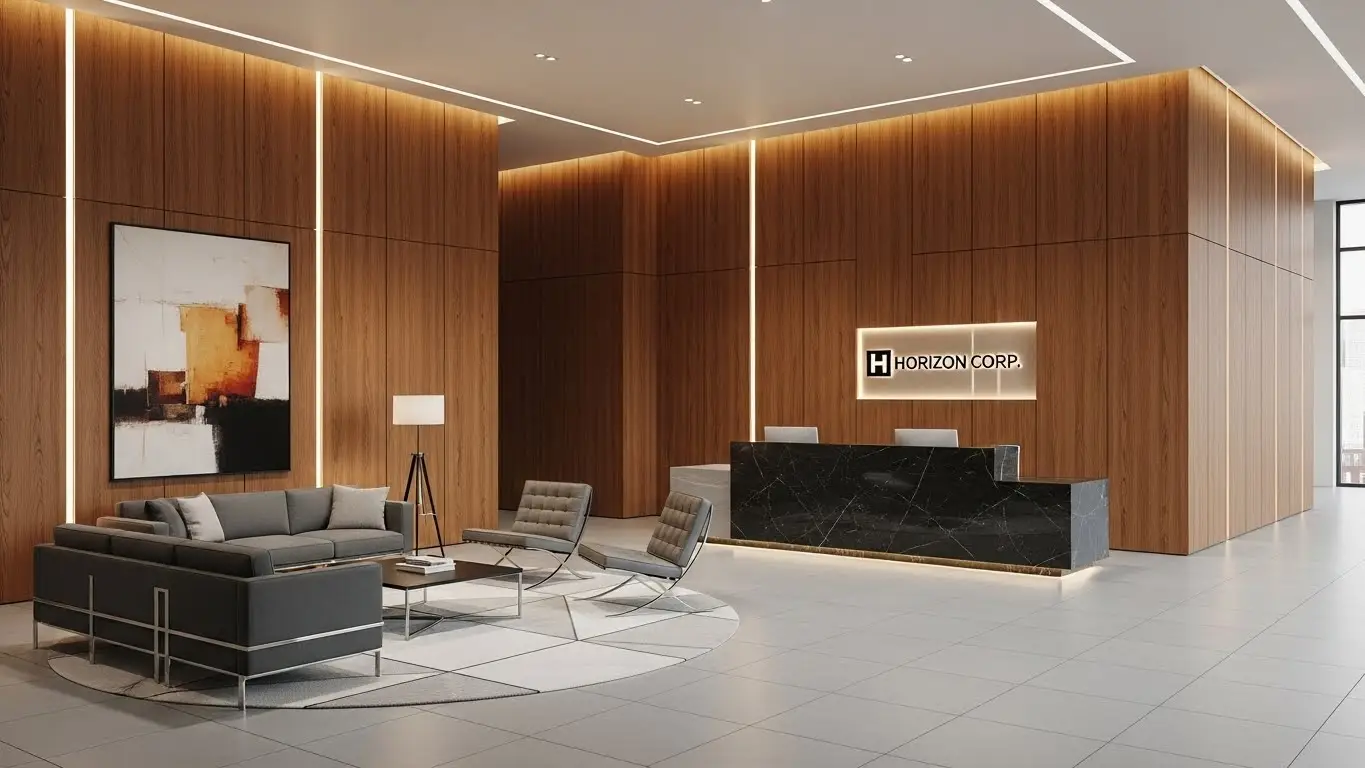
1. Magnesium Oxide (MgO) Boards (Best for Extreme Heat)
MgO boards are the heavyweights of fire safety. Rated Class A1, they are non-combustible and can withstand temperatures up to 1,200°C for up to four hours.
- Pros: Zero smoke production, mold-resistant, and high impact strength.
- Best for: Commercial kitchens, elevator shafts, and furnace rooms.
2. Fire-Retardant WPC Panels (Best for Aesthetics)
Wood-Plastic Composite (WPC) has evolved. Modern fire-retardant WPC uses mineral-rich additives to achieve a Class B-s1, d0 rating.
- Pros: Mimics natural wood without the fire risk; easy to install.
- Best for: Hotel lobbies, office corridors, and modern living rooms.
3. Aluminum Composite Material (ACM) with FR Core
Not all aluminum panels are equal. The 2026 standard requires a mineral-filled fire retardant (FR) core to prevent the "chimney effect" during a blaze.
- Pros: Lightweight and sleek; available in endless colors.
- Best for: Large-scale commercial interiors and tech hubs.
4. Fiber Cement Panels (Best for Durability)
A mix of sand, cement, and cellulose fibers, these panels are inherently non-combustible (Class A1 or A2).
- Pros: Exceptional moisture resistance and longevity.
- Best for: High-traffic public zones and industrial spaces.
5. Bamboo Fiberboard (Eco-Friendly Safety)
Modern bamboo composites are treated with fire suppressants to meet Class B requirements. These are often categorized among the best waterproof wall cladding panels 2026 due to their dense, moisture-wicking properties.
- Pros: Sustainable and aesthetically unique.
- Best for: Green-certified buildings and eco-resorts.
How to Choose Panels Based on Room Type
Selecting the best fire-resistant panel depends on the specific risks of the room:
- Kitchens & Laundry Rooms: High heat and moisture require Class A1 MgO or fiber cement. Avoid materials that rely solely on surface coatings for fire resistance, as grease and steam can degrade these over time.
- Bedrooms & Living Areas: Smoke density is the primary concern here. Look for s1 (low smoke) ratings in WPC or bamboo composites to ensure safe evacuation paths.
- Commercial Corridors: These are designated "protected routes." Regulations often mandate a minimum of Class B-s1, d0 to prevent rapid fire spread through the building's spine.
Common Mistake: Installing exterior-rated fire panels indoors without checking for VOC emissions. Some exterior retardants use chemicals that are not safe for unventilated indoor spaces.
Installation & Maintenance: Preserving Fire Integrity
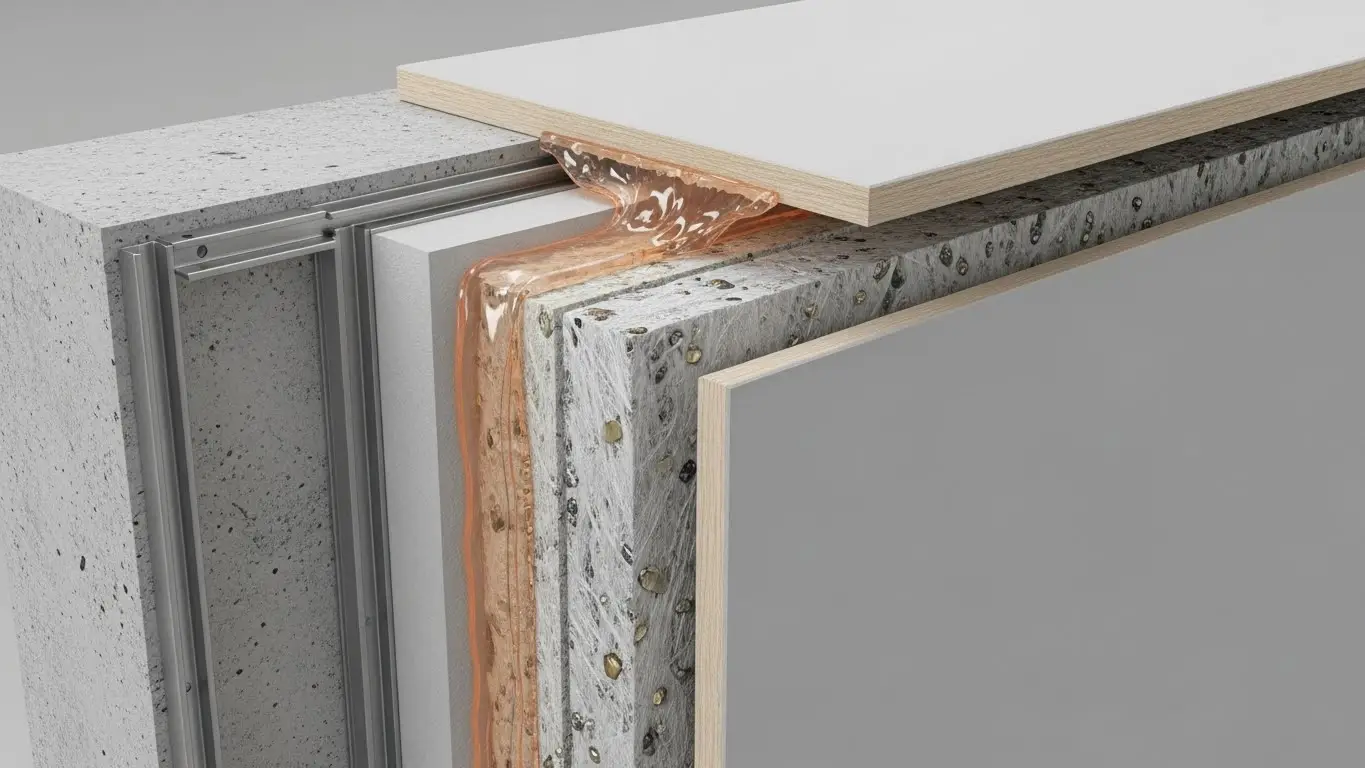
Even the best Class A panel will fail if the installation is flawed.
- Use Fire-Rated Adhesives: Standard construction glue can become an accelerant. Always use intumescent adhesives that expand when heated to seal gaps.
- Mind the Air Gap: Some systems require a specific air gap for ventilation, but this gap must be fitted with fire cavities or barriers to prevent it from acting like a flue.
- Maintenance Checks: Fire-retardant coatings can be compromised by abrasive cleaning chemicals. Use only pH-neutral cleaners and check for surface damage annually.
Frequently Asked Questions
What is the highest fire rating for wall panels?
The highest rating is Class A1 under the EN 13501-1 standard. This classification indicates that the material is non-combustible and makes no contribution to fire growth or spread at any stage.
Are WPC panels fire resistant?
Standard WPC panels are combustible, but fire-retardant versions are specifically engineered to reach Class B-s1, d0. These treated panels significantly delay ignition and produce very little smoke.
What is the 270°C rule for 2026?
As of January 2026, cladding must pass a test where the underlying wall temperature does not exceed 270°C. This objective metric ensures that even if a panel doesn't burn, it effectively insulates the building's structure.
How do I tell if wall cladding is fire rated?
Look for a stamped certification on the back of the panel or request a lab test report from the manufacturer. It should explicitly state a classification like "Class B-s1, d0" or "ASTM E84 Class A."
What is the difference between fire-resistant and fire-retardant?
Fire-resistant materials (like MgO) are inherently non-combustible and don't burn easily. Fire-retardant materials are typically combustible items treated with chemicals to slow down the spread of flames.
Can I paint fire-resistant wall panels?
Yes, but you must use fire-rated paint. Standard latex or oil-based paints can create a flammable film over a safe panel, effectively voiding its fire rating.
Conclusion: Prioritize Safety Without Sacrificing Style
Choosing the best fire-resistant wall cladding panels in 2026 is a balance of rigorous safety compliance and aesthetic vision. With the introduction of the 270°C threshold, materials like Magnesium Oxide and mineral-core WPC have become the industry leaders for those who refuse to compromise on either protection or design.


