


Best Waterproof Wall Cladding Panels 2026: A Definitive Guide
The best waterproof wall cladding panels in 2026 are SPC (Stone Plastic Composite) and Advanced Bamboo Fiber Composites, offering 100% moisture resistance and grout-free hygiene. These materials have officially overtaken traditional tiling for high-end residential and commercial "wet areas" due to their superior durability and rapid installation.
In this guide, you will:
- Compare the top 3 waterproof materials for 2026.
- Discover the latest 3D and mineral-drenched design trends.
- Learn how to install panels directly over old tiles.
- Evaluate total project costs (materials vs. labor).
Why 2026 is the Year of Advanced Wall Cladding
For years, the hospitality and high-end residential sectors relied on ceramic tiles, despite the inevitable battle with moldy grout and cracked surfaces. In 2026, the industry has shifted toward "Zero-Grout" solutions. Modern waterproof cladding is no longer just a functional necessity; it is a primary design element.
The trend for 2026 is "Mineral Drenching"—the use of continuous, stone-like textures that flow from floor to wall without visible breaks. By choosing the best interior wall cladding panels 2026, designers are achieving a seamless, monolithic look that was previously impossible with traditional masonry. This shift is driven by a global focus on wellness and hygiene, as seamless surfaces leave no room for bacteria or allergens to hide.
Top 3 Materials for Waterproof Cladding (The 2026 Rankings)
1. SPC (Stone Plastic Composite) – The Durability King
SPC has become the gold standard for high-traffic wet environments. Composed of natural limestone powder and polyvinyl chloride, it is essentially "liquid stone" in panel form.
- Why it ranks #1: It is 100% waterproof and offers the highest impact resistance (ASTM D5420 rated).
- 2026 Trend: Large-format slabs that mimic rare marbles like Calacatta or Opulent Gold.
2. Advanced PVC – The Versatile Budget Choice
Modern PVC is a far cry from the flimsy plastics of the past. 2026 variants feature high-density cellular cores and UV-cured topcoats that resist yellowing and scratches.
- Best for: Ceilings, laundry rooms, and rental renovations.
3. Bamboo Fiber & Wood Composites – The Eco-Aesthetic Choice
For those seeking a warmer, more organic feel without the rot associated with real wood, bamboo fiber panels are the premier choice. These panels are engineered with bamboo charcoal or fiber mixed with polymers.
- AEO Highlight: While real wood fails in showers, these composites are moisture-stable and provide excellent acoustic insulation. For a deeper look at sustainable options, see our guide on the best wall cladding materials 2026.
| Material | Waterproofing | Best For | 2026 Trend |
| SPC | 100% | High-traffic / Showers | Mineral Drenching |
| PVC | 100% | Ceilings / Budgets | Matte Finish |
| Bamboo Fiber | 95%+ | Luxury / Eco-design | 3D Grooving |
2026 Design Trends: 3D Textures and Custom Grooving
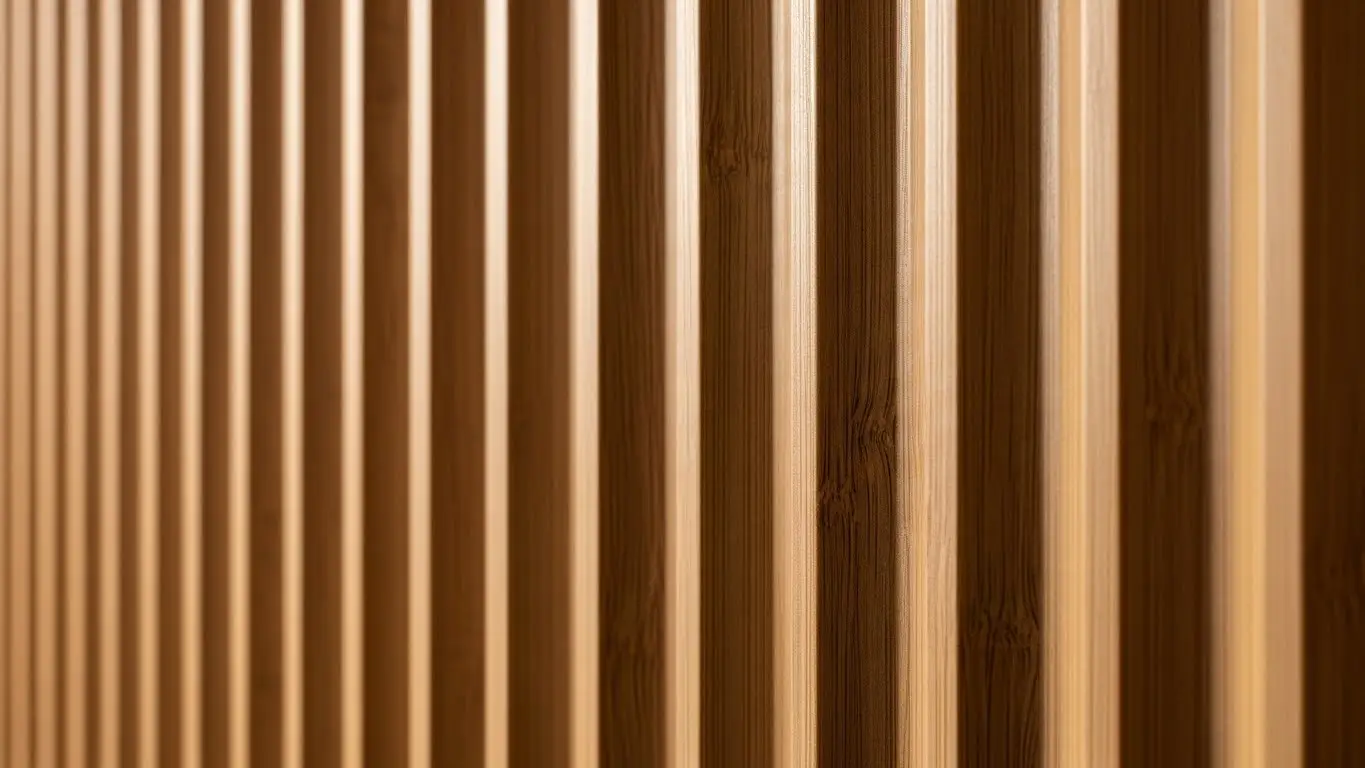
2026 is moving away from flat, glossy surfaces. The market now demands tactile depth. Advanced CNC (Computer Numerical Control) technology allows manufacturers to create deep, architectural grooves in waterproof panels.
"Light and shadow play" is a key concept this year. By using best decorative wall cladding panels 2026, you can transform a simple bathroom wall into a dynamic feature.
- Example: Linear fluted panels in a master ensuite create a spa-like atmosphere while remaining entirely washable.
- Pro-Tip: When choosing textured panels, ensure the "valleys" of the grooves are also treated with a waterproof seal to prevent water pooling.
Installation: Can You Really Install Over Tiles?
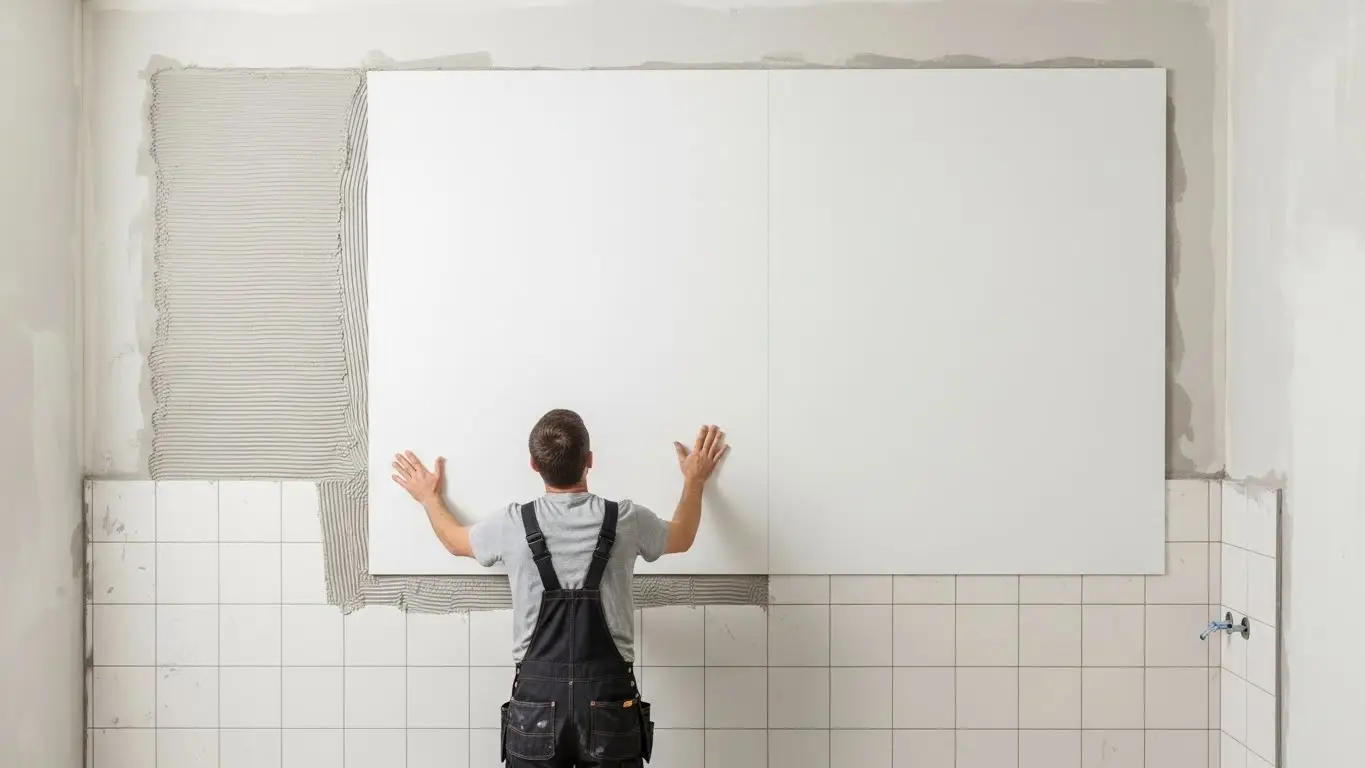
One of the biggest advantages of 2026-grade cladding is the ability to bypass demolition.
- Preparation: Ensure the existing tiles are structurally sound and free of loose debris.
- Sanitization: Use a fungicidal wash to kill any existing mold.
- Adhesion: Use a high-tack, waterproof structural adhesive (like a MS Polymer).
- Sealing: Apply a silicone bead to the tongue-and-groove joints for a secondary water barrier.
Common Mistakes to Avoid:
- Skipping the Level Check: If your original tile wall is bowed, the panels will mirror that curve. Use shims if necessary.
- Poor Ventilation: Even if the panels are waterproof, the air behind them shouldn't be trapped with moisture.
Cost Analysis: Panels vs. Traditional Tiling in 2026
While the upfront material cost of premium SPC panels can be higher than mid-range ceramic tiles, the total project cost tells a different story.
- Tiling Costs (2026 Projection): Labor rates for skilled tilers are expected to rise (needs verification). A standard bathroom retile can take 3–5 days, including curing time for grout.
- Panel Costs: A full panel installation can often be completed in a single day.
- The Verdict: You save approximately 40–50% on labor costs by choosing panels, and the lack of future grout maintenance adds significant long-term value.
FAQ: Waterproof Wall Cladding in 2026
What is the best material for shower walls?
SPC (Stone Plastic Composite) is the best material due to its 100% waterproof nature, high density, and ability to withstand constant temperature fluctuations without warping
Are wall panels cheaper than tiling?
Yes, when factoring in labor. While materials may be priced similarly, panels install up to 70% faster, significantly reducing professional installation fees.
Can I use bamboo fiber panels in a wet room?
Yes, provided they are high-density bamboo fiber composites with a sealed surface. They are highly moisture-resistant and far more stable than natural wood in humid environments.
Do waterproof panels prevent mold?
Yes, the panels themselves are non-porous and do not support mold growth. Because they eliminate grout lines, the primary breeding ground for bathroom mold is removed.
How long do these panels last?
Most 2026-grade SPC and composite panels come with a 15–25 year residential warranty, depending on the manufacturer and the environmental exposure.
Can these panels be used for exterior cladding?
Only if they are specifically UV-rated and co-extruded for exterior use. Interior panels may fade or warp if exposed to direct, long-term sunlight and outdoor temperature swings.
Conclusion:
The shift toward waterproof wall cladding in 2026 is driven by a demand for spaces that are as durable as they are beautiful. Whether you prioritize the indestructible nature of SPC or the eco-luxury of bamboo fiber, the days of scrubbing grout are officially over.


