


Best Sustainable Wall Cladding Panels 2026: The Ultimate Eco-Guide
The best sustainable wall cladding panels in 2026 prioritize a circular lifecycle, utilizing rapidly renewable bamboo fibers or recycled wood-plastic composites (WPC) to minimize environmental impact. By choosing materials with ultra-low VOC emissions and high thermal efficiency, you can create spaces that are as healthy for occupants as they are for the planet.
What you will control with this guide:
- Carbon Footprint: Identify materials with the lowest embodied carbon.
- Indoor Air Quality: Ensure compliance with 2026 E0 and non-toxic standards.
- Project Longevity: Select durable panels that resist moisture and fire.
- Waste Reduction: Implement zero-waste, modular installation systems.
The 2026 Shift: Why "Sustainable" Cladding is Now Mandatory
In 2026, the global construction industry has moved past "eco-friendly" as a marketing buzzword toward mandatory circularity. New frameworks, such as the Resources and Circularity Readiness Framework, are pushing architects and B2B procurement officers to account for every stage of a material’s life.
Sustainability now refers to the Circular Economy—the ability of a wall panel to be recycled or repurposed in 20 years rather than ending up in a landfill. Furthermore, as energy costs fluctuate, the insulation properties of your cladding are critical for reducing a building's operational carbon. This shift is also driving aesthetic preferences toward best modern wall cladding panels 2026 that blend high-tech performance with organic, biophilic textures.
Top 5 Sustainable Cladding Materials to Watch in 2026
1. Bamboo Fiber & Bamboo Charcoal Panels
Bamboo is the "super-material" of 2026. Because it can grow up to 91 cm in a single day (needs verification), it is one of the most rapidly renewable resources on Earth. Bamboo charcoal panels, specifically, leverage the porous nature of charcoal to naturally purify indoor air, absorbing odors and regulating humidity.
2. Recycled WPC (Wood-Plastic Composite) Systems
WPC remains a powerhouse in sustainable design because it effectively diverts plastic waste and wood offcuts from landfills. Modern WPC in 2026 uses up to 90% recycled content and requires zero toxic staining or sealing. If your project involves high-moisture environments like bathrooms or outdoor terraces, you should consider the best waterproof wall cladding panels 2026 to ensure the material doesn't swell or degrade over time.
3. Reclaimed Timber & Charred Wood
Reclaimed wood offers a unique history and zero "new" embodied carbon. Techniques like Shou Sugi Ban (charring the wood surface) provide natural pest and fire resistance without the need for chemical flame retardants.
4. Bio-Based Mineral Panels
A rising trend for 2026 is the use of panels grown from mycelium or hemp-lime composites. These "biogenic" materials actually sequester carbon during their growth and are fully biodegradable at the end of their lifecycle.
5. Recycled Polymer & SPC (Stone Plastic Composite)
SPC panels utilize limestone powder and recycled polymers to create ultra-thin, incredibly durable surfaces. They are ideal for high-traffic commercial zones where impact resistance is just as important as the environmental footprint.
Common Mistakes to Avoid:
- Greenwashing: Accepting a "recycled" claim without a specific percentage (look for 60%+ post-consumer waste).
- Adhesive Negligence: Using sustainable panels but installing them with high-VOC toxic glues.
Performance Comparison: Sustainability vs. Durability
| Material Type | Carbon Footprint | Moisture Resistance | Fire Rating (Class) | Expected Lifespan |
| Bamboo Fiber | Very Low | High | B1/B2 | 20+ Years |
| Recycled WPC | Low | Excellent | B1 | 25+ Years |
| Reclaimed Wood | Neutral | Moderate | C/D | 15-50 Years |
| Bio-Minerals | Negative (Sequesters) | Low | A2/B1 | 15+ Years |
While bio-based materials like mycelium have the best carbon profile, they often lack the moisture resistance of WPC or bamboo fiber. For architects, the goal is to balance the specific needs of the room with the lowest possible environmental cost.
Health First: Low-VOC and Non-Toxic Indoor Air Quality
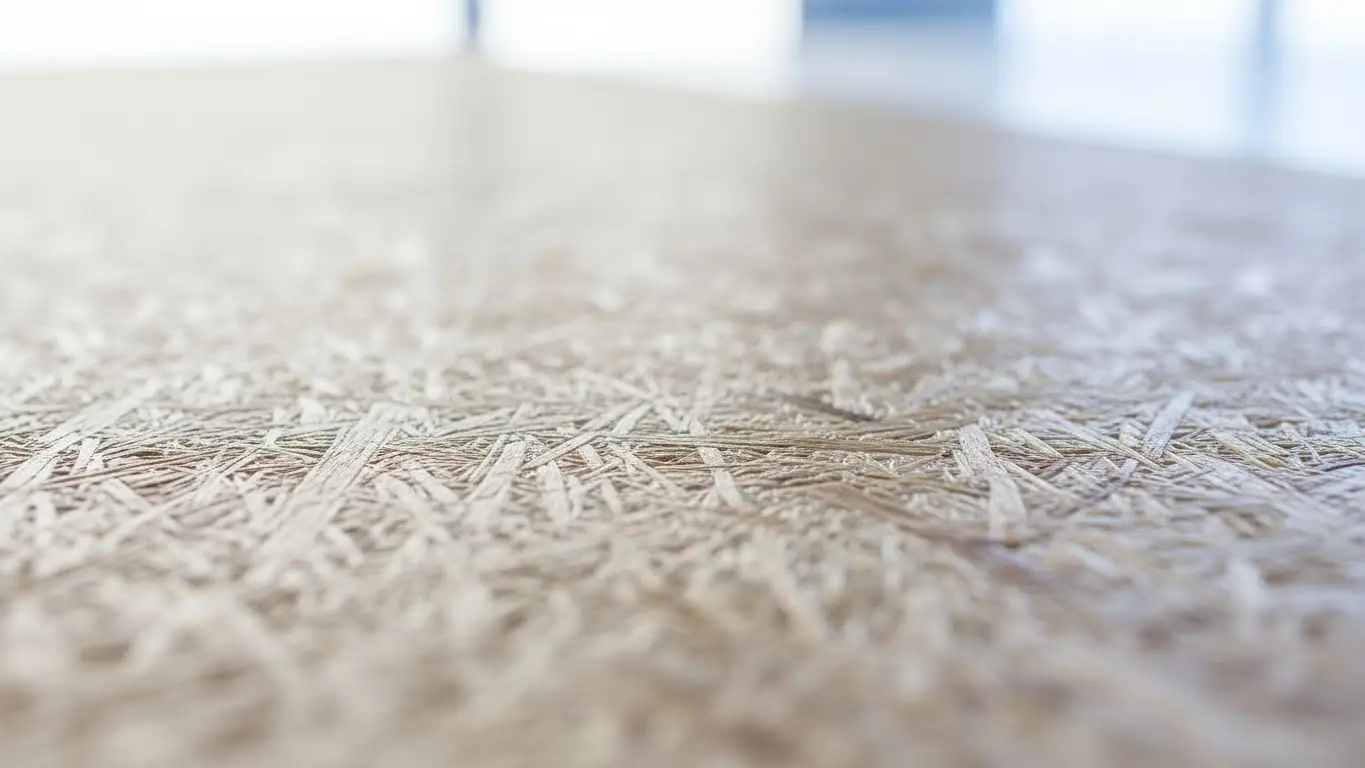
Indoor air quality (IAQ) is no longer an afterthought. In 2026, the E0 standard (formaldehyde emissions ≤ 0.5 mg/L) is the baseline for high-end residential and healthcare projects. Some manufacturers are even achieving "Super E0" or F★★★★ (Japan) levels of ≤ 0.3 mg/L.
VOCs (Volatile Organic Compounds) can off-gas for years, contributing to "Sick Building Syndrome." By selecting panels made from bamboo charcoal or bio-polymers, you aren't just decorating—you are installing a passive air filtration system.
Future-Proof Installation: Reducing On-Site Waste
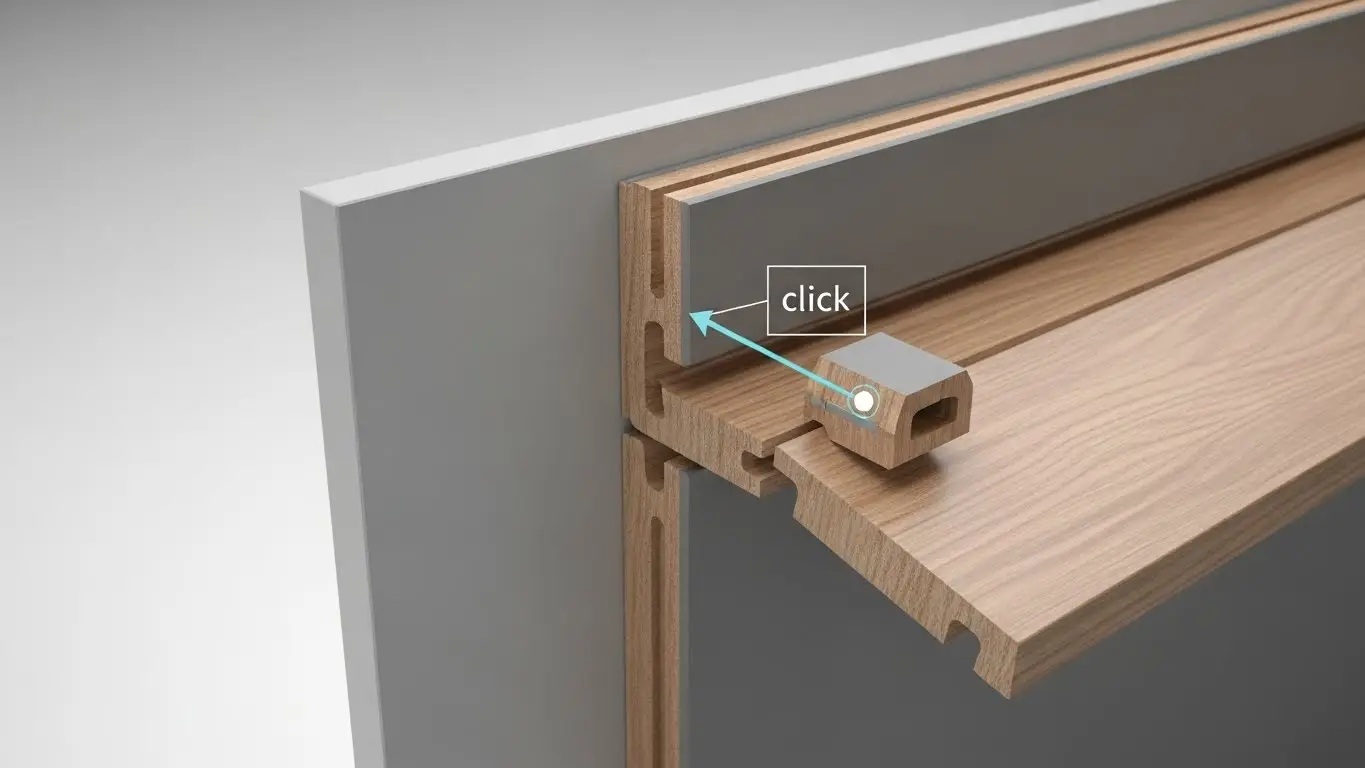
Sustainable design must include sustainable installation. The trend in 2026 is Design for Disassembly (DfD).
- Modular Click Systems: Eliminates the need for wet adhesives and reduces labor time by 40% (needs verification).
- Interlocking Tongue-and-Groove: Allows for individual panels to be replaced if damaged, rather than tearing down an entire wall.
- Off-Site Fabrication: Ordering pre-cut panels based on digital room scans to ensure near-zero offcut waste on the construction site.
How to Source Sustainable Cladding for Your Project
When sourcing from global manufacturers, you must look beyond the price per square meter. Request a Transparency Portfolio that includes:
- FSC or PEFC Certification: Ensures wood/bamboo fibers come from managed forests.
- LEED/BREEAM Credits: Essential for commercial projects aiming for green building certification.
- Fire Safety Proof: Consult our guide on the best fire resistant wall cladding panels 2026 to ensure your sustainable choice meets local building codes.
Sample Checklist for Manufacturers:
- [ ] Can you provide an Environmental Product Declaration (EPD)?
- [ ] What is the percentage of post-consumer recycled content?
- [ ] Is the material 100% recyclable at the end of its life?
- [ ] What is the formaldehyde emission rating (E0/E1)?
Frequently Asked Questions (FAQ)
What is the most eco-friendly material for wall cladding?
Bamboo fiber and mycelium-based panels are currently considered the most eco-friendly. Bamboo is rapidly renewable, while mycelium is carbon-negative and fully biodegradable at the end of its use.
Are WPC wall panels actually sustainable?
Yes, provided they are made from recycled wood flour and post-consumer plastics. High-quality WPC prevents plastic waste from entering oceans and requires no chemical maintenance throughout its 25-year lifespan.
What does the E0 standard mean for wall panels?
The E0 standard refers to ultra-low formaldehyde emissions (≤ 0.5 mg/L). Choosing E0-rated panels is critical for maintaining healthy indoor air quality and preventing respiratory irritation.
Can sustainable cladding be used in bathrooms?
Absolutely. Recycled WPC and bamboo fiber panels with a polymer coating are naturally waterproof and mold-resistant, making them superior to traditional wood for humid environments.
How do I verify a manufacturer's sustainability claims?
Ask for third-party certifications such as the FSC (Forest Stewardship Council), CE marking, and an Environmental Product Declaration (EPD) which provides a transparent life-cycle analysis.
Will sustainable wall panels help with building insulation?
Yes, many sustainable panels act as a thermal break. Materials like cork or hollow-core WPC provide natural insulation, reducing the energy needed for heating and cooling.
Conclusion: Making the Circular Choice
Selecting sustainable wall cladding panels in 2026 is a strategic investment in both the environment and your property’s value. By prioritizing bamboo fibers, recycled composites, and low-VOC finishes, you are contributing to a circular economy that rewards durability and health.


