



Best Wall Cladding Panels for Commercial Buildings 2026
The best wall cladding panels for commercial buildings in 2026 are those that balance high-performance fire safety, LEED-compliant sustainability, and rapid installation systems. Modern selections like Bamboo-Wood fiber, WPC, and Metal Composite Materials (MCM) are currently leading the market by offering the best long-term ROI for high-traffic environments.
In this guide, you will:
- Identify the most durable cladding materials for 2026 commercial standards.
- Compare the cost-to-performance ratio of different panel types.
- Learn how to navigate new fire safety and ESG regulations.
- Discover installation methods that reduce labor costs by up to 40% (needs verification).
1. The Shifting Landscape of Commercial Facades in 2026
The commercial construction sector in 2026 is defined by "Strategic Neutral" design—creating spaces that are easily adaptable as tenants change. With the full implementation of LEED v5 standards, architects are no longer just looking at aesthetics; they are prioritizing the "Carbon Footprint" of the building envelope.
Modular office designs are increasingly utilizing lightweight panels to allow for faster turnover between leases. A primary trend this year is the move away from heavy, high-maintenance masonry toward "Active Facades" that contribute to thermal regulation. Choosing the right cladding is now a financial strategy to reduce operational energy costs and improve the asset’s overall ESG rating.
Common Mistake to Avoid: Selecting materials based solely on the 2026 "look" without verifying if they meet the updated local fire codes for high-rise occupancy.
2. Top 5 Cladding Materials for High-Traffic Commercial Spaces
Selecting the right material requires matching the specific needs of the building type, from retail storefronts to luxury hotel lobbies.
Bamboo-Wood Fiber (The Eco-Leader)
Bamboo-wood fiber has emerged as the premier choice for 2026 commercial interiors and protected exteriors. It combines the aesthetic warmth of natural timber with the technical resilience of engineering polymers. These panels are often VOC-free and formaldehyde-free, making them essential for healthcare and educational facilities. Their interlocking design allows for a seamless finish that is both water-resistant and termite-proof.
WPC (Wood Plastic Composite)
WPC remains a staple for commercial durability. For projects requiring a balance of wood aesthetics and industrial strength, best wood grain wall cladding panels 2026 offer a high-fidelity finish that does not require the annual staining or sealing associated with real timber.
Metal Composite Materials (MCM)
Typically consisting of two thin sheets of aluminum bonded to a fire-retardant core, MCM is the standard for high-rise commercial exteriors. It offers extreme flatness and can be finished in almost any color using high-durability coatings.
Fiber Cement & Terracotta
These materials are favored for their non-combustible properties. While heavier than composites, they provide a "natural stone" or "earthy" feel that is popular in modern corporate campus architecture.
SPC (Stone Plastic Composite)
For interior commercial walls that face heavy impact—such as hospital corridors or restaurant kitchens—best SPC wall cladding panels 2026 provide a rigid, limestone-based core that is virtually dent-proof and 100% waterproof.
3. Key Decision Factors: Durability vs. Cost vs. Aesthetics
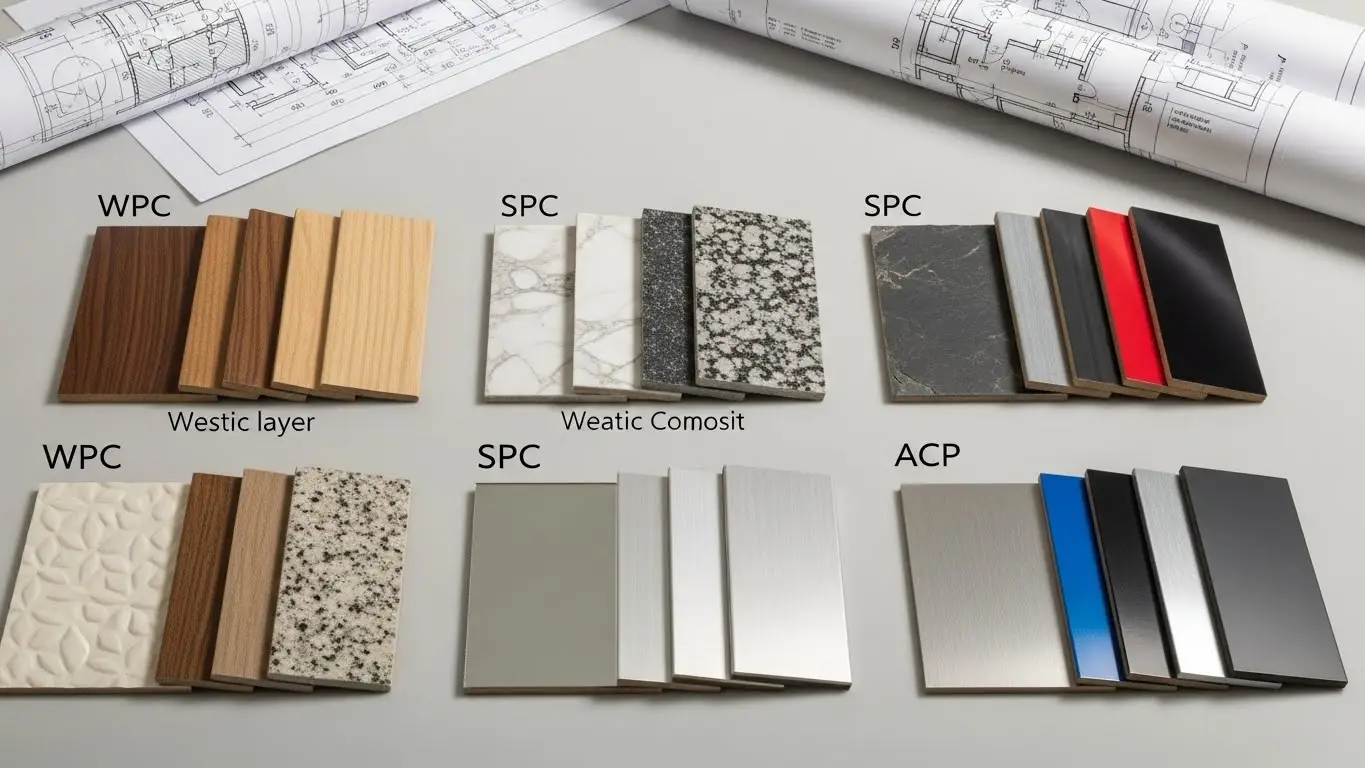
When procurement teams evaluate cladding, they use a performance matrix to weigh immediate costs against the 10-year total cost of ownership (TCO).
| Material Type | Installation Speed | Maintenance Needs | Fire Rating | Estimated ROI |
| Bamboo Fiber | Very High | Low | Class B1 | High |
| Aluminum | Medium | Low | Class A | Medium |
| PVC Panels | High | Low | Class B1 | Moderate |
| Real Stone | Low | High | Class A | Low |
Export to Sheets
Acoustic Performance: In 2026, the open-plan office has evolved. Commercial cladding is now expected to assist in sound dampening. Many modern WPC and Bamboo fiber panels now include acoustic slat designs to reduce echo in large lobbies. If you are looking for cost-effective interior options, consider exploring the best PVC wall cladding panels 2026 which offer various textures suitable for retail environments.
Common Mistake to Avoid: Overlooking the "Coefficient of Thermal Expansion." In commercial buildings with large surface areas, failing to account for how panels expand in heat leads to warping and structural failure.
4. Installation & Labor: Why "Click-System" Panels Win in 2026
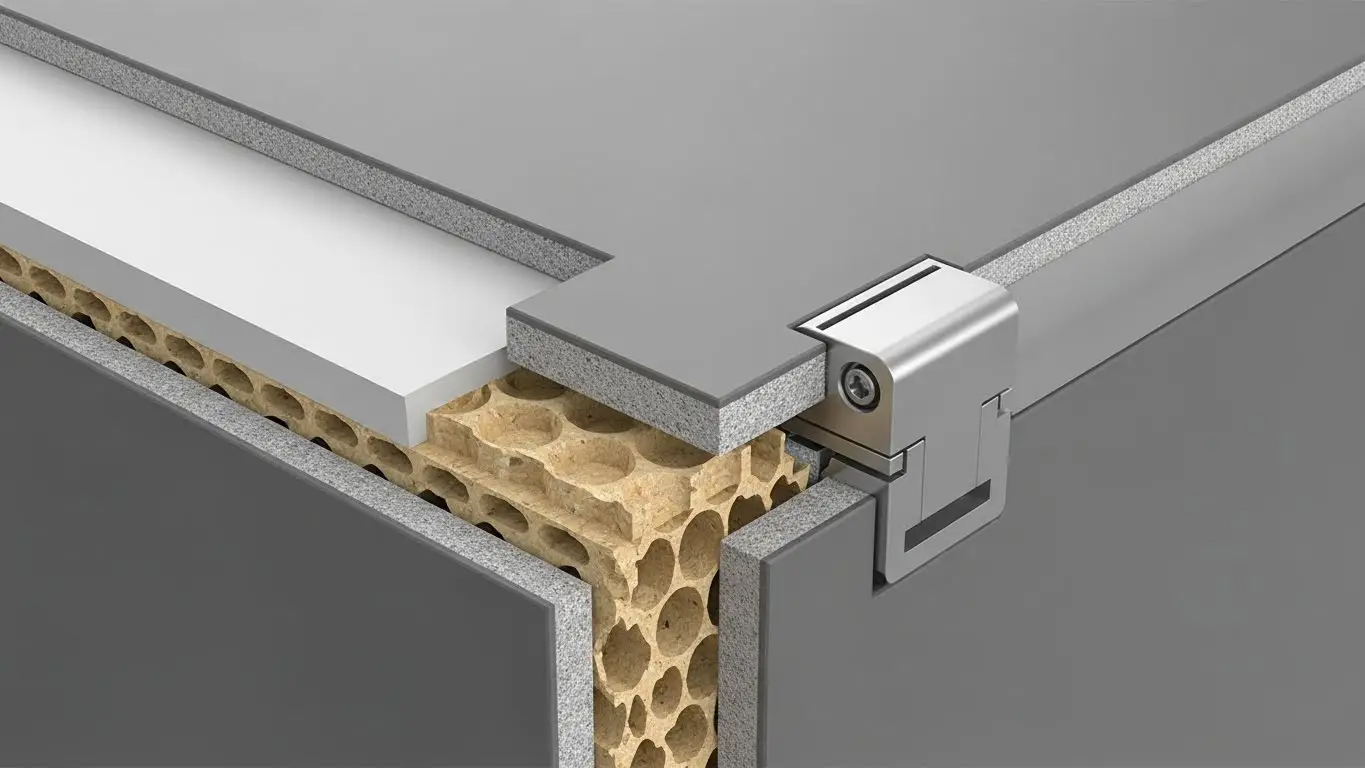
Labor shortages and rising hourly rates in 2026 have made "Installation Speed" a top-tier technical specification. Traditional wet-fix methods (using adhesives and grout) are being replaced by dry-fix interlocking systems.
The Benefits of Click-System Panels:
- Reduced Skill Gap: Does not require specialized masonry skills; standard carpentry tools are usually sufficient.
- Zero Curing Time: Unlike stone or tile, the room can be occupied immediately after the last panel is clicked into place.
- Easy Replacement: If a single panel is damaged in a high-traffic area, it can often be "unclicked" and replaced without tearing down the entire wall.
Installation Example: A standard 500-square-meter office lobby that previously took 5-7 days to finish with traditional ceramic cladding can now be completed in roughly 2 days using tongue-and-groove Bamboo-fiber panels (needs verification).
FAQ: Commercial Wall Cladding
What is the most durable cladding for commercial use?
Metal Composite Materials (MCM) and Stone Plastic Composite (SPC) are the most durable. MCM is preferred for exteriors due to weather resistance, while SPC is the superior choice for high-impact interior environments.
What is the cheapest commercial wall cladding?
PVC wall panels generally offer the lowest material and installation cost. However, for a better balance of price and professional aesthetic, Bamboo-wood fiber is considered the best value-for-money in 2026.
How do I choose cladding for an office building?
Prioritize fire ratings (Class A or B1), acoustic properties for noise reduction, and ease of maintenance. Ensure the material supports the building’s thermal insulation goals to reduce HVAC costs.
Are WPC panels fire-rated for commercial use?
Yes, most commercial-grade WPC and Bamboo Fiber panels are manufactured to meet Class B1 fire-retardant standards, meaning they are difficult to ignite and self-extinguishing. Always request a 2026-dated test report.
What is the cost of bamboo fiber wall panels vs. PVC?
Bamboo fiber panels typically cost 20-30% more than standard PVC but offer significantly higher impact resistance, a more premium "matte" finish, and better environmental credentials (needs verification).
Which cladding is best for energy-efficient hotels?
Insulated Metal Panels (IMPs) or WPC systems with an integrated air gap (Rain-screen principle) provide the best thermal break, significantly lowering the energy required for cooling.
Conclusion: Building for the Future
Selecting the best wall cladding for commercial buildings in 2026 requires looking beyond the surface. While aesthetics draw tenants in, it is the fire safety ratings, sustainability certifications, and low maintenance requirements that ensure long-term profitability. For most modern commercial interiors and facades, high-performance composites like Bamboo-Wood fiber and WPC provide the optimal balance of speed, style, and strength.


