



Best Wall Cladding Panels for Residential Houses 2026
The best wall cladding panels for residential houses in 2026 prioritize high-tactile texture, sustainable composites like WPC, and moisture-proof SPC for interior "wet zones." As homeowners shift toward "Maximal Dimension" design, selecting panels with deep 3D fluting and eco-certified cores is the key to balancing curb appeal with long-term durability.
- Target Trend: High-tactile 3D fluted and slatted textures.
- Control Cost: Opt for co-extruded WPC for a 15-25 year lifespan.
- Ensure Safety: Verify Class A fire ratings and Low-VOC certifications.
- Master Style: Align paneling with 2026 "warm neutral" palettes.
1. The 2026 Aesthetic: Why Cladding is Replacing Paint
In 2026, residential design is moving away from flat, painted surfaces in favor of "Maximal Dimension." This trend treats walls as architectural elements rather than just boundaries. Homeowners are increasingly using best wood grain wall cladding panels 2026 to introduce texture and depth that paint simply cannot replicate.
The 2026 aesthetic is rooted in Biophilic Design 2.0. It’s no longer enough to just have a "natural look"; materials must feel authentic to the touch. This shift has led to the rise of warm, "baking-spice" neutrals—ochre, terracotta, and sand—which glow under the integrated LED lighting systems now common in modern home renovations.
2. Top 5 Interior Wall Cladding Panels for 2026
Choosing the right interior panel requires balancing visual impact with indoor air quality.
SPC & WPC: The Sustainable Choice
Wood Plastic Composite (WPC) and Stone Plastic Composite (SPC) remain the industry leaders. WPC is favored for its lightweight nature and superior thermal insulation (R-value approximately 3.0), while SPC offers a limestone-heavy core that is virtually indestructible. For high-traffic family areas, these are the gold standard.
Acoustic Slat Panels for Home Offices
With hybrid work firmly established, acoustic functionality is a priority. Slatted panels backed with recycled PET felt effectively dampen sound, making them the best wall cladding panels for commercial buildings 2026 as well as professional home offices.
3D Fluted & Textured Surfaces
The "Sensory Shift" of 2026 has made 3D fluted panels a favorite for media walls and headboards. These panels create shifting shadows throughout the day, providing a dynamic visual experience that evolves with natural light.
Common Mistakes to Avoid:
- Ignoring VOCs: Always check for Formaldehyde-free labels (LEED or WELL certified).
- Poor Pattern Matching: Not planning the "seam" transitions in fluted panels.
- Over-cladding: Using heavy textures on every wall can make a room feel claustrophobic.
3. Exterior Cladding: Durability Meets Curb Appeal
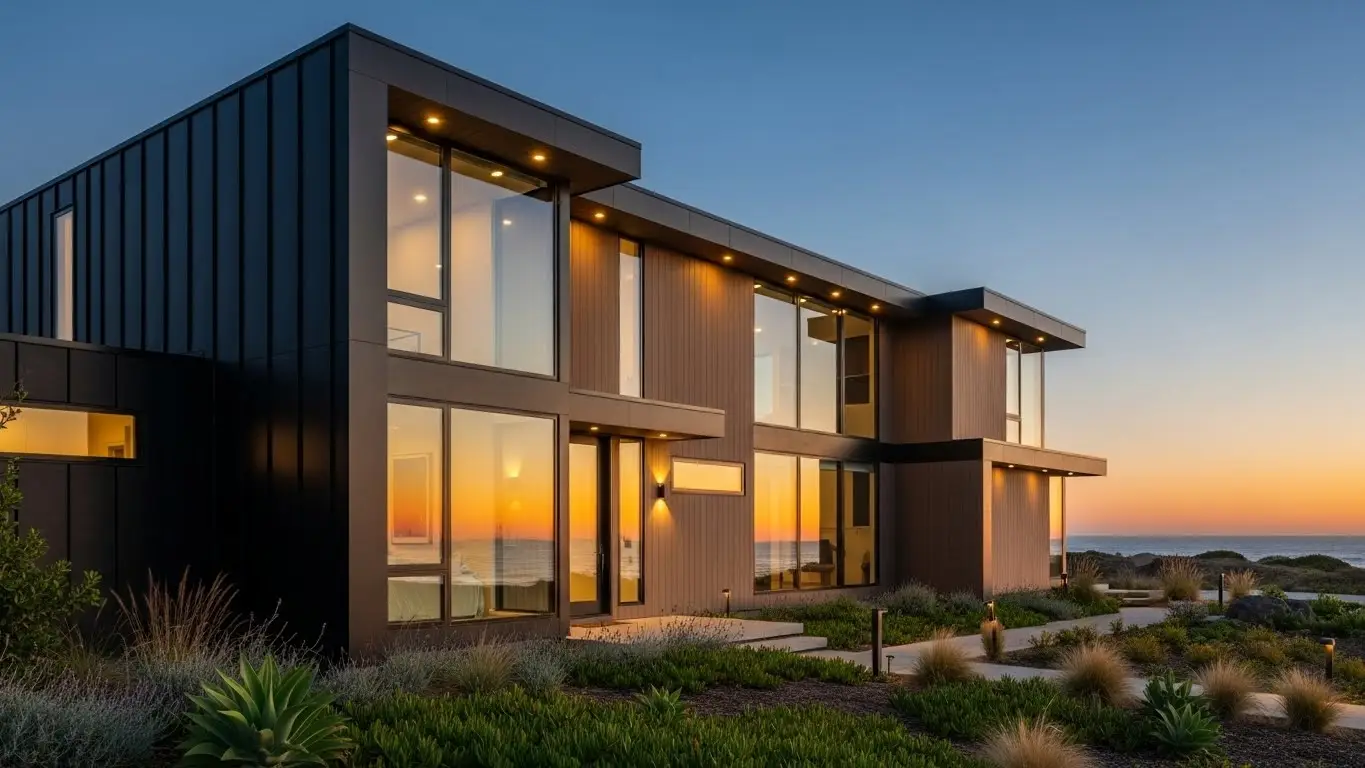
Exterior materials in 2026 must withstand increasingly volatile weather while maintaining a "fresh-install" look.
Metal & Aluminum: The Low-Maintenance Kings
Wood-look aluminum has become a primary alternative for coastal residential projects. It provides the warmth of timber without the risk of rot or salt-air corrosion. Unlike traditional wood, it requires no annual sealing or staining.
Fiber Cement: Fire-Resistant Luxury
Fiber cement remains a staple for its Class A fire rating and resistance to pests. In 2026, we are seeing a move toward oversized fiber cement "slabs" that mimic natural stone or smooth concrete for a minimalist, industrial facade.
Example: For a modern farmhouse look, designers are pairing charred-look (Shou Sugi Ban) WPC on the lower level with smooth fiber cement panels on the upper gables.
4. Choosing by Room: Kitchens, Bathrooms, and Media Walls
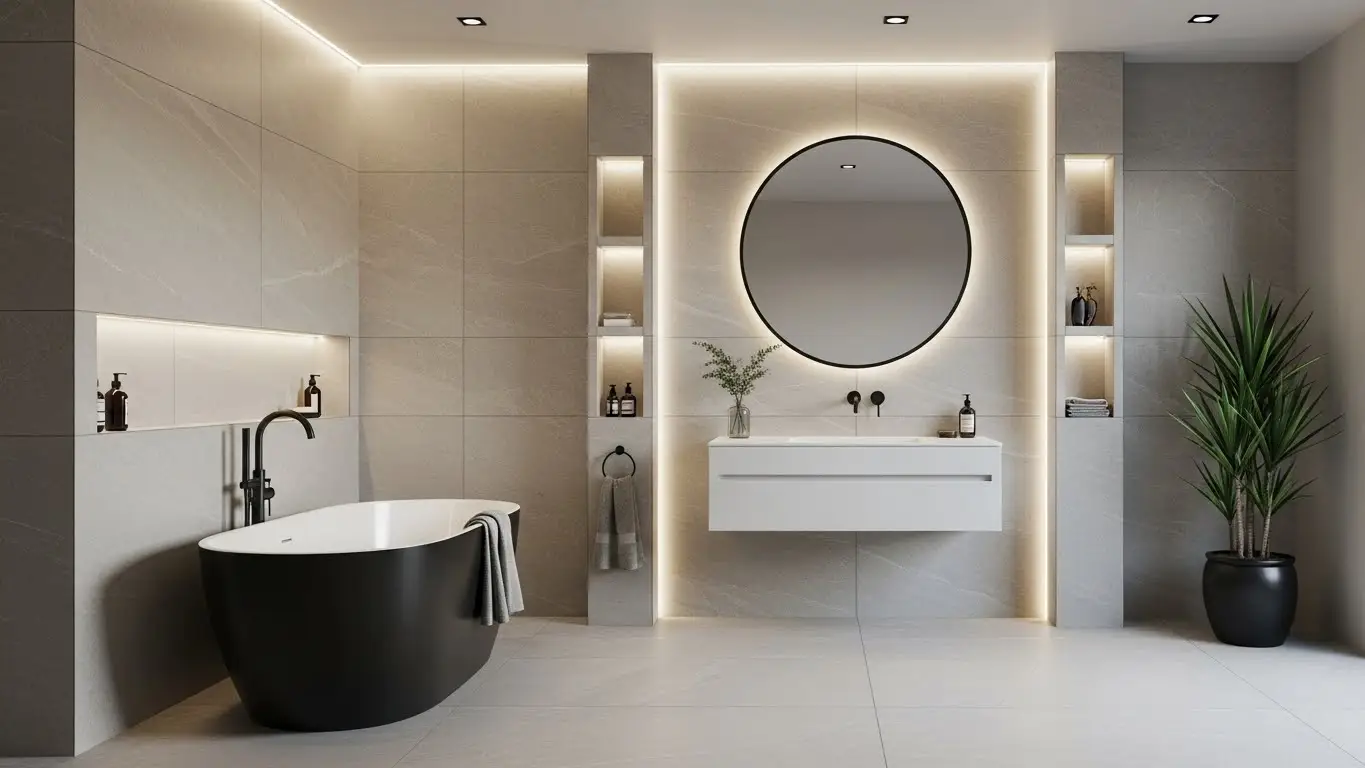
Every room has a specific "performance profile" that dictates the best material choice.
- Bathrooms: Stick to best PVC wall cladding panels 2026 or SPC. These are 100% waterproof and resist mold growth in high-humidity zones.
- Kitchens: Use heat-resistant composites for backsplashes. The 2026 trend is "Slab Drenching," where the panel runs from the countertop to the ceiling.
- Media Walls: WPC slatted panels are ideal here, as they allow for hidden wire management behind the grooves and improve the room's acoustics for home theaters.
5. Cost Comparison & Maintenance (2026 Projections)
| Material | Est. Cost (sq/m) | Maintenance | Lifespan |
| Premium WPC | $12 - $18 | Low (Soap & Water) | 20+ Years |
| SPC Panels | $10 - $16 | Low (Wipe clean) | 25+ Years |
| Aluminum | $25 - $45 | Very Low | 30+ Years |
| Fiber Cement | $15 - $25 | Medium (May need paint) | 35+ Years |
| Natural Wood | $30 - $60 | High (Sealing/Staining) | 15-50 Years |
(Note: Prices are estimates and need verification based on local 2026 market fluctuations.)
6. Frequently Asked Questions (FAQ)
What is the best cladding for a house?
For most residential houses in 2026, co-extruded WPC is the best all-around choice. it offers the perfect balance of realistic wood aesthetics, low maintenance, and a mid-range price point.
Is wall cladding cheaper than painting?
Upfront, cladding is more expensive. However, over a 10-year period, cladding is often cheaper because it eliminates the need for repainting, sanding, and structural repairs associated with moisture damage.
How long does composite cladding last?
High-quality composite cladding (WPC) typically lasts between 15 and 25 years. Premium co-extruded versions often come with 15-year warranties against fading and staining.
Can I install wall panels over existing tiles?
Yes, lightweight panels like SPC and PVC can be installed directly over existing tiles using high-tack adhesive, provided the surface is clean and level.
What is the most durable wall cladding for 2026?
Fiber cement and aluminum are the most durable for exteriors, while SPC is the most durable for high-impact interior areas due to its stone-core stability.
Are wall panels environmentally friendly?
Many 2026 panels are highly sustainable; for example, premium WPC is often made from up to 90% recycled wood fibers and reclaimed plastics.
Conclusion
Selecting the best wall cladding for 2026 isn't just about picking a color; it’s about investing in a material that supports the "Sensory Shift" toward texture and sustainability. Whether you choose the acoustic benefits of interior WPC or the rugged durability of exterior aluminum, your choice will define your home's character for the next two decades.


