



Contents
HSCS
A Practical Guide to Buying Wall Panels in Canada
Wall panels have the ability to turn a simple room into something in a flash. These can add wood, vertical lines, stone finishes or a simple waterproof surface to the wall without demolishing it.
It's a challenge for homeowners, designers and contractors in Canada to understand that the term “wall panel” encompasses a variety of products. The appearance, moisture performance and installation method is different with WPC, PVC, slatted and exterior panels.
Prior to purchase, confirm the panel size to the room, check the panel actual specification and determine the total project quantity. More reliable than selection based on only a room image on the internet.
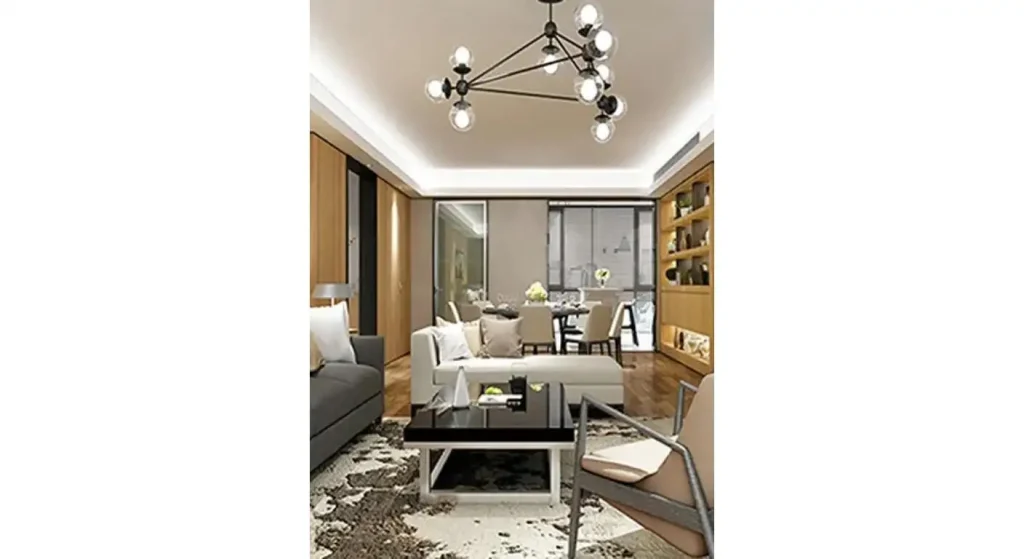
Begin with the Room, Not the Finish!
The same wood-look panel could make a great feature wall in a living room, but it wouldn't be a good choice for a shower or an exposed exterior façade.
The first step is to determine the desired location for the panels, such as living room, bedroom, basement, kitchen, office, retail space or exterior of the building. Make a note on the condition of the wall, the moisture that is anticipated, the level of usage and if the surface has to be easy to clean.
HSCS Decor's line of wall panels consists of interior WPC panels, exterior WPC cladding and plastic PVC panels. Each of these categories is best thought of as a system and not as interchangeable decorative finishes.
Compare Main Wall Panel Materials
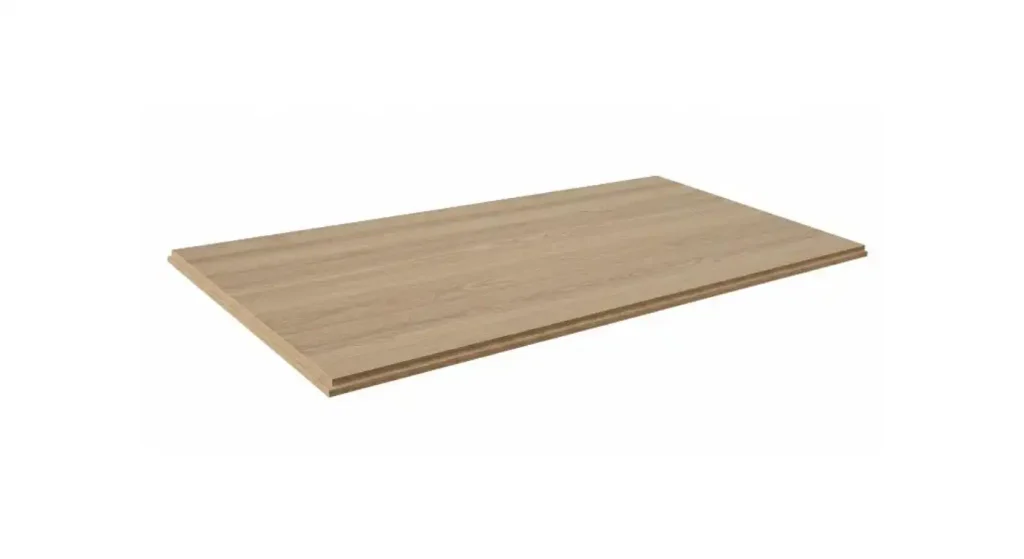
WPC is a wood look panel made from wood fibres and thermoplastic material which requires less maintenance than un-treated wood. It is commonly used in interior decorating for decorative walls and other areas where moderate moisture resistance is desired.
PVC panels are lightweight, non-porous and easily wiped clean. They are often used for kitchens, basements, utility rooms and commercial interiors but the specific product needs to be approved for the intended use.
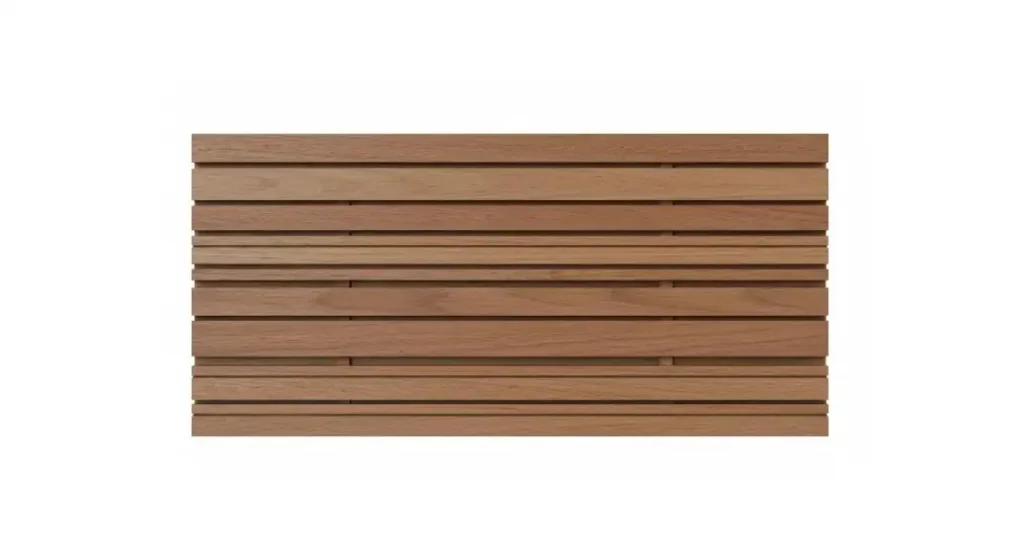
Slat wall panels offer more depth and have sound diffusing effect. They are affected by the core, surface finish, slat spacing and whether or not they have an acoustic backing.
The exterior WPC cladding should have a different profile, method of fastening and specification for weather performance than do interior panels.
| Panel Type | Best-Suited Use | Confirm Before Buying |
| Interior WPC | Living rooms, bedrooms and offices | Profile, finish and moisture limits |
| PVC panel | Kitchens, basements and utility spaces | Surface grade and installation method |
| Slat panel | Feature walls and media rooms | Core material and acoustic backing |
| Exterior WPC | Façades and outdoor feature walls | UV, weather and fastening specifications |
| Integrated panel | Fast full-wall renovation | Joint system and matching trims |
Take Canadian Indoor Conditions into account.
The seasons cause variations in heating, humidity and temperature of Canadian buildings. The moisture conditions in basements may also be conditions that are not readily apparent from the finished wall surface.
Prior to installation, locate and repair any leaks, condensation or wet surfaces. Do not cover up an unsatisfactory moisture condition with decorative panels.
Inquire about the proper storage and acclimatization of the panel before installation. Check temperature guide and expansion clearance and suggested substrate. This information is particularly significant when materials are transitioned from a warehouse to an interior space that is heated in the winter season.
Choose Panels by Function
Appearance and finish quality, and alignment of joints, may be primary considerations in a living room, or bedroom. A fluted WPC or slat panel can be used to provide a warm feature wall behind a TV, bed or desk.
When considering kitchens or finished basements, moisture resistance and cleanability can be more important to buyers. WPC wall panels are offered in an interlocking format for use in the interior of HSCS Decor house paneling and decorating solution for residential and commercial interiors.
PVC can be used in areas where a smooth, easily maintained surface is desired. With the plastic PVC wall panel category, buyers can compare options.
For exterior projects, UV, water and freeze-thaw and fastening data for the entire cladding system is required. Don't think that an interior panel made for outdoor use is waterproof.
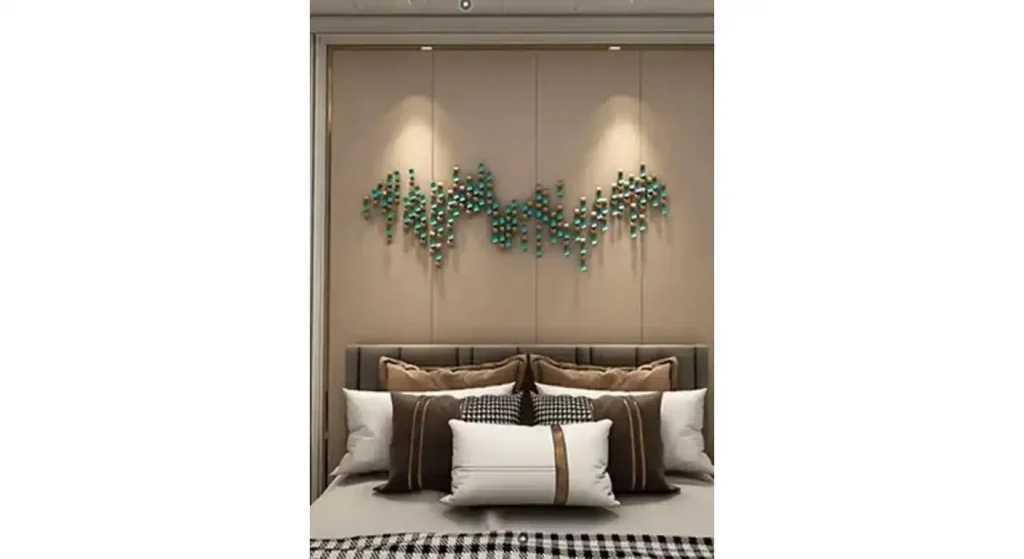
Test Samples in Your Lighting so you can be sure.
You can see the difference in the appearance of a panel colour under daylight, warm household bulbs and cold commercial light. Large walls can also be altered in their apparent size by texture and gloss.
Ask for a sample before you order a project. See it next to the flooring, cabinets and furniture throughout the day.
Check the surface front and side. Review print repetition, edge finish, groove definition and seam between adjacent panels. If building with multi panel walls, ensure grain/pattern flow is natural.
Measure and calculate waste for walls
Measure width and height of wall at more than one location due to possible irregular leveling of floors and ceiling. Cut large permanent holes out of a surface only when it is necessary and will not result in unusable offcuts.
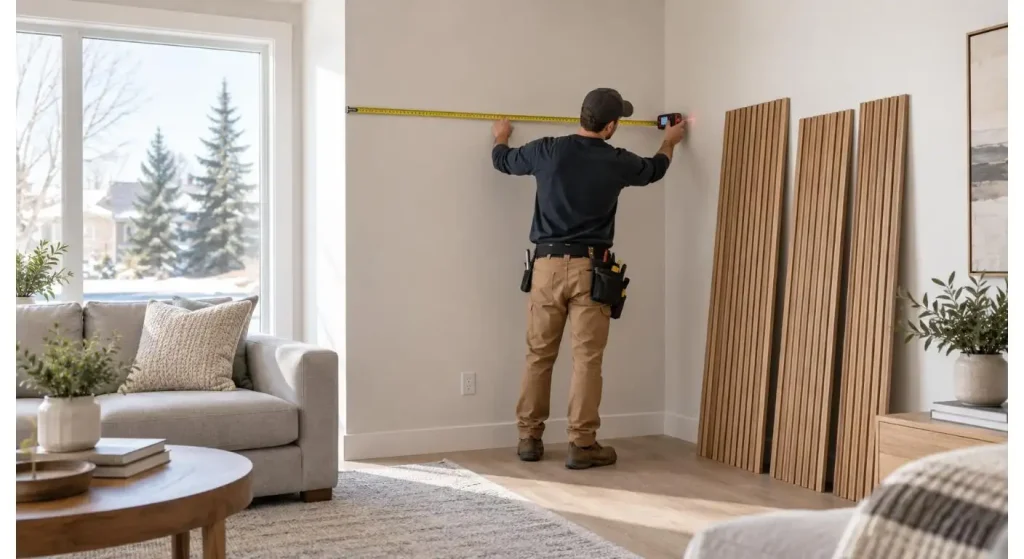
Always make sure to convert the size of the panel and the room size to the same measurement before calculating quantity. The results of Canadian projects can be given in both millimetres and inches, and it is easy to make mistakes in conversion.
Include material to be used for cuts, corners, damaged material and future repairs. Simple rectangular walls, typically, require less allowance than those with doors, windows, outlets or angled ceilings.
| Measurement Item | Record |
| Finished wall width | ______ mm/in |
| Finished wall height | ______ mm/in |
| Total gross wall area | ______ m²/sq. ft. |
| Openings deducted | ______ m²/sq. ft. |
| Cutting allowance | ______% |
| Final panel quantity | ______ panels/cartons |
Confirm What Is Included in the System
Installation of the panel can be part of a larger installation. Check if there is a matching corner profile/end trim/ joint piece/ clips/ screw or adhesive.
Use to determine if the installation method is appropriate for drywall, plywood, concrete or furring strips. A fastening method that is considered suitable for one type of substrate may not be suitable for another.
HSCS Decor's solid wood slat wall panel is a model of a clip-and-screw installation method. Different accessories and preparation may be required with other panel profiles.
Examine and review Fire and Indoor-Use Documentation.
The use of terms like ‘fire resistant’ ‘environmentally friendly' and ‘low VOC' should be backed up with test information. Inquire about the specific panel construction, and panel thickness, that is addressed in the document.
Each province and municipality (as well as each occupancy and application) has its own unique building requirements. Both contractors and commercial buyers should check with local authorities for local requirements prior to approval of final product.
Don't rely on a factory certificate that is general information for suitability for all buildings. Company-wide certificates do not help as much as product-specific reports.
Make careful arrangements for the shipping and delivery.
If purchasing wall panels from an overseas supplier, determine 'landed cost' and not just the product cost. Add packaging, freight and import duty, local delivery and storage if applicable
Rigid packaging and corner protection is required for long panels. Get the package size, gross weight, panel count per carton and loading method prior to transportation.
Check for crushing, moisture or punctures when cartons are delivered, and then transport to installation site. Take photographs of damage and batch and colour information before cutting any panels.
Give the thumbs up to a Project Sample and Specification.
On bigger residential or commercial jobs, verify the precise colour, surface, profile, size and accessories prior to manufacturing.
Write down the sample code and inquire about production in bulk order for one production batch. Some colour variation can occur when panels from different panels are mixed in the same wall.
On its wall panel cases page, HSCS Decor showcases completed interiors. These examples can help to establish a design direction and the purchase specification should still specify measurable product details.
Set up a Full Inquiry
Some of the important questions to ask are where is the installation taking place (country), whether it's inside or outside, what sort of room it's for, the size of the walls, the desired colour of the panels, and the approximate panel count.
Indicate if samples, trims, custom lengths or commercial documentation is required. These details enable the manufacturer to provide a more accurate calculation of quantity, packaging and shipping.
A Buyer may provide the project data via the contact page on HSCS Decor to request samples and/or product information.
Conclusion
Successful wall panel purchasing in Canada starts with the room conditions and necessary performance and not just colour. The solutions that the interior WPC, PVC, slat panels and exterior cladding provide are different in terms of design and installation.
Check samples, sizes, add-ons and paperwork prior to purchasing. With a clear specification, there is less waste of cutting and less colour variation as well as being able to avoid unexpected installation costs.
FAQs
Q1. Wall panels for Canadian basements?
For completed basements, moisture resistant WPC or PVC panels can be used. The leakages, condensation and damp substrates should be eliminated prior to installation.
Q2. Is WPC wall panel waterproof?
In general, the moisture resistance of WPC is better than that of untreated wood; however, it varies in construction. Let the panel you've picked know if it's approved for the level of water exposure you're looking for.
Q3. Is it possible to put wall panels on top of drywall?
Panels can be installed over sound, level drywall either by using clips or screws or suitable adhesive. Identify framing for mechanical fastenings according to the product specific approach.
Q4. What is the overage I need to order?
Leave additional panels for cutting and corners, pattern matching and future repair. The percentage will vary according to the complexity of the wall and panel size.
Q5. Should I purchase a sample prior to purchase of wall panels?
Yes. A physical sample will help to confirm colour, feel, lines and joints, and tone the sample will take in the room's lighting.


