



Contents
HSCS
Choosing a Cladding Panels Supplier: A Practical Guide for Bulk Buyers
Cladding panels have an impact on the appearance of a building, its installation efficiency and long-term maintenance. But the right product choice is not the only one that has to be made when it comes to purchasing. Importers, distributors and contractors must also have a cladding panel supplier they can rely on to handle samples, specifications, finishes, documents and delivery schedules.
Low quotations can be costly due to colour variations, incorrect profiles or incomplete documentation when the panels are delivered. The buyer should, therefore, consider the supplier to be part of the complete purchasing system and not just a materials supplier.
Define the Project: Before Requesting a Quote
Start with the application. Indicate whether the panels will be a feature wall for interior or retail fit-out, hotel renovation, or exterior façade or commercial.
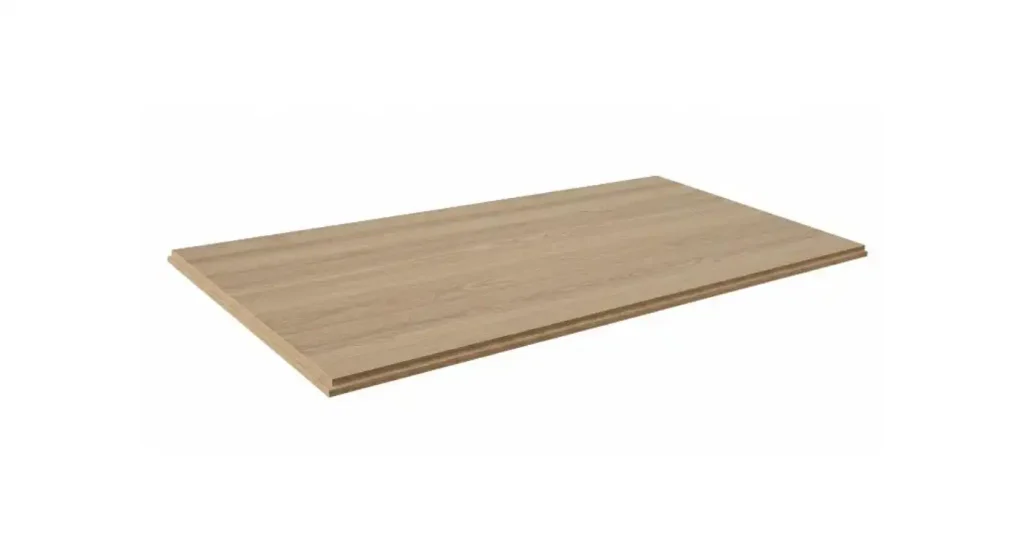
In an indoor project, the surface appearance, speed and ease of cleaning and installation might be an important factor. The buyers can check the interior WPC wall panels available and compare the directions of decoration.
Moisture exposure, sun exposure, temperature fluctuations, and ventilation and fixings are more important factors for exterior projects. When developing a product selection, the first consideration should be an exterior WPC wall panel system that is appropriate for the application, not the first choice of finish.
Include: Dimension, installation area, substrate, climate, desired colour, delivery date. The more detailed the project brief is the more useful the quotation will be.
| RFQ Item | Information to Provide | Why It Matters |
| Application | Interior or exterior | Determines product category |
| Project size | Wall area and dimensions | Supports quantity calculation |
| Environment | Moisture, sunlight and climate | Identifies exposure requirements |
| Design | Color, texture and profile | Narrows the suitable range |
| Installation | Substrate and fixing method | Confirms system compatibility |
| Delivery | Destination and deadline | Supports lead-time planning |
Review the range of products offered by the Supplier.
A good supplier should be able to assist the buyer to select the panel construction for the application. It's not a must that the same profile has to be assumed for all interior and exterior projects.
Check out available materials, profiles, texture of surface, color, length and accessory options available. A wide range but well organized can enable distributors to cater to various market segments without having to coordinate unnecessary suppliers.
Inquire about the products which are standard and which ones are customizable. Sometimes you can count on a shorter lead time with standard products and many times custom colours and dimensions or packaging will need further confirmation.
Accept Physical Samples & Complete References
Digital images can be helpful for shortlisting, but are not a complete substitute for surface texture, gloss and grain depth and colour under various lighting.
Ask for sample pieces prior to ordering a quantity. Write the profile code, dimensions, colour reference, surface finish and Date of sample approval. For multiple panel batches to be put on a single continuous wall, consider color consistency prior to production.
Completed cladding application cases are also available for buyers to check for different cladding textures and panel arrangements when they are installed in the environment.
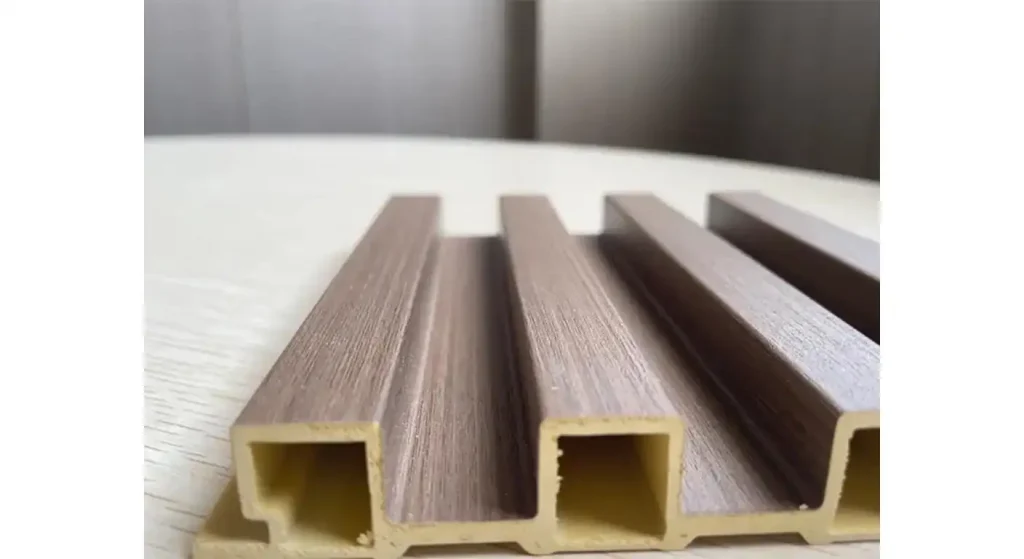
Make sure to compare the Complete Supply Offer.
The unit price will not indicate the purchase price. Check the quotation for the following: panels, trims, clips and fasteners, packaging, sample charges and transport terms.
Review the coverage per panel and/or carton and the number of panels per carton. This will assist the buyer in comparing quotations based on installed area, instead of the price of an individual piece.
Also the minimum order quantity, production lead time, payment terms, quotation validity should be made clear by the supplier. If ordering a mix of products, check if various profiles & finishes can be harmonised to a single shipment.
Please review documentation prior to ordering.
Ask for technical information that is pertinent to the product and target market. This can vary for each project and could consist of product specifications, material information, test documents or quality documents, installation instructions, etc.
Do not presume that each certificate is for all profiles or applications. Check the product name, model and tested property against the material that you are buying. The certification section is a good place to begin a review of the documents in the HSCS Decor.
Importers should also verify the descriptions on the invoice, packing lists, product labels and country-specific requirements prior to shipment.
Convert the Sample to be an Order Specification.
A sample that has been approved should be a written purchasing reference. The purchase order should specify the finish, color, dimensions, quantity, acceptable variation, accessories and packaging requirements as well as the panel code.
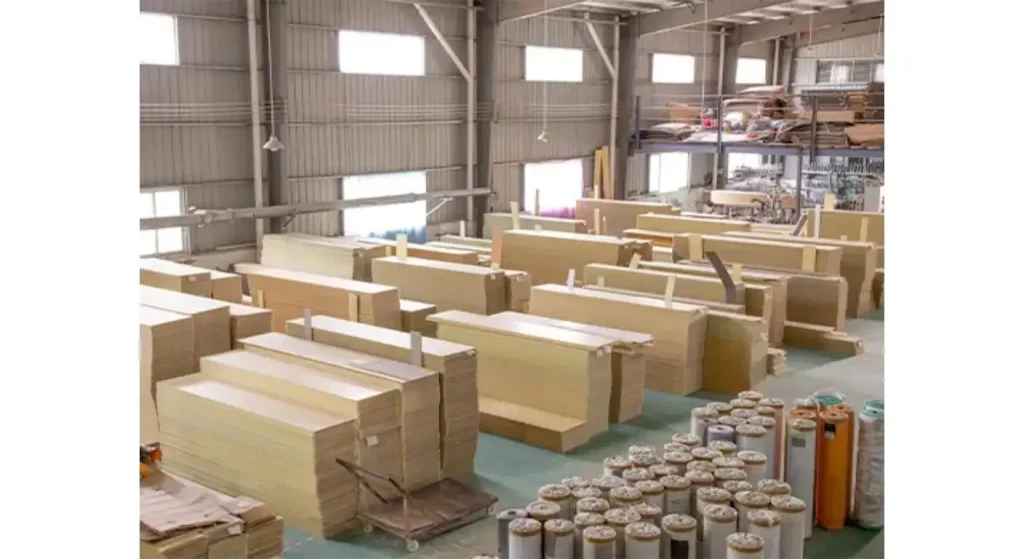
Please check such details with a supplier before production. If material, finish and/or profile is to be substituted, it should be subject to the buyer's approval.
A "trial order" can be a good way of discovering how effective the new supplier or product is at communicating, packaging, documentation and getting the order ready for shipment, without putting the buyer at risk for a large initial order.
| Order Stage | Buyer Confirmation | Supplier Output |
| Shortlisting | Application and design | Product recommendation |
| Sampling | Profile and finish | Reference sample |
| Quotation | Quantity and trade terms | Itemized offer |
| Pre-production | Final specification | Order confirmation |
| Pre-shipment | Documents and labels | Packing and shipping file |
Plan the quantity of installations and replacements
The number of orders should be based on the net wall area, profile coverage and expected cutting loss. More openings, directionality patterns and complex corners make more waste.
Have a reasonable amount of additional panels from the same batch. When replacing panels, there could be some variation in color or texture in the new panels, especially if they are replacing older panels.
Check accessories to make sure they are compatible for shipping. If the trims aren't delivered or if they're the wrong ones, it can cause delays even if the main panels are delivered on time.
Look for a Supplier That Reduces Coordination Work
The power of a great cladding panels supplier is really in foreseeable performance. By accurately matching products, controlling samples, and detailing documents for coordinated delivery, the buyer will have fewer issues to resolve after the order is placed.
Make sure to send a detailed project brief to the supplier and to get their response in writing in terms of specification, sample, quantity, accessories and delivery before making a bulk purchase. HSCS Decor Buyers are welcome to contact us for the latest product information, sample or a project quote.
Conclusion
When choosing a supplier of cladding panels, the price and catalog are not enough. The buyer is responsible for checking the suitability of the application, consistency of the sample, order details, documentation and delivery arrangements.
A repeatable supply solution is achieved through a structured approval process, which minimises avoidable risk from quotation to installation of an attractive panel.
FAQs
Q1. What data to provide a cladding panels supplier?
Give Application, Wall Dimensions, Installation Environment, preferred Finish and quantity, destination of delivery. The supplier can suggest an appropriate profile with the assistance of photos or drawings.
Q2. Do I need to order samples prior to a bulk order?
Yes. Samples are provided to ensure color, texture, size and fit in the home are correct but, buyers should also ensure the approved sample can be produced in manufacture.
Q3. What are the criteria to compare cladding panel quotes?
Don't just compare the price per piece, compare the panel coverage, accessories, packaging, the minimum order quantity, shipping terms and lead time. Where possible, use total project, or landed cost.
Q4. Is it possible to use interior cladding panels outside?
Not automatically. Outdoor panels need to be weatherproof, UV resistant and have installation systems that are weatherproof.
Q5. How many spare panels does the buyer need to buy?
The number is dependent on the level of complexity of the cut and the size of the project. Consider waste from installation and keep same batch panels for future repairs.


