



Contents
HSCS
Choosing the Right Cladding Panels Manufacturer for Your Project
Cladding panels have an impact on the building's look and performance. They have to combine material, profile, system of fastening and surface finish throughout the installation and service.
It is not just about finding an attractive panel, for importers, distributors, architects and contractors. The manufacturer should be capable of converting the drawing and application conditions into reproducible products, accessories that are compatible with the product and comprehensible technical documents.
Prior to choosing a supplier set where the cladding will be used and what are the most important properties. This provides a more favourable comparison of manufacturers than just the price per square metre.
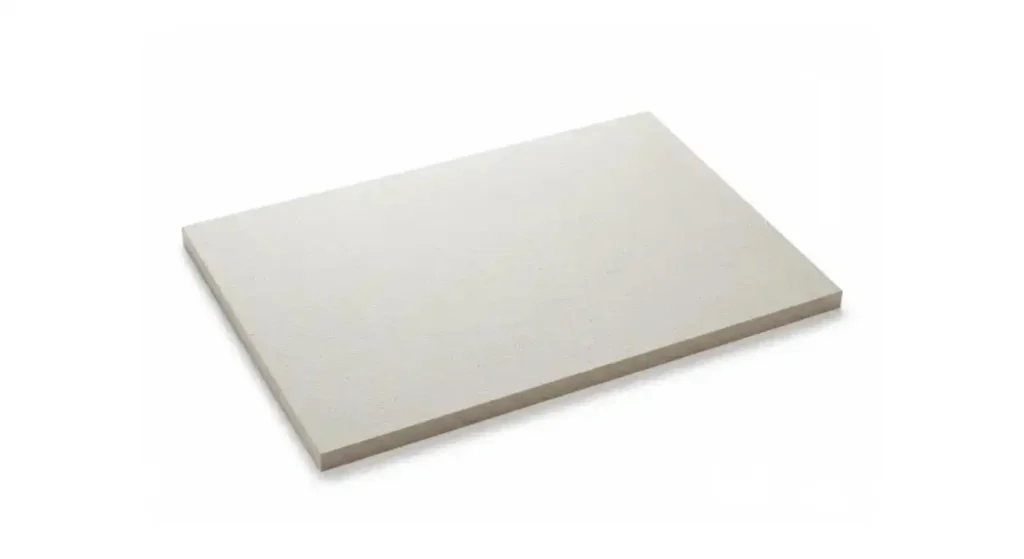
Specify the Cladding Application First
There are different requirements for a panel system for different applications, such as interior feature walls, commercial corridors, façades and sheltered exterior spaces.
With an interior project, a colour, texture and joint appearance and cleaning may be a more important consideration. More focus is needed on the exterior cladding due to exposure to UV, moisture, temperature movement, ventilation and fastening.
Determine the type of installation, height of installation, substrate, and orientation and exposure to the environment. Indicate if the panels are decorative, protective or for a ventilated wall system.
HSCS Decor's wall cladding panels are available in a variety of choices for both residential and commercial/architectural use. Project conditions should continue to be the starting point for the final selection.
Choose the material needed for the required performance.
WPC cladding is a product that is a mix of wood fibres and thermoplastic material, giving a woodlike appearance but less maintenance than unfinished timber. Generally used for decorative façades, balconies and feature walls.
PVC panels can be used in certain interior and commercial applications due to their light weight, moisture-resistant and easy-to-clean characteristics. Aluminium or other engineered materials can be used for other custom projects.
Don't choose a material based solely on its generic name. Inquire about composition, density, limitations of surface treatments and panel thickness.
| Material | Suitable Application | Information to Confirm |
| Interior WPC | Hotels, homes and retail interiors | Finish, joints and cleaning |
| Exterior WPC | Façades, balconies and sheltered walls | UV, moisture and expansion |
| PVC | Kitchens, corridors and utility areas | Grade, thickness and fire data |
| Aluminium | Commercial and architectural façades | Alloy, coating and fixing system |
| Custom composite | Project-specific wall systems | Composition and tested performance |
If you are a new user of the Profile, visit the Profile as a Complete System.
One part of the cladding is only the part that will be visible on the face. These effects of profile geometry are stiffness of the panels, joint alignment, water movement, ventilation and installation speed.
Ask for a cross section drawing which displays overall width, effective coverage, wall thickness, joint design and fastening position. Check if panels are hollow, solid/reinforced.
Compatible trims for corners, ends, openings and transitions. If the profiles used for the finishing work are not standard, a low cost panel can result in a high cost installation.
For exterior projects, take a look at the WPC exterior wall panel selection along with the suggested supports, spacing and accessories.
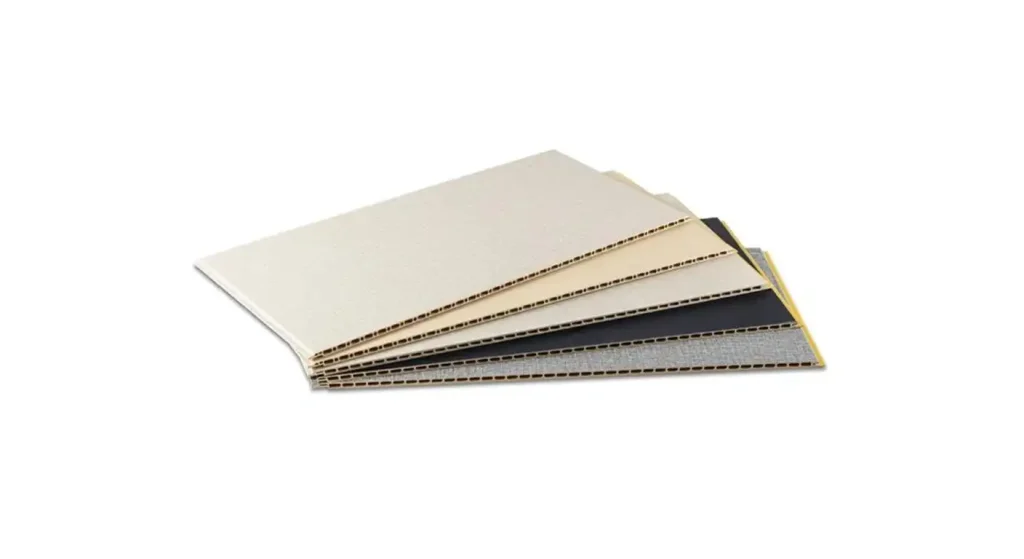
Examine Surface and Colour consistency
Decorative films and embossing and matte finishes can appear to vary within production runs. Differences will be noticeable if the wall is large and continuous.
Accept a physical sample and not just digital images. Examine it in daylight and under artificial light and note the colour code, the level of gloss, grain direction and acceptable variation.
Inquire about the control of surface films, pigments and embossing rollers. If the project is going to be shipped more than once, explain if the manufacturer will send them in the same finish that was approved for the previous shipment.
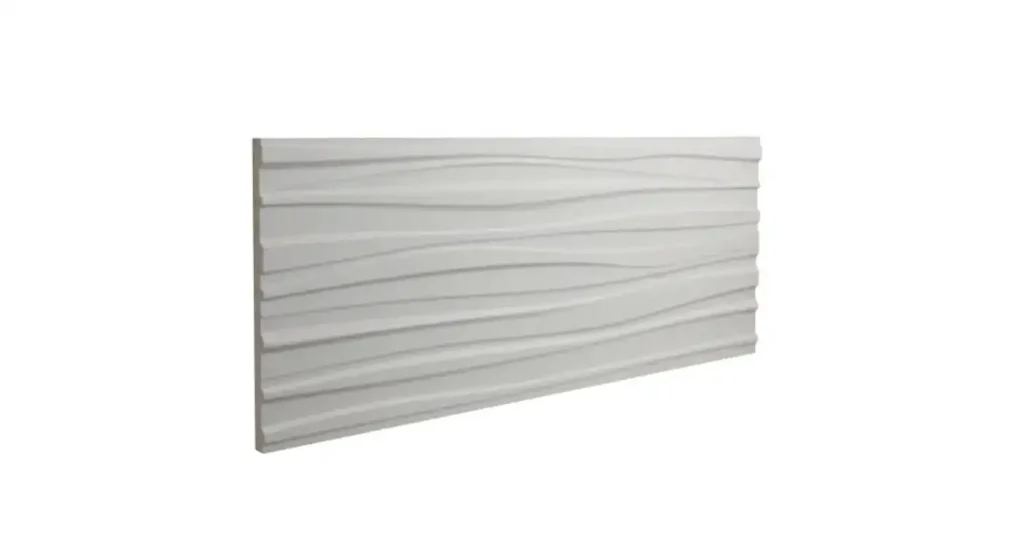
Assess Customization Realistically
They can be customized in terms of length, width, thickness, colour, texture, finish and mounting specifications. All the changes have varying impact on cost and production risk.
Unique length can save on cutting waste and unique profile can mean new tooling. Minimum material quantities and careful batch control may be required for a custom colour.
HSCS Decor's custom wall cladding panels showcase possibilities of dimensions, materials, colours and surface finishes.
In the quotation, ask the manufacturer to distinguish the standard options, the colour matching, machining, new-profile development.
Verify Weathering/Moisture Performance
Exterior cladding has to withstand not only rain itself, but many other environmental stressors as well. Colour and dimensional stability may be compromised by exposure to the following factors: UV exposure, freeze-thaw cycles, heat, humidity, and repeated wetting.
Request test methods and results pertinent to the construction of the final panel. Weatherproof, UV-resistant, etc. are general claims which are not enough without the conditions.
Check expansion gaps, fasten spacing and ventilations. Even if the panel is a durable one it may fail if it is installed in a manner that will not allow the expected movement or if moisture is trapped behind the cladding.
Ensure that Fire and Project Documentation are checked.
Fire performance standards vary with the building, the location/wall assembly. Flame-retardant means does not necessarily replace documentation for products.
Inquire about the thickness of the panels, core material and surface finish that were tested. Ensure that the report specifies the test method and test result.
HSCS Decor offers a certification section for users to get started. It is still important, however, that each document be correlated to the product purchased and the local needs of the project.
Please note that this is a test installation and no order will be placed.
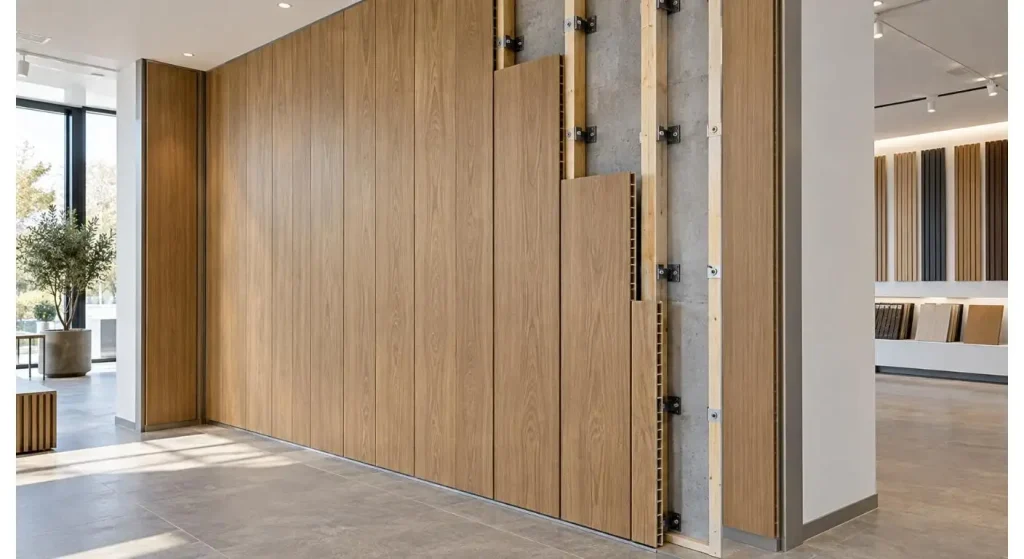
A small installation mock-up shows problems which might not be apparent in a 'free sample'. Install multiple panels using the designated clips, screws, battens and trims.
Inspect for proper joint alignment, fasten access, cutting quality and corner appearance. Check for clearance in ventilation and movement for exterior systems.
The mock-up also provides a better estimation of labour and tools for the installers. Document everything that is approved for installation prior to mass production.
Perform a review of the Manufacturers' Production Controls
The uniform cladding requires the control of raw materials, extrusion (forming), cooling, surface finishing, cutting and packing. Any variation may alter the size and/or appearance of the panel at any stage.
Inquire about manufacturer's testing for effective width, straightness, colour and surface defects and joint fit. Test pieces that come from different production times and not a single ‘production display sample'.
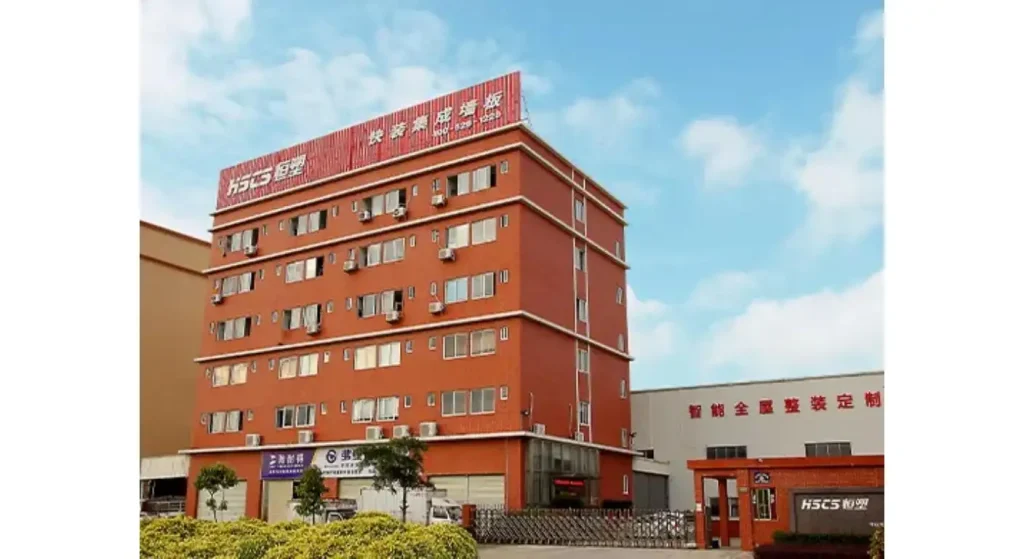
According to HSCS Decor history of manufacturing starts from 1995 and the present company was founded in 2009. However, the buyers should still assess the factory based on the particular cladding system and quantity of material needed.
| Inspection Item | Verification Method | Main Risk Controlled |
| Effective width | Dimensional measurement | Coverage calculation errors |
| Panel straightness | Flat reference inspection | Difficult installation |
| Joint fit | Random assembly test | Open or uneven seams |
| Surface colour | Approved sample comparison | Visible batch variation |
| Package support | Packing and lifting trial | Bending during transport |
Including the works of the artists' packs with long panels.
Handling of the cladding panels may result in scratches or bent or damaged ends. It is necessary that long products have adequate support during loading, transport and unloading.
Check number of panels per package, gross weight and method of lift. The protective film, corner guards and rigid external support must be consistent with the shipping route.
Review container-loading plans prior to production. Surface protection packaging can waste container space and material, and can add significantly to the landed cost.
Acknowledge a Golden Sample and Pilot Batch
The golden sample should define the final material, profile, colour, texture, dimensions and appearance of the joints. Matching references should be held by both the buyer and manufacturer.
A pilot batch is used to assure that the formulation can be extruded, finished, cut and packed to match the approved sample. Measure a number of panels from various bundles and create a number of random panels.
Do not allow mass production until the panel fits properly and looks as per documentation.
Conclusion
When selecting a cladding panels manufacturer, it is important to consider the entire cladding system, not just a single decorative panel sample. All of the material, profile, surface, accessories and installation requirements have to be determined together.
Accept a physical sample, test a mock-up and make sure a pilot batch is accurate before it goes into mass production. This minimizes issues with installation and consistency throughout the building.
FAQs
Q1. What details do I need to provide a cladding panels manufacturer?
Include Application, Drawings, Panel Sizes, Colour, Finish, Quantity, Substrate & Destination. Where applicable include performance and documentation requirements.
Q2. Is it possible to customize the cladding panels?
Customisation is possible with dimensions, colours, textures and finishes as well as profiles by manufacturers. MOQ, tooling and lead time are dependent on the level of customization.
Q3. How can I approve a cladding colour?
Accept a physical product under the lighting of the project. Make note of the colour code, gloss and texture and acceptable batch variation.
Q4. Why do you need to have an installation mock-up?
Mock-up validates panel joints, trims, fasteners, cuts and corners. Can uncover system issues before the entire order is manufactured.
Q5. What should be checked in the process of production?
Inspect dimensions, straightness, surface finish, colour consistency and joint fit, and packaging. Samples should be obtained from various production stages, and from various bundles.


