



2026 Domestic Interior Wall Paneling Guide: What To Choose And Why
Domestic Interior Wall Paneling is no longer just a “decor layer”—in 2026 it is a practical way to improve finish quality, speed up renovation, and make interiors easier to maintain. From Hengsu’s manufacturing view, new buyers often succeed when they stop choosing by appearance only and start choosing by use scenario + performance targets. This guide explains what to choose and why, using simple logic you can apply to homes, apartments, light commercial spaces, and project orders.
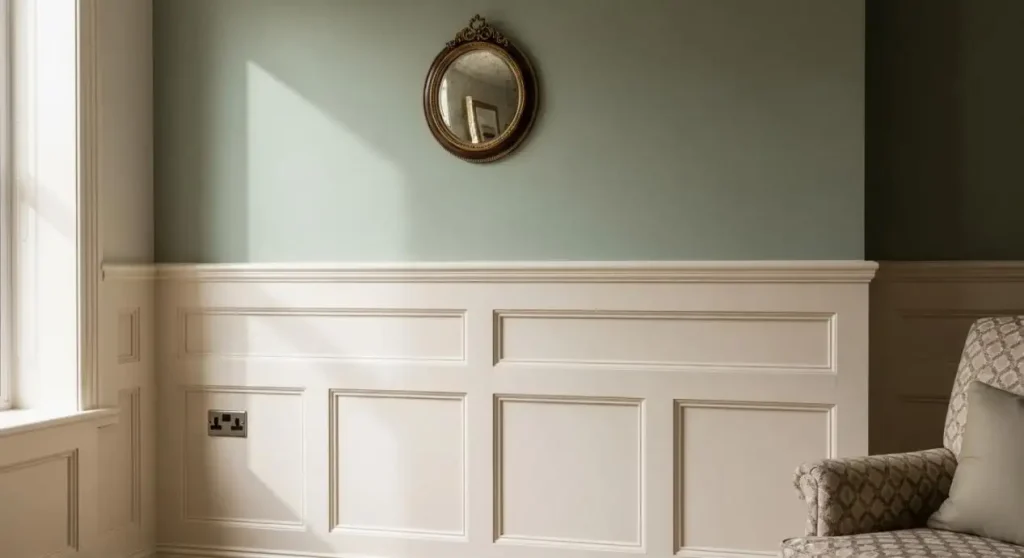
Why Domestic Interior Wall Paneling Matters in 2026 Projects
Interior projects are under pressure: labor costs are rising, schedules are tighter, and owners want cleaner looks with less ongoing repair. Domestic Interior Wall Paneling solves several of these problems in one system. It can cover uneven substrates, reduce the need for repeated patching, and create consistent visual lines across large areas.
In many projects, paneling also reduces “hidden” time. Painting requires drying windows and dust control. Traditional tile requires skilled labor and longer curing steps. Panel systems, when planned correctly, can shorten the finishing stage and improve consistency between rooms, floors, and batches. For buyers, the key is to treat paneling as a materials decision and a workflow decision at the same time.
Domestic Interior Wall Paneling: Core Materials and What They Do
Different core materials behave differently under heat, moisture, impact, and daily cleaning. A good looking sample does not guarantee good long-term performance. Below is a buyer-friendly way to understand the common options you will see in the market.
PVC/WPC Panels: Cost Control and Easy Maintenance
PVC and WPC (wood-plastic composite) are widely used because they are stable, easy to wipe clean, and suitable for repeated production. Many projects choose these panels in 5–10 mm thickness ranges for interior walls, where weight, flatness, and installation efficiency matter. WPC often offers a more “solid” feel and can be a good choice when buyers want a warmer texture without moving to real wood systems.
Wood/Veneer Systems: Premium Feel With Higher Care Requirements
Wood-based boards and veneer finishes can deliver a premium look, but buyers should pay more attention to moisture control and emissions compliance. For many domestic interior spaces, formaldehyde and VOC performance is not optional. Buyers commonly ask for E1/E0-level references (market terminology varies by region) and request third-party test reports for project procurement. If your project includes children’s rooms, clinics, or hospitality spaces, this step becomes even more important.
A Practical Performance Checklist: What to Check Before You Choose
New buyers often compare colors first, then discover performance issues after installation. A more reliable method is to check “must-haves” before you approve a finish.
• Fire Performance Target: Ask what standard is used (for example, EN 13501-1 or ASTM E84) and request the matching report for the exact panel structure (core + film/laminate + backing).
• Moisture And Cleaning Resistance: If the wall will be wiped often, confirm the surface film type and stain resistance expectations.
• Flatness And Dimensional Stability: Long walls reveal small defects. Ask how the factory controls warpage and batch consistency.
• Impact And Scratch Expectations: Corridors, retail areas, and homes with pets need a tougher surface than a guest bedroom.
• Indoor Air Considerations: Request emissions documentation suitable for your sales market and application.
At Hengsu, we encourage buyers to define the “worst day” of use: steam from bathrooms, cooking odors, kids’ fingerprints, moving furniture, or high-traffic hallways. Domestic Interior Wall Paneling should still look clean after those moments, not only on day one.
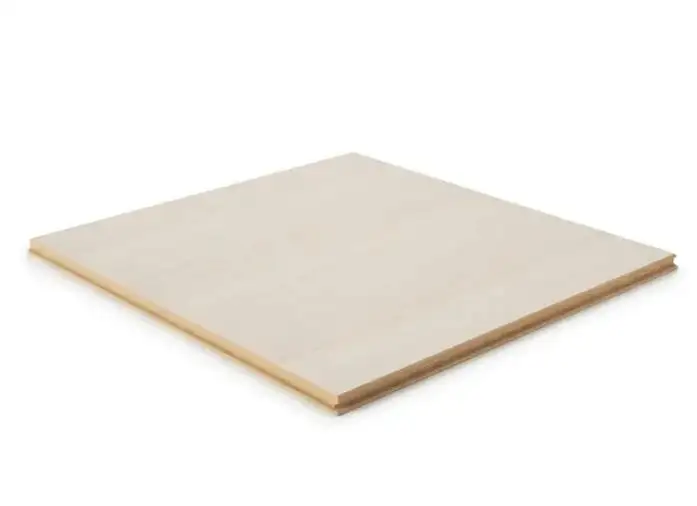
How to Match Domestic Interior Wall Paneling to Each Room
A smart selection is not one panel for every space. It is a small set of panel types that cover the most common room needs while keeping procurement simple.
For living rooms and bedrooms, buyers usually prioritize appearance and comfort. Matte finishes reduce glare from lighting and look more premium in photos. In these spaces, the goal is often to create a consistent background that works with furniture and textiles.
For kitchens, laundry areas, and near entryways, performance matters more than style trends. Grease, dust, and repeated wiping will test surface durability. For these zones, choose finishes designed for easier cleaning and consider joint and edge detailing that reduces dirt traps.
Bathrooms are the most misunderstood area. If you use paneling inside wet zones, you must confirm the full system design, including sealing strategy, edge protection, and substrate condition. Paneling can work well in many bathroom wall areas, but correct installation and water management are essential.
• A simple buyer rule: dry rooms → style-first, semi-wet rooms → cleanability-first, high-traffic → durability-first.
Installation Basics That Protect the Final Look
Domestic Interior Wall Paneling is only as good as the installation plan. Many “panel problems” are actually substrate, layout, or edge-detail problems.
Start with measurement and layout planning. Panel direction changes how a room feels. Vertical lines make spaces feel taller. Horizontal lines can make walls look wider. Decide early, because it affects waste rate and how joints appear.
Then confirm the mounting method. Many systems use adhesive plus mechanical fixing or a dedicated batten/frame approach, depending on substrate and project requirements. Do not ignore expansion gaps and edge finishing. Panels need proper allowance at corners, ceiling lines, and skirting transitions to avoid stress and visible deformation over time.
Finally, treat accessories as part of the system, not an afterthought. Trims, corner profiles, and end caps strongly influence the visual “cleanliness” of the wall. The best panel surface can still look cheap if the edge details are weak.
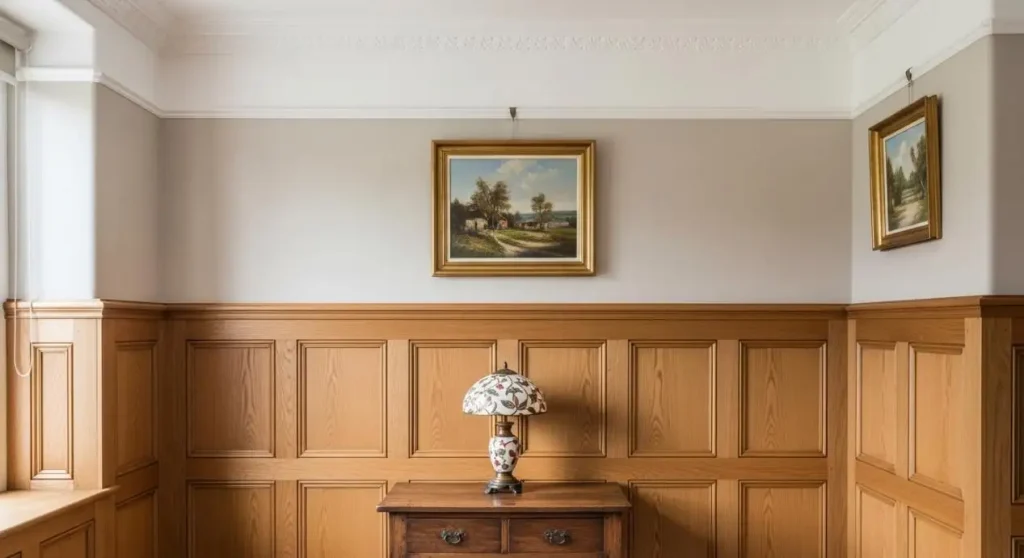
Why Hengsu: A Simple Sourcing Workflow for New Buyers
As a manufacturer, Hengsu focuses on making Domestic Interior Wall Paneling easier to select, verify, and deliver in stable batches. New buyers usually want two things: fewer mistakes in early orders and fewer surprises in repeat orders. We support that by aligning product selection to use scenarios, then matching it with a practical documentation and sampling process.
• Scenario-based recommendation (room type, cleaning habits, traffic level, design tone)
• Sample confirmation that reflects production reality (surface, color, and joint concept)
• Batch control for repeat orders (color consistency and structure consistency)
• Packaging and loading guidance to reduce transit damage for project deliveries
CTA (Call-to-Action):
If you are sourcing Domestic Interior Wall Paneling for retail, project bidding, or brand customization in 2026, contact Hengsu with your use scenario (room types, wall size, preferred finish tone), target performance needs (fire, moisture, emissions), and expected order volume. We will recommend a practical panel structure and surface option, then provide a cost-effective proposal that supports real installation and repeat purchasing.
In 2026, the best choice is not the most expensive panel or the newest texture. It is the panel system that matches your space, your maintenance reality, and your procurement plan—so your walls stay clean, consistent, and easy to manage long after the handover.


