



PVC Paneling for Walls Guide: How To Choose Thickness & Finish
PVC Paneling for Walls is one of the fastest ways to upgrade wet, busy, or high-traffic interiors without the downtime of tile work or repeated repainting. At Hengsu, we often meet new buyers who like the clean look, but feel unsure about one question: Which thickness and finish is "right" for my project? Through practical ranges and recognized industry references, we present a clear path that makes thickness and finish selection more straightforward.
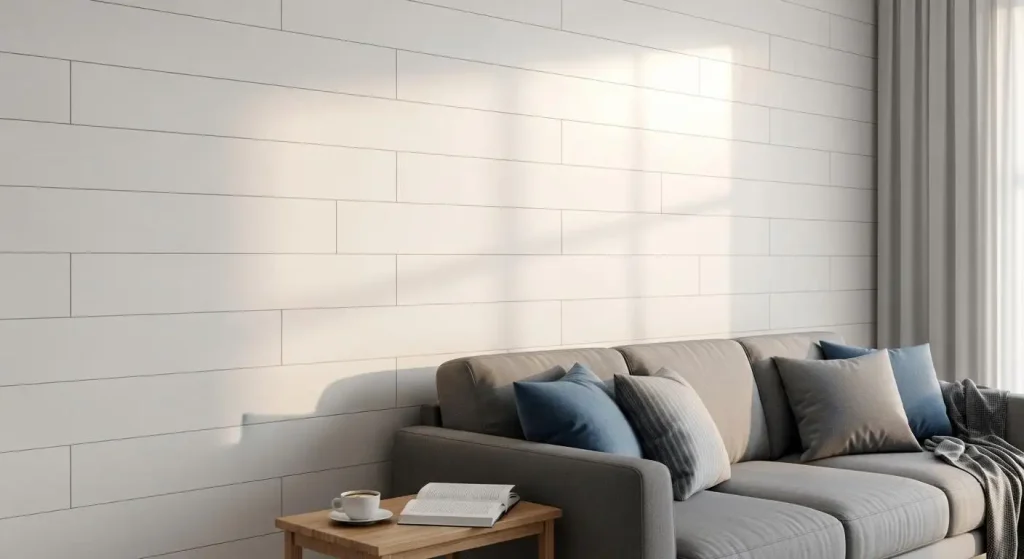
Understand What "PVC Paneling For Walls" Really Means
PVC wall panels are non-porous cladding boards designed to cover interior wall surfaces. Instead of grout lines or paint film, you get a wipeable sheet surface that helps keep walls cleaner and more consistent in appearance. Many panel systems also use interlocking edges (tongue-and-groove) to hide fasteners and create tighter seams, which is useful in areas that require frequent cleaning.
For new buyers, the key is to treat PVC panels as an application-based material choice, not a "one-size-fits-all" decoration. The best spec depends on impact risk, humidity, the wall substrate, and how the space will be cleaned.
•Think "surface protection + easy maintenance" first
•Then choose thickness for stiffness and durability
•Then choose finish for light, scratches, and cleaning behavior
Thickness: The Practical Range Most Buyers Start With
In many interior wall projects, common PVC panel thickness falls into a 5–10 mm range, which balances rigidity, handling, and cost. You will also see wider custom ranges in the market, but new buyers typically make the best progress by starting with this baseline and matching it to their real use case.
How to Match Thickness to Your Use Scenario
Use thickness as a simple proxy for stiffness and resistance to daily abuse:
•5 mm class: suitable for lighter-duty decorative walls and areas with lower impact risk; easier to cut and handle for fast installs
•8 mm class: a common "safe middle" for mixed-use commercial interiors where walls may be wiped often and need better rigidity
•10 mm class: preferred when you want extra sturdiness, better feel, and improved resistance to uneven substrates or frequent contact
As a reference point, many PVC wall panels also come in common lengths around 2.4–3.0 m and widths that vary by style and system design. That size reality matters because thicker panels can be heavier and may change installation planning for tall walls, corners, and transport.
Finish Selection: Gloss, Matte, and Textured Options Explained
After thickness, finish is where buyers usually get stuck—because the showroom look is not the same as real-life cleaning and lighting.
Industry listings commonly describe finishes such as high-gloss, matte, and decorative patterns (wood, marble, tile effects). At Hengsu, we recommend choosing finish based on light and maintenance, not only style.
Choose Finish Based on Light, Scratches, and Cleaning
•High-gloss finish: brighter appearance and strong light reflectance; can make smaller rooms feel cleaner and larger, but may show scratches or swirls more clearly under strong lighting
•Matte or satin finish: calmer look, better at hiding minor surface marks; often preferred for modern interiors and areas with harsh overhead lights
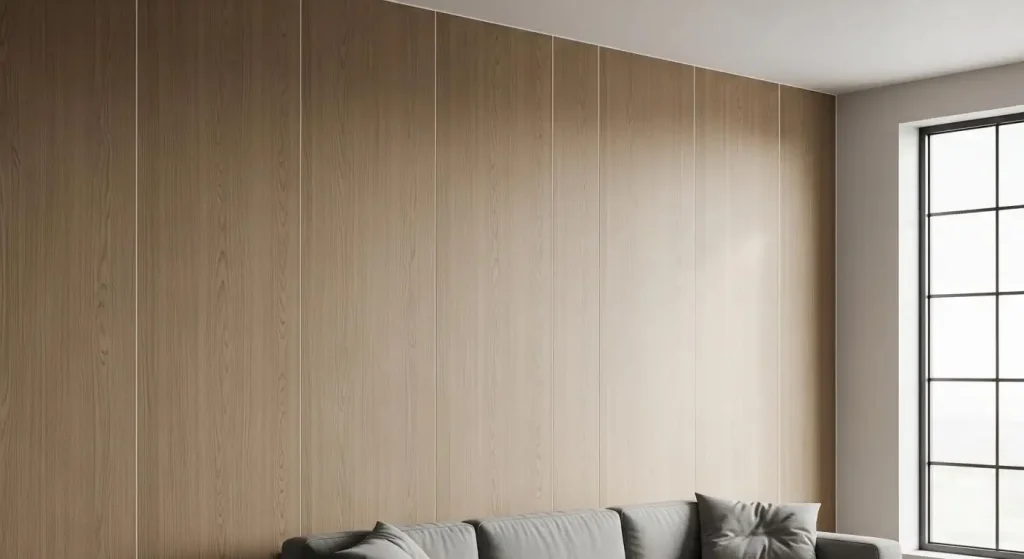
•Textured / patterned finish: helps mask small scuffs and adds design depth; ideal when you want visual character without heavy maintenance routines
A simple buyer tip: if the wall will be cleaned daily or seen under intense lighting, avoid choosing purely by a sample photo. Instead, test a small piece under your real lighting and wipe routine.
Performance Checks New Buyers Should Not Skip
PVC Paneling for Walls is often chosen for moisture-prone environments because PVC materials can have very low water absorption in many product forms. For example, industry material guides cite water absorption ranges around 0.08–0.3% for PVC foam board-type materials, which helps explain why PVC products resist swelling and warping compared with wood-based materials.
That said, wall systems still depend on correct edge treatment, sealing, and installation quality. So the buyer’s job is to verify the performance items that match your space:
•Moisture behavior: confirm the panel system and edge sealing plan for bathrooms, kitchens, wash areas, or coastal humidity use
•Fire rating requirements: some PVC wall panel systems are marketed with ASTM E84 Class A options; always match local code needs and ask for documentation
•Cleaning chemicals: food, healthcare, and industrial spaces may use strong cleaners; check chemical resistance guidance from the system supplier
If your project must meet strict hygiene requirements, use systems that are designed for frequent sanitation and finished with the right trims and sealed joints.

Installation Reality: What Impacts The Final Look Most
Many complaints about PVC Paneling for Walls are not caused by the panel itself, but by installation shortcuts. Interlocking designs can speed up installation and hide fasteners, but the wall condition and detailing still control the result.
Here is a practical checklist we give new buyers before they place an order:
•Confirm wall flatness and moisture condition before installation
•Plan trims for corners, edges, and transitions (this is where projects look "premium")
•Leave appropriate allowance for expansion where required by the system
•For wet zones, seal edges and joints according to the installation guide
When you select thickness, remember: thicker panels can help "forgive" minor substrate issues, but no thickness can fully hide an uneven wall without proper preparation.
A Simple Buying Workflow From Hengsu (With CTA)
If you are sourcing PVC Paneling for Walls for retail, projects, or brand programs, your best first step is to define the space like an engineer, not like a decorator: humidity level, cleaning frequency, lighting, and impact risk. Then thickness and finish become a logical match, not a guessing game.
At Hengsu, we typically help buyers shortlist 2–3 suitable thickness/finish combinations, and confirm the trim approach so the final install looks consistent at corners and joints.
•Share your application (bathroom, shop, office, kitchen, corridor, facility wall)
•Tell us your preferred finish (gloss / matte / textured) and target look
•Provide wall height, approximate area, and your delivery timeline
CTA (Call-to-Action): If you want Hengsu to recommend a practical thickness-and-finish configuration for your market—plus matching trims and packing options—contact us with your project scenario and expected order volume. We will reply with a clear specification suggestion and a cost-effective proposal for real-world installation.


