



Wall Cladding Panels USA: What U.S. Buyers Should Check Before Ordering
It is relatively easy to purchase wall panels to create a single feature wall. It is not to purchase them for a hotel renovation or apartment project, retail rollout or distribution program in the United States.
In fact, Wall Cladding Panels USA is a specification question for Professional Buyers.
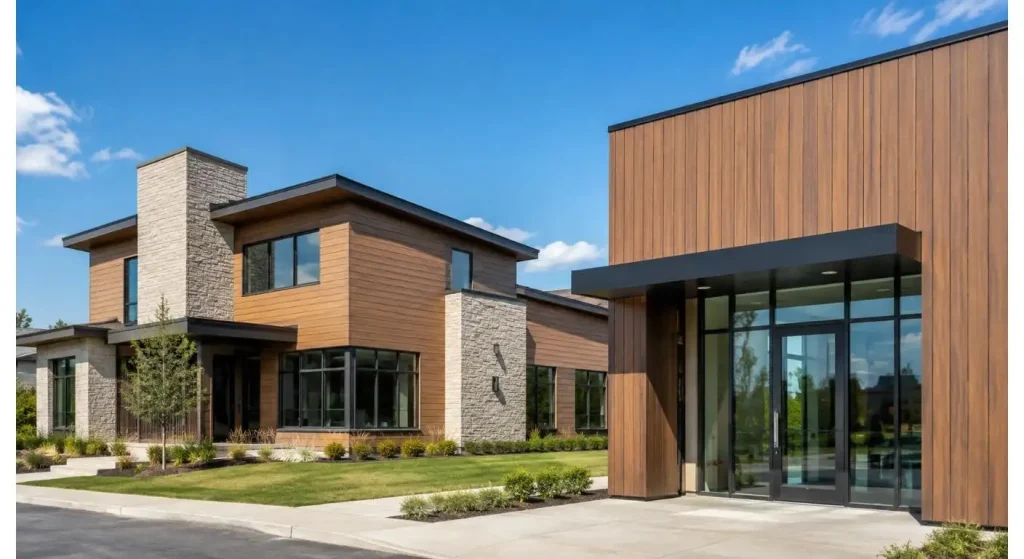
The finish is still important, however. However, prior to approving a panel, someone should be asking if the panel is appropriate for the location of the wall, if the wall needs to accommodate a particular climate, if there's a particular fire documentation it needs to meet, if it will fit into the installer workflow, if it has a replacement strategy etc.
That's where many otherwise good-looking products turn into bad projects.
The key to successful outcome is to begin with the wall location, not with the finish.
One of the simplest errors is picking a wood grain or color initially, after which attempting to make the design fit.
It is preferable to first determine the wall state.
For use as an interior feature wall in a residential bedroom or an office or hospitality space, the interior composite panel might only require moderate impact resistance, easy cleaning and a uniform decorative finish. HSCS WPC Wall Panel Interior can be used in homes and for commercial interior purposes, features interlocking installation with a variety of surface options.
Take the same design out of the house and the specifications change.
Moisture, UV exposure, temperature movement, fasteners and edge detailing are more critical concerns for exterior walls. Instead of these interior and exterior panels being interchangeable products, HSCS has created its own group of products called WPC Wall Panel Exterior.
That separation should occur before talking to a U.S. buyer.
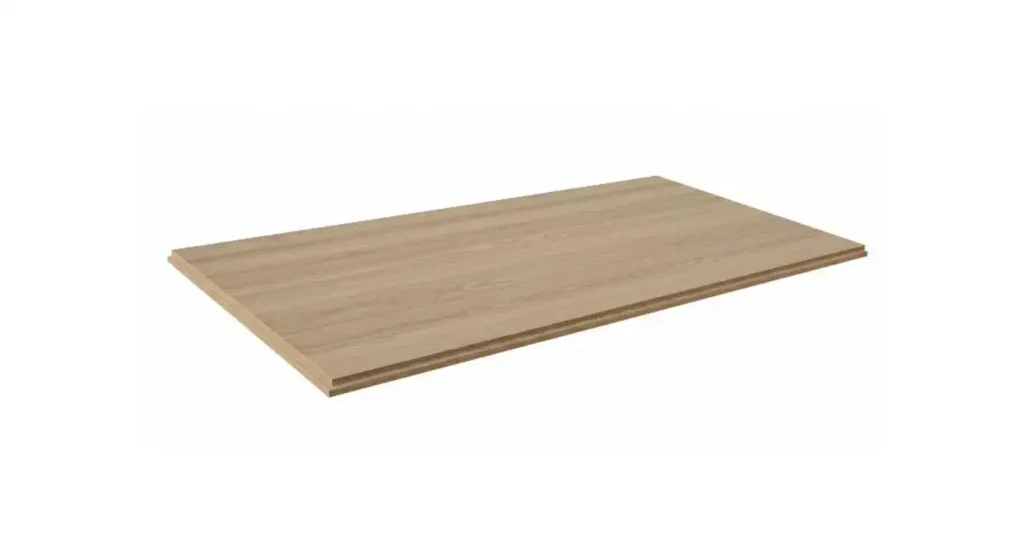
“USA” Is not one Exposure Condition
The environment a panel will encounter on a protected restaurant wall in California does not match that of exterior cladding in other parts of the country where panels get harsh exposure to the sun, frequent humidity, rain or cycles of freezing temperatures.
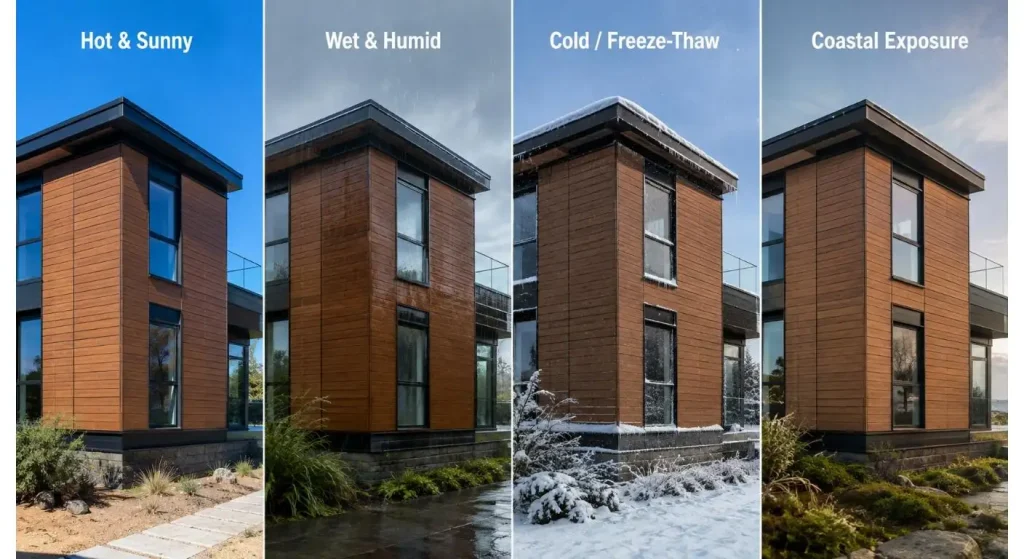
If it doesn't specify the project location, then the term Wall Cladding Panels USA is too general.
If used outdoors, inquire of the supplier the specific product grade used for:
- direct sun and UV rays;
- Rain and moisture on the ground;
- SO hot and humid conditions;
- cold-weather temperature cycling;
- Coastal or salt-air areas;
- sheltered vs. complete exposures.
Wall cladding panels used in interior or exterior situations are also cited by HSCS, but should be professionally specified according to the actual construction exposure, not by a generic "outdoor suitable".
This is particularly crucial for distributors. Some SKUs may be a good fit for an interior remodeling program, but not necessarily the right product for each exterior inquiry.
| Project Condition | What the Buyer Should Verify | Why It Matters |
| Interior Dry Area | Surface durability, cleaning, finish consistency | Daily appearance and maintenance |
| Interior Humid Area | Moisture resistance, substrate condition, sealed joints | Reduces moisture-related problems |
| Sunny Exterior | UV resistance, color stability, fixing method | Limits fading and surface aging |
| Wet / Coastal Exterior | Moisture resistance, suitable fixings, edge protection | Improves long-term exterior performance |
| Cold Exterior | Temperature movement, fastening and joint allowance | Helps manage seasonal movement |
| Commercial Interior | Fire documentation and project submittals | May be required before material approval |
Category, the winner is the first to submit the complete, required documentation.
You can see from a sample if the finish will be right for you. It does not provide any indication of whether or not the project team will accept the material submittal.
When designing the interior of a building in the U.S., one of the first technical issues to be addressed is fire-performance documentation. The 2024 International Building Code (IBC) requires interior wall and ceiling finishes to be classified, based on ASTM E84 or equivalent provisions, based on the application.
The ASTM E84 test is used to measure the relative surface flame spread and smoke development under specific test conditions and should not be interpreted as a comprehensive fire-risk assessment in and of itself.
HSCS states that one of the fire-performance options for PVC Wall Panels is Fire Resistant PVC Wall Panels, rated per ASTM E84 Class A.
However, in the case of a real order, don't end with the website description.
When ordering, check that the report ordered is for the same material, thickness, surface construction and product that is being ordered. Conditions may differ from occupancy to occupancy, and from project to project and local jurisdiction.
This little documentation step is far less expensive prior to shipping versus after arriving on the job site.
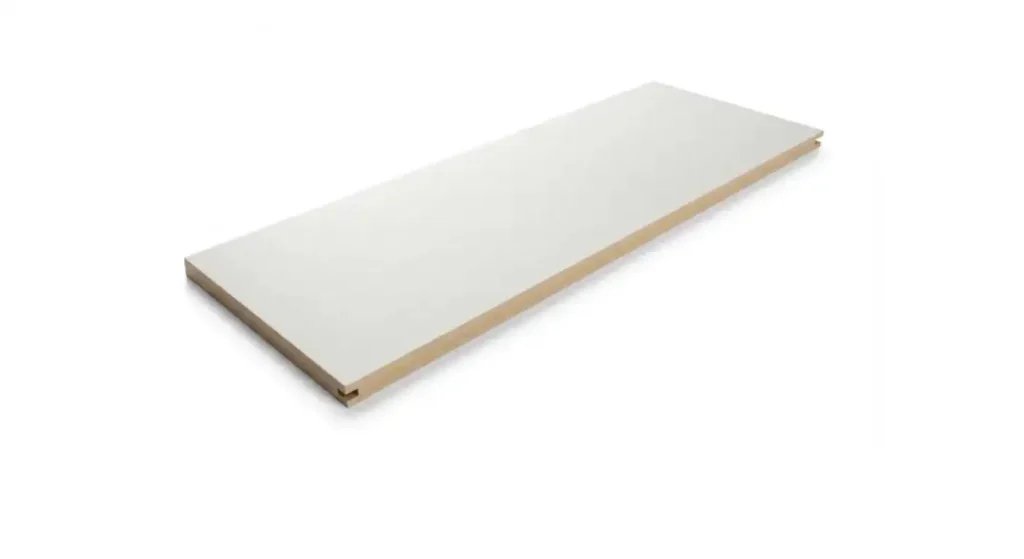
With Imperial, you can modify the installation plan.
There is a need to give more consideration to dimensions than is normally done.
A very common scenario is for American contractors to plan walls, studs and material takeoffs in feet and inches. Metric dimensions are commonly used for manufacturing in overseas factories. Those systems could be used together just fine, but only as long as the layout is checked prior to production.
In fact, HSCS now has one format for WPC interior panels that is approximately 94.49 × 6.61 inches.
Prior to finalizing a bulk order the contractor must understand:
- finished panel width;
- Cover width after interlocking (effective cover);
- panel length;
- thickness;
- trim dimensions;
- recommended expansion allowance;
- pieces per carton;
- The number of panels needed upon cutting waste.
Don't use gross wall square footage to calculate the purchase.
Corners, windows and door openings, electrical outlets and pattern direction can noticeably affect the actual amount.
Installer should review the product prior to the container ships.
This may seem like a no-brainer, but it is often overlooked.
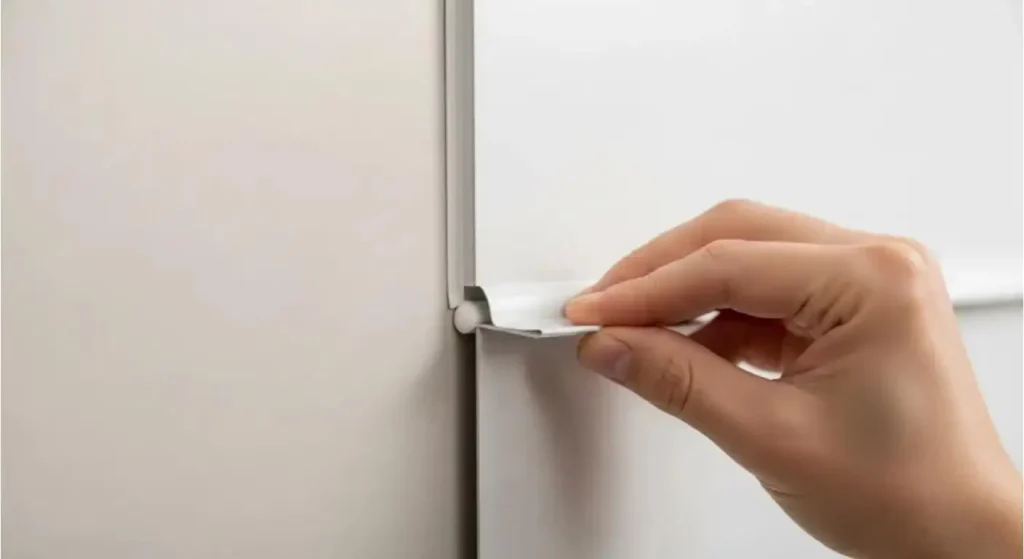
The buyer and the installer of the panels may not have any communications until delivery of the material.
That is risky.
The type of fixing may vary depending on the type of substrate. The HSCS wall panel installation guide covers aspects such as direct fixing, battens, wall preparation, corner treatment and cutting around outlets.
If it is a commercial project, provide the following to the installer at the time of sample approval: Panel profile, fixing detail, trim drawings.
One question for practical:
“If this material was delivered to site tomorrow, what would you lack in order to start installing the first wall?”
Answers are generally more helpful than a second round of discussion about color.
| Item to Confirm | Required Information |
| Panel | Material, profile, thickness, finish code |
| Size | Overall width, effective cover width, length |
| Compliance | Applicable test reports requested by project |
| Installation | Substrate, fasteners/adhesive, batten requirement |
| Accessories | Internal corners, external corners, end trims |
| Packaging | Pieces/carton, carton dimensions, pallet method |
| Sample | Approved panel or multi-panel mock-up |
| After-Sales | Matching spare panels / production reference |
Don't just hand sample, approve a Small Wall.
Finish chip to verify color (small). Does not verify the completed system.
A more suitable approval procedure for larger orders of Wall Cladding Panels USA would be to join two or three whole panels together.
That mock-up of such simplicity contains:
- joint visibility;
- pattern repetition;
- edge alignment;
- trim compatibility;
- cutting behavior;
- Panel colour variation;
- How the completed wall will respond to real life lighting.
When the project has more than one room or store, save the approved reference sample until the project is produced.
This provides the same visual standard for the buyer, supplier and installer.
Plan For Replacement Stocking In Advance.
Furniture for commercial interiors is put to the test. Tenants change. Retail display can be relocated. You have a chance that one installer may make a bad cut on one panel.
It is not often that one piece needs to be replaced. The difficulty is to find a matching piece 2 years later.
For project and distributor orders, document the Approved Finish Code, Panel Profile, Dimensions and Production Reference. If the building is large, it may be easier to have a small amount of material on hand that matches the existing material for repairs later on.
It's something that one may feel is not needed when the project begins, but very helpful when maintenance starts.
Final Buying Check
The best wall panel for U.S. projects isn't necessarily the panel that has the best list of features.
It is the one with the same material, documentation, size and installation technique and that is at the same level of exposure as the real wall.
Please verify before placing the order:
- For indoor or outdoor applications;
- actual climate exposure;
- fire and technical documents needed by the project;
- the final and usable size of the panel and its efficiency;
- trims and accessories;
- Substrate and fixing method;
- approved multi-panel sample;
- spare-material strategy.
That is a far more powerful method of obtaining Wall Cladding Panels USA than picking one based on a picture and answering technical queries subsequently.
FAQ
Q1. What wall cladding panels are good for inside projects in the USA?
WPC and PVC panels are effective solutions in homes, hotels, offices and shops. The type of selection should be based on the type of finish, cleaning, moisture exposure and project documentation.
Q2. Is it possible to use interior wall cladding panels outside?
Not automatically. Outdoor products must be made for outdoor moisture, UV and temperature conditions.
Q3. Are ASTM E84 tests required for wall-cladding panels for U.S. projects?
Interior finish classification will typically refer to ASTM E84, but it will vary with project and local code. Please check the requirement prior to ordering.
Q4. What units should the U.S. buyers use for ordering panels?
Either can work. It is the actual panel coverage and an accurate conversion of the layout that is important before ordering.
Q5. What's the extra number of wall panels a commercial project should have?
The amount will vary depending on the layout and cutting waste and likelihood of future repair. Typically, if you have a large or a repeat project, you should plan for installation waste and for some equal replacement stock.


