



Why Traditional Wood Siding Fails in the Philippines' Tropical Climate – Wall Cladding Philippines Guide
The tropical beauty of the Philippines is a reality for architects and builders. Not only does the beauty create an awe inspiring backdrop for building, a challenge is also presented. High levels of humidity and harsh weather conditions erode building materials. One of the most popular and aesthetically pleasing building materials, wood, does not fair well under the harsh conditions. This article will explore the failures of wood and the importance of choosing Wall Cladding Philippines for beautiful building solutions.
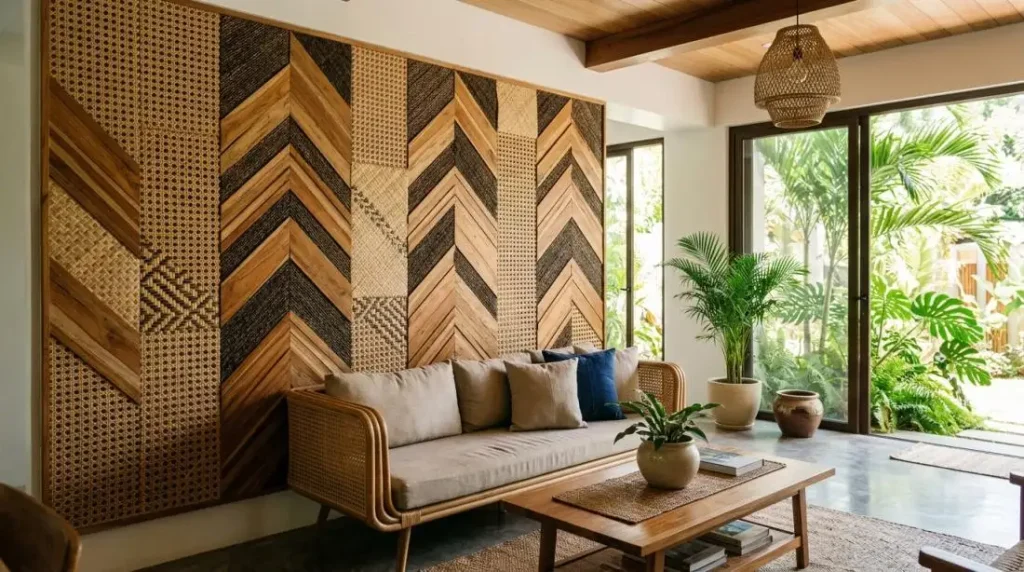
Tropical Weather of the Philippines
There are many countries with tropical weather, but none like the Philippines. The following describes some of the extreme environmental conditions that are present year round:
• Average year round temperatures between 25 - 32°C
• Humidity frequently exceeding 80%
• Seasonal Monsoon with 20 Typhoons a year
• Intense equatorial UV Radiation
• Expansive and energy filled fungal life
There is no building material that can withstand these conditions. While wood offers a classic beauty, it quickly deteriorates.
The Disadvantages of Choosing Wood Siding
While wood has its historic benefits, the beauty and charm quickly vanish with the extreme of the Philippine weather. Here's a list of some of the failures of wood siding.
• Absorption of Moisture and Swelling
Highly humid and rainy conditions cause wood to swell. Rain will cause the siding to warp. Gaps will form and moisture will be trapped behind siding.
• Cracking and Splitting
The sun and monsoon cause extreme conditions creating stress on wood. Splitting will happen to wood siding compromising its protective function.
• Fungal Decay and Rot
Moisture leads to the growth of wood-decaying fungi. When rot occurs, the wood decays, and the structural integrity of the wood is compromised. With enough rot, the wood can break apart just with a finger.
• Termite Infestation
Subterranean termites are native to the Philippines and are attracted to damp wood. Standard siding gives them a clear pathway to enter the wood framing of your home.
• UV Degradation
The sun's UV rays damage wood in the siding by breaking the bonds of lignin, turning it a gray, rough, and brittle. Wood siding can cause peeling of paint and sealants, and requires them to be re-applied frequently.
• High Maintenance Cost
Wood siding requires a lot of maintenance, including scraping, sanding, sealing, and painting every 1-2 years. This leads to a financial burden that lasts for the life of the siding.
Traditional wood siding in the Philippines is a losing battle against nature, and fails functionally, aesthetically, and economically.
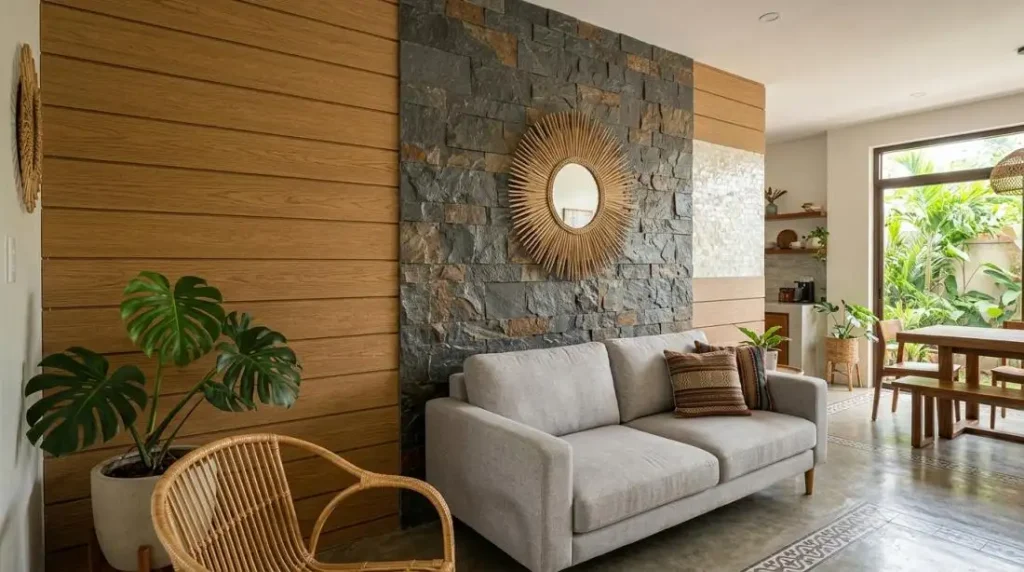
The Superior Alternative: Modern Wall Cladding Philippines Solutions
The design system at Modern Wall Cladding Philippines has completely removed wood from our buildings and replaced it with tropical resilient siding. Products made of Wood-Plastic Composite (WPC), fiber cement, and treated aluminum offer clear advantages:
| Property | Traditional Wood | Modern Wall Cladding (WPC/Fiber Cement) |
| Water resistance | Poor, absorbs moisture | Excellent, hydrophobic |
| Insect resistance | None, termite magnet | Termite-proof |
| UV stability | Low, fades and cracks | High, color retention |
| Maintenance | Frequent (annual) | Minimal (soap & water) |
| Lifespan in PH climate | 3-7 years | 15-25+ years |
Wood is able to repel moisture without swelling or warping, block UV without fading, resist typhoon wind pressure when properly installed, and thermal insulation to reduce air conditioning costs.
Key Features to Look for in Wall Cladding Philippines
If you're considering wall cladding for your Philippine home or project, it's best to look for these qualities.
• Closed cell or composite core – stops moisture wicking
• UV stabilized surface – Color won't fade
• Impact resistant – Keeps wall cladding intact against flying objects
• Ventilated back system – let walls dry to avoid mold
• Interlocking installation – Reduces the chances of installation errors
While these are the hallmarks for quality Wall Cladding Philippines, not every stakeholder is the same. You need a partner with experience.
Why Hengsu Is a Trusted Name in Wall Cladding Manufacturing
There is a reason why Hengsu has a good reputation in wall cladding; it's because of their quality products and years of experience. Unlike other fabrication organizations, Hong Kong Hengsu Decoration Materials Co. Ltd. has specialized experience of over 20 years in the wall cladding of Philippines, and here's why Hengsu is the best.
�� 24 Years of Glory
Hengsu started their journey in 1995 as Zhongshan Hengli Plastic Factory and officially incorporated in 2009. This long heritage means complete mastery of composite materials – not a fly-by-night operation.
�� Strategic Location & Logistics
Being part of the Yongxing Industrial Park in Henglan Town, Zhongshan City, the factory is situated pretty well with respect to Logistics. The Convenient roads surrounding the factory guarantee a good and secure dispatch to The Philippines
�� Pledge to Environmental Responsible Building Materials
Hengsu actively produces and invests in the research and development of new, safe, and environmentally responsible building materials. We focus on exploration and innovation. Our healthy ecology wall top series is known for simplicity in construction and creativity in design.
�� A Team of Professionals with Expertise
Hengsu is one of the top manufacturers of PVC Wall Panels and offers specialized design, technology, management, marketing, and after-sales support. Their strengths cover:
• Hard-won Experience – Years spent in building materials with hard-eyed focus and documented success.
• Teamwork – consistant reliable leader and exuberantly productive.
• Dedicated to Innovation – Persistent improvement of product/service/procedures.
• Responsive to Customer Needs – Timely, superior, and customized service.
For your Wall Cladding Philippines requirements, look to a proven specialist to meet your structure and product needs.
Conclusion: Smart Choices for Your Property in the Philippines
We know wood siding looks classy, but with the Philippines class B timber, wood siding becomes justified. The moisture, UV rays, and storms combined with our wood eating vermin would not only cost more, but also destroy beautiful wooden siding in no time.
Modernize your building's exterior by investing in wall cladding in the Philippines. Choose Hengsu's advanced composite cladding products. You are guaranteed an attractive and functional wall cladding solution that lasts decades and is low-maintenance. Remember to “go with the tropics” when you build or modernize.
Choose Hengsu for durability and peace of mind.
FAQs
1. Is wall cladding expensive in the Philippines?
Not all wall cladding in the Philippines is expensive. The cost of modern wall cladding products (like WPC) are higher than inexpensive alternatives in the short term, however, in the long term modern wall cladding products are much cheaper. Traditional wood wall cladding requires regular maintenance: sealing, painting, and treating for termites.
2. Is it permissible to install wall cladding over existing wood siding?
Most wall cladding systems can be installed over old surfaces using furring strips and ventilation.
3. What is the average durability of quality wall cladding in the Philippines?
Quality wall cladding in the Philippines can last 15-25+ years compared to 3-7 years for traditional wood siding.
4. Does wall cladding make my home cooler?
Quality wall cladding creates an insulating barrier against heat, in turn reducing the cost of air conditioning.
5. Is Hengsu's wall cladding available in the Philippines?
Hengsu is positioned as a major wall cladding supplier to the Philippines and has modern logistic capabilities. Contact them for your local distributor.
6. Will I need special equipment to clean wall cladding?
Cleaning wall cladding is easy with soap and water, and a soft brush. There is never any need for paint, stain, or seal.


