



How Long Do WPC Wall Panels Last Outdoors? (Real Lifespan Data)
High-quality outdoor WPC wall panels typically last between 15 to 25 years, with premium co-extruded (capped) models capable of lasting up to 30 years. Unlike traditional timber which requires frequent sealing to prevent rot, WPC’s lifespan is determined by the quality of its protective polymer layer and proper installation.
In this guide, you will learn:
- The difference between standard and co-extruded lifespan.
- How UV radiation and moisture affect composite materials over time.
- The truth about "fading" and color stabilization.
- Maintenance tips to extend your facade's life beyond 20 years.
The 3 Tiers of WPC Lifespan
Not all Wood Plastic Composites are created equal. The longevity of your exterior cladding depends heavily on the generation of technology used during manufacturing.
1. Standard WPC (1st Generation)
Expected Lifespan: 10–15 Years
First-generation WPC panels are "uncapped," meaning the wood fibers and plastic are mixed but exposed to the elements. While they are durable, they are more susceptible to slight color fading and staining over a decade. These are cost-effective but best suited for areas with moderate weather conditions.
2. Co-extrusion WPC (2nd Generation)
Expected Lifespan: 25–30 Years
This is the industry standard for high-performance outdoor projects. Co-extruded panels feature a 360-degree protective outer shield (the "cap") that wraps around the core. This shield is impermeable to water, highly resistant to UV rays, and scratch-resistant. If you are looking for a "install and forget" solution, this is the tier to choose.
3. Low-Density/Budget Composites
Expected Lifespan: <10 Years
Beware of ultra-cheap composites often found on budget marketplaces. These often use low-density recycled plastics and insufficient UV inhibitors. They may become brittle and crack within 5-7 years of exposure to freezing temperatures or intense sun.
Key Factors That Influence WPC Durability
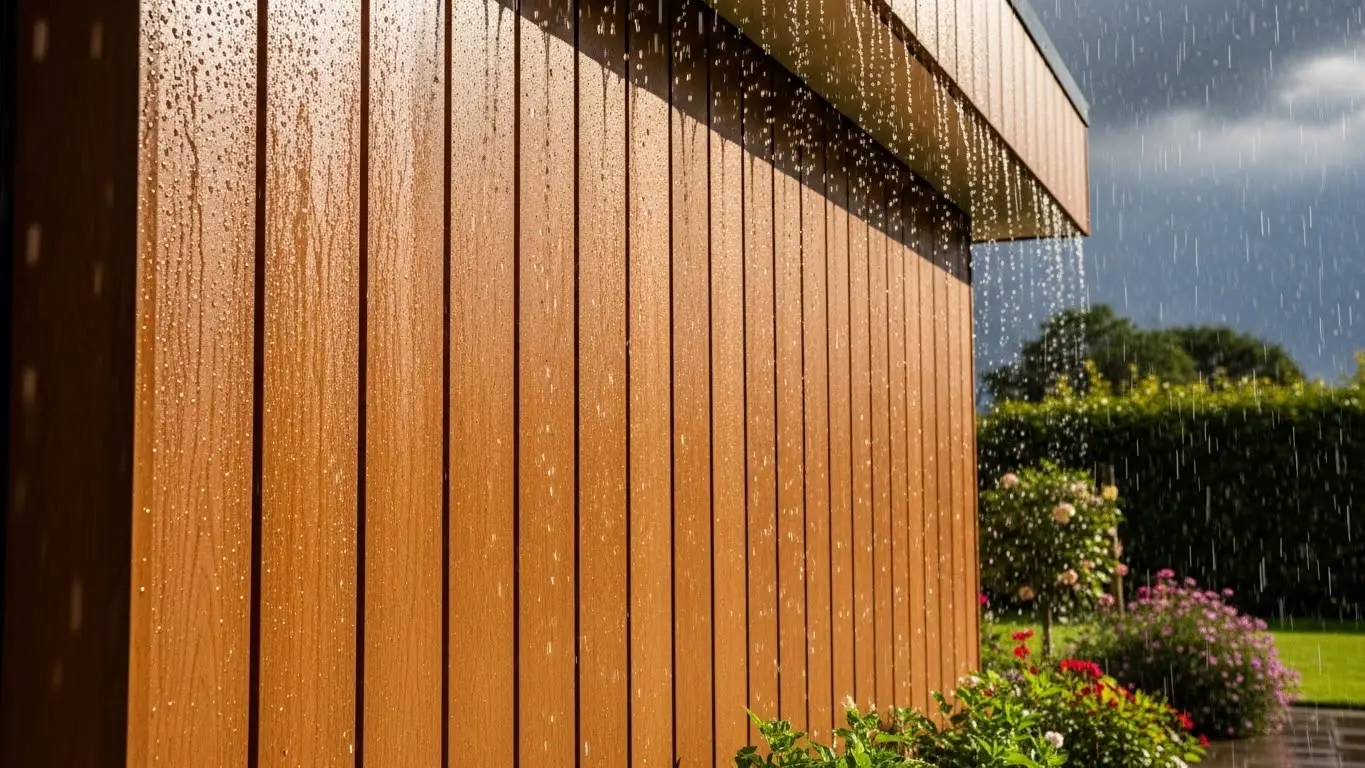
Even the best material can fail if the environment or installation ignores the physics of composite materials.
UV Exposure & Fading (The Sun Factor)
The sun is the biggest enemy of outdoor materials. WPC panels undergo a natural process called "color stabilization." In the first 3 to 6 months, the panels may lighten by about 5-10% as excess tannins release from the wood fibers. After this initial settling period, high-quality WPC locks in its color for decades thanks to UV inhibitors added during the mixing process.
Moisture & Rot Resistance
Unlike wood, WPC does not absorb water into its core, meaning it cannot rot, warp, or feed termites. However, moisture can still be an issue if the cut ends of the panels are not properly managed during installation. Water trapped behind a panel can cause mold on the substructure.
If you are resizing panels for corners or windows, it is vital to know how to cut WPC wall panels without chipping to ensure a clean seal and professional finish that prevents moisture ingress at the joints.
Temperature Fluctuations (Freeze/Thaw)
WPC panels expand and contract with temperature changes. A common cause of "failure" isn't the material rotting, but the panels buckling because they were installed too tightly without expansion gaps.
In regions with freezing winters and hot summers, leaving the correct gap (usually 3-5mm) at the ends of boards is non-negotiable. For a detailed breakdown of gap requirements, refer to our guide on how to install WPC wall panels step by step.
Comparison: WPC vs. Wood vs. PVC Cladding Lifespan
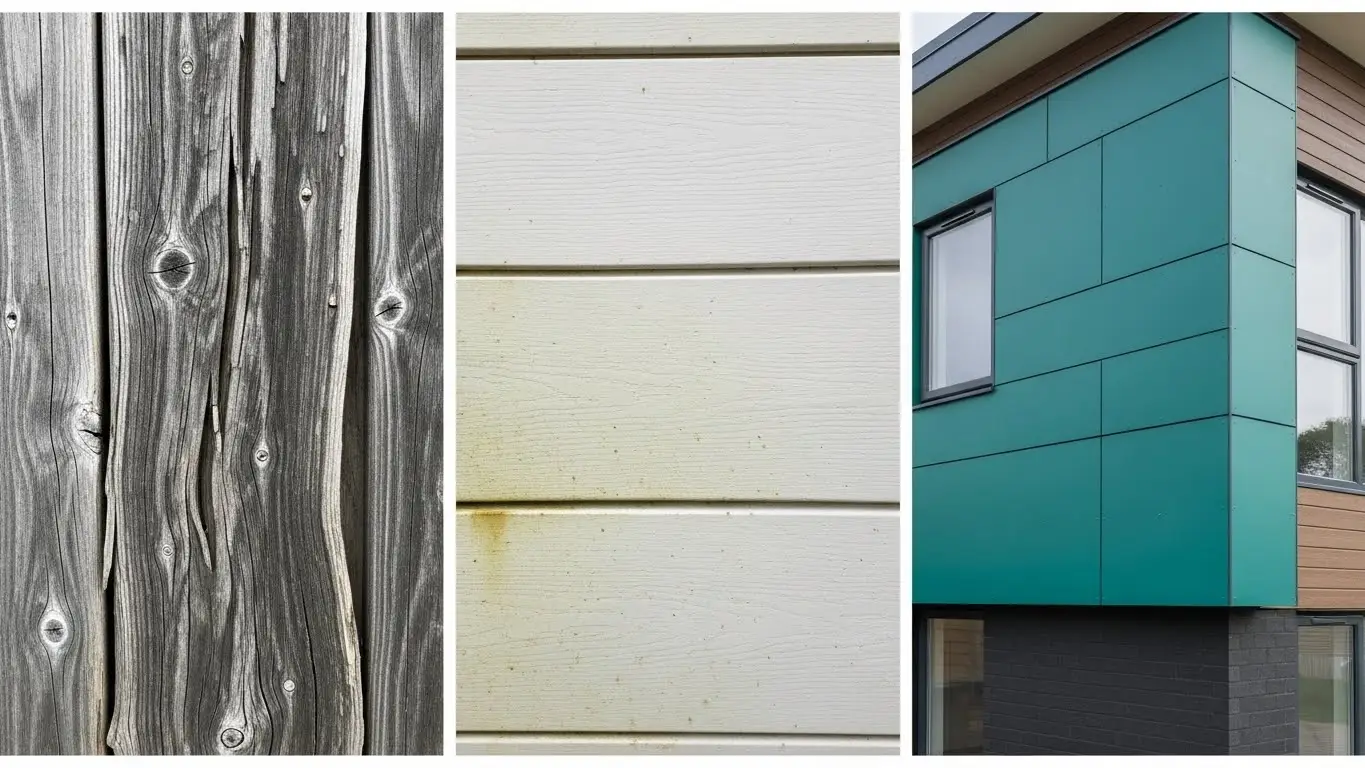
To understand the value of WPC, we must compare it to the alternatives commonly used in exterior architecture.
| Feature | Premium WPC (Co-extruded) | Natural Timber (Softwood) | PVC Cladding |
| Average Lifespan | 25–30 Years | 10–15 Years | 15–20 Years |
| Maintenance | Low (Wash annually) | High (Seal/Paint yearly) | Low (Wash annually) |
| Rot/Insect Risk | Zero | High | Zero |
| UV Resistance | Excellent (Stabilizes) | Poor (Grays quickly) | Good (Can become brittle) |
| Fire Rating | Class B (Retardant) | Class D/E (Flammable) | Class B (Retardant) |
Maximizing Your Wall Panel’s Life: Maintenance Guide
While WPC is marketed as "low maintenance," it is not "no maintenance." A small amount of care ensures the aesthetic appeal lasts as long as the structural integrity.
- Annual Cleaning: Wash the panels once or twice a year using warm soapy water and a soft sponge. This removes dust, pollen, and pollution buildup that can dull the finish.
- Ventilation Check: Ensure the bottom and top of the cladding installation are not blocked by debris, soil, or snow. Airflow behind the panels is crucial for keeping the wall structure dry.
- Avoid Harsh Chemicals: Never use industrial solvents, acetone, or bleach on WPC panels, as these can degrade the polymer cap.
For a complete list of safe cleaning agents and techniques, read our article on how to clean and maintain WPC wall panels.
Common Myths About WPC Weather Resistance
Myth 1: "WPC never fades."
Reality: All outdoor materials react to the sun. As mentioned, WPC stabilizes to its permanent color within a few months. It does not turn "silver-gray" like neglected timber, but a slight tone shift is normal and expected.
Myth 2: "It is 100% fireproof."
Reality: WPC is fire retardant, not fireproof. Most high-quality panels are rated Class Bf1-s1, meaning they self-extinguish and do not spread flames rapidly, making them significantly safer than wood, but they can still be damaged by intense direct fire.
Myth 3: "It gets too hot to touch."
Reality: WPC can retain heat, especially in dark colors. However, vertical wall panels absorb less direct heat than horizontal decking. If your project is in a tropical climate, choosing lighter colors (like teak or light grey) helps minimize heat retention.
Why Choose Hengsu Decor for Long-Lasting Projects?
When you buy WPC, you are buying the technology behind the mix. At Hengsu Decor, we leverage 20 years of PVC and WPC manufacturing experience to create panels designed for longevity.
- Professional R&D: Our teams constantly test formulations to improve UV stability and impact resistance.
- Co-extrusion Technology: We specialize in capped composites that withstand harsh international climates, from freezing winters to humid monsoons.
- Certified Quality: Our production meets rigorous ISO and fire safety standards.
If you are a wholesaler or contractor looking for materials that won't result in warranty claims five years down the line, our co-extruded series is the reliable choice.
Frequently Asked Questions (FAQ)
Do WPC panels fade over time?
Yes, but minimally. WPC panels undergo a "color stabilization" process in the first 3–6 months where they lighten slightly (about 5–10%). After this period, the color locks in and remains stable for the rest of the product's 20+ year lifespan.
Is WPC better than PVC for outdoors?
Generally, yes. While both are durable, WPC mimics the natural look and feel of wood much better than the "plastic" look of PVC. WPC is also less likely to become brittle and crack in extremely cold temperatures compared to standard PVC.
Can WPC wall panels be painted?
It is not recommended. The outer polymer layer is designed to be stain-resistant, so paint does not adhere well. Painting WPC will also increase your maintenance burden, as the paint will peel over time, defeating the purpose of buying low-maintenance composite.
Does WPC attract termites?
No. Termites feed on the cellulose in natural wood. In WPC, the wood fibers are encapsulated in plastic, making the material unrecognizable and indigestible to termites and carpenter ants.
What is the warranty on WPC cladding?
Warranties vary by manufacturer but typically range from 10 to 25 years. Be sure to check if the warranty covers "stain and fade" specifically, and remember that improper installation (like missing expansion gaps) will usually void the warranty.
Does WPC cladding expand in heat?
Yes, WPC has a higher thermal expansion coefficient than wood. It will expand in heat and contract in cold. Installers must leave appropriate gaps (3–6mm) at butt joints and ends to accommodate this movement without buckling.
Conclusion
The answer to "how long do WPC wall panels last outdoors" is clear: with the right product selection and proper installation, you can expect 20 to 30 years of service life. By choosing co-extruded technology, you eliminate the risks of rot, termite damage, and constant repainting associated with timber.
Ready to see the quality difference yourself? Contact Hengsu Decor today to request samples of our durable, co-extruded outdoor wall panels.


